FABRIC & PRINT TECH

Fabric & Printing Technology for Fishing Apparel

How UPF50+ fabrics, quick-dry textiles and sublimation/DTF printing are engineered and verified — the material science behind gear that performs and prints clean.

Request a Quote

Articles in Fabric & Printing Technology

The material science behind performance fishing apparel

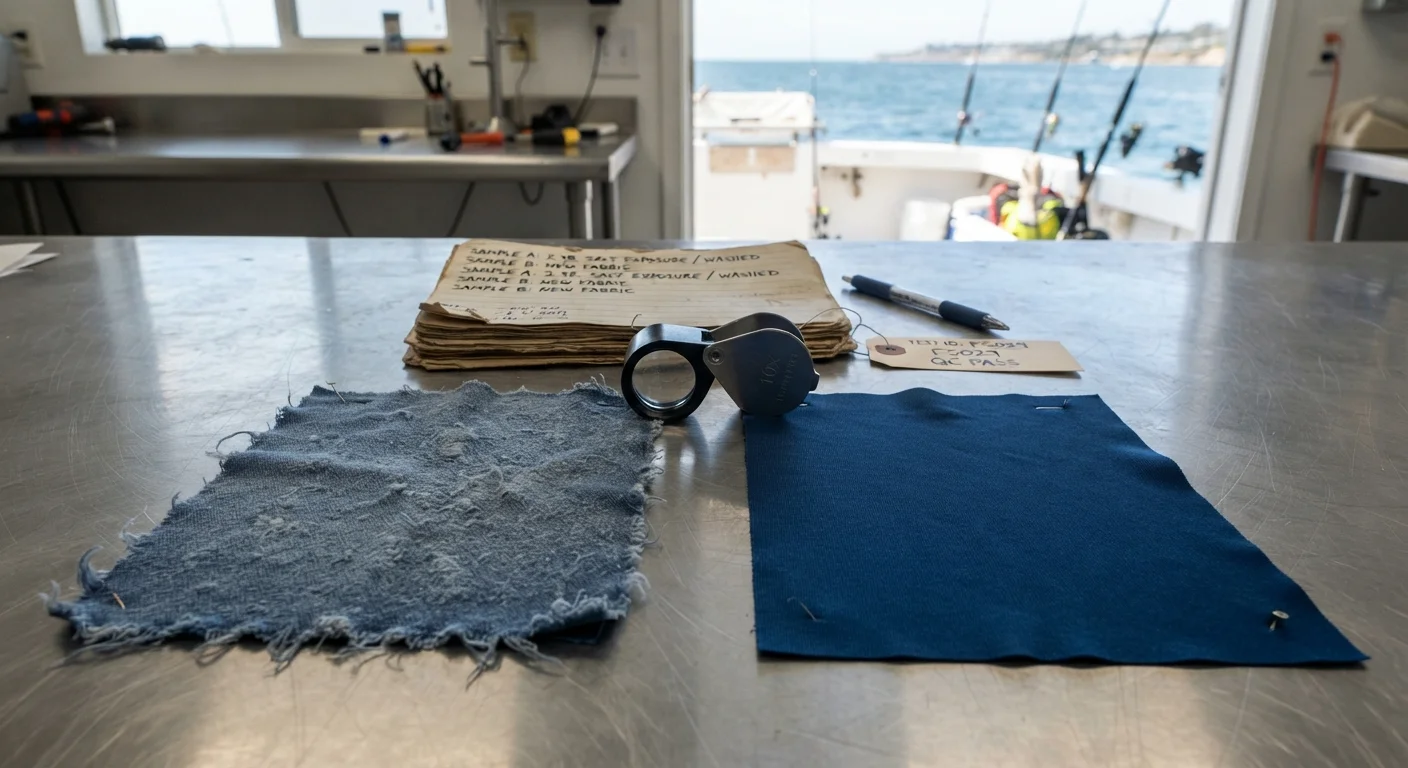
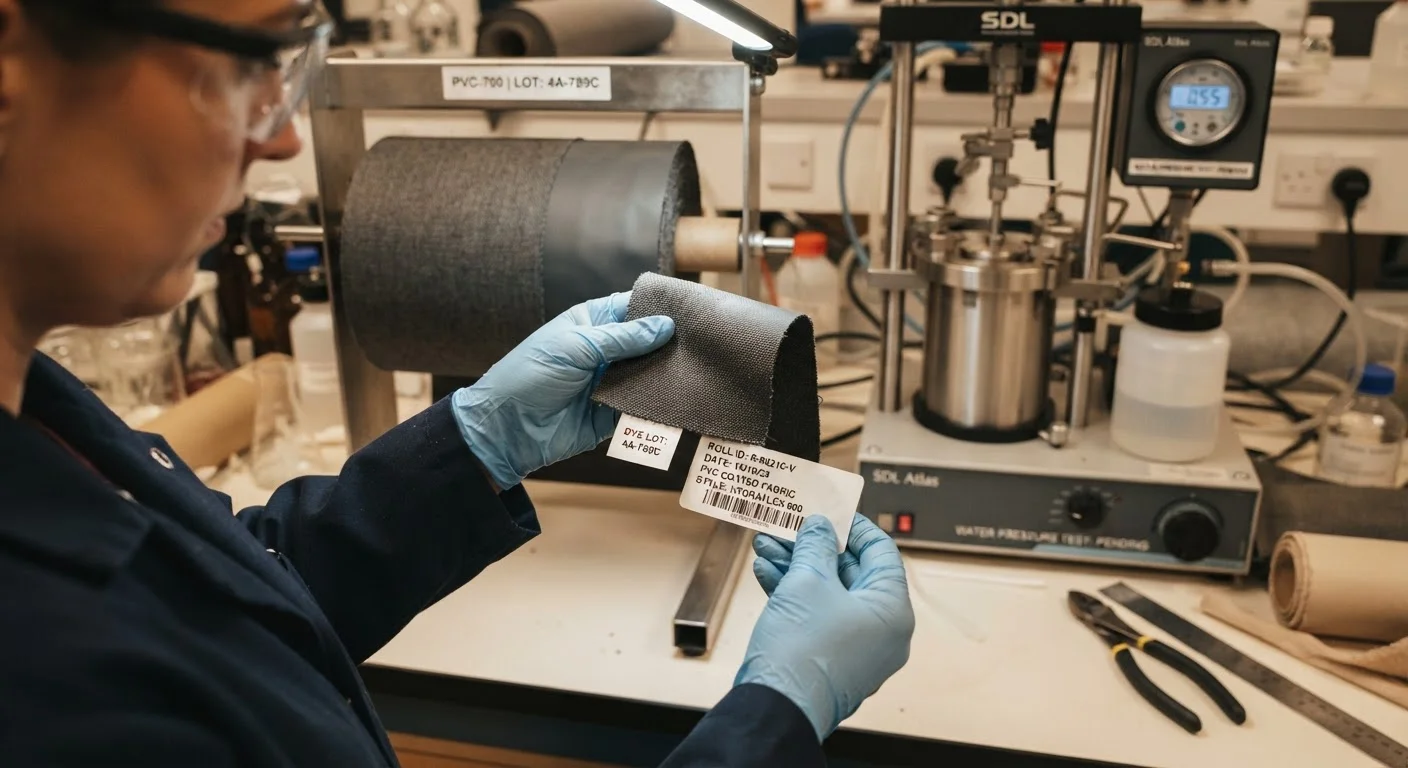
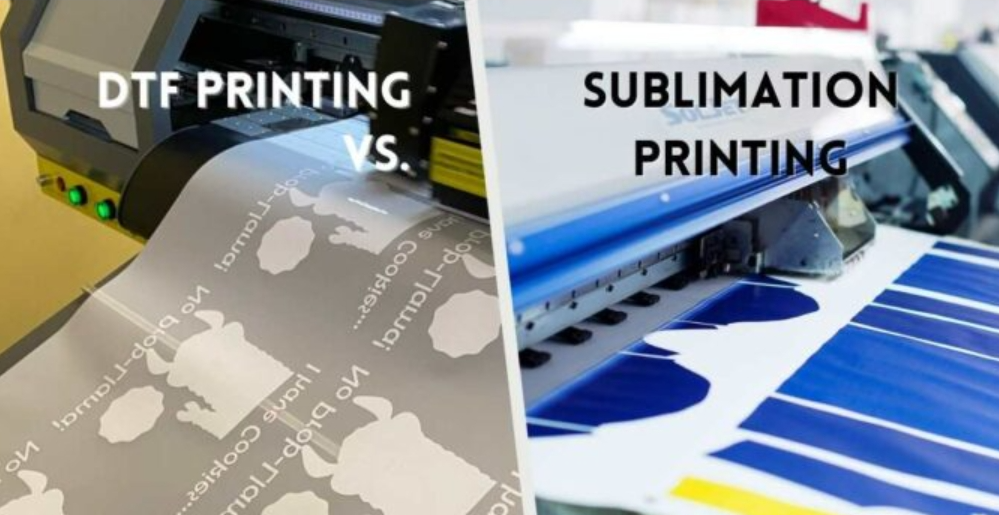
Great fishing apparel is decided at the fabric and print stage. These guides break down how UPF50+ protection is engineered into the yarn (and verified by AATCC 183 testing), how bamboo, polyester and nylon blends trade off cooling, stretch and durability, and how sublimation, DTF and screen printing differ on cost, feel and how long the graphic survives salt and sun. It's the technical layer most buyers skip — and the one that separates gear that lasts from gear that fades.

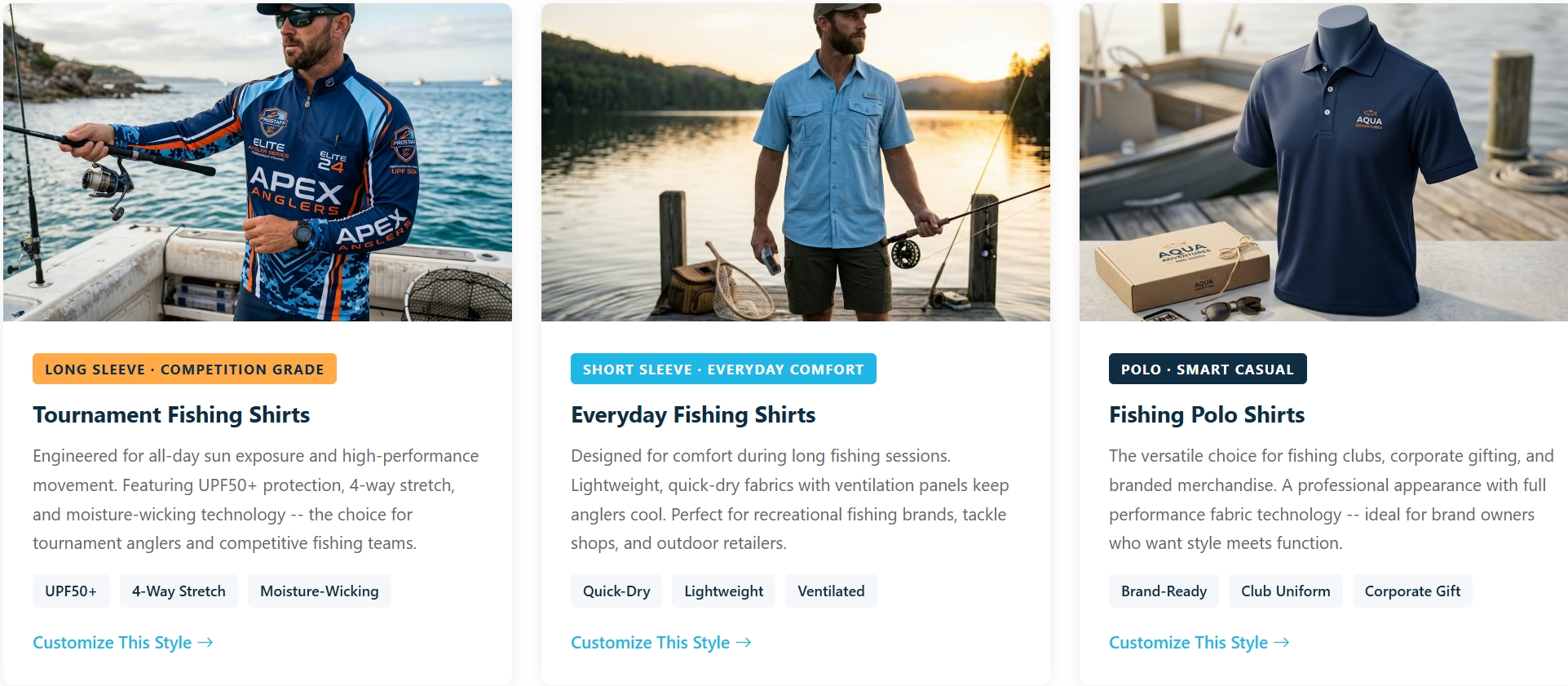
Want it applied to product? Our custom fishing shirts use verified UPF50+ fabrics, and our sun protection & cooling fabric technology page details the mill specs behind them.

What You'll Learn

Fabric and decoration, explained from the mill up.

UPF & Testing

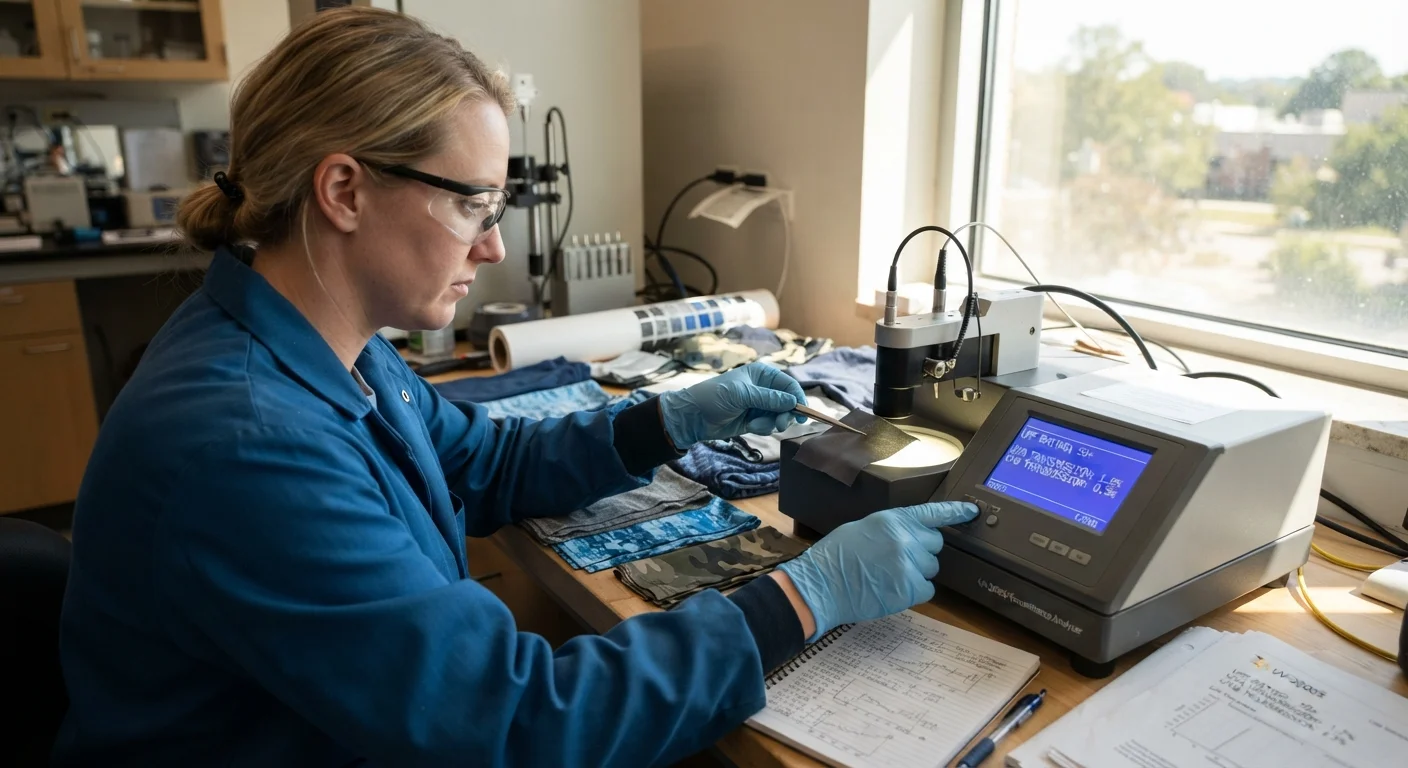
How UPF50+ is engineered and verified through AATCC 183 lab testing.

Fabric Blends

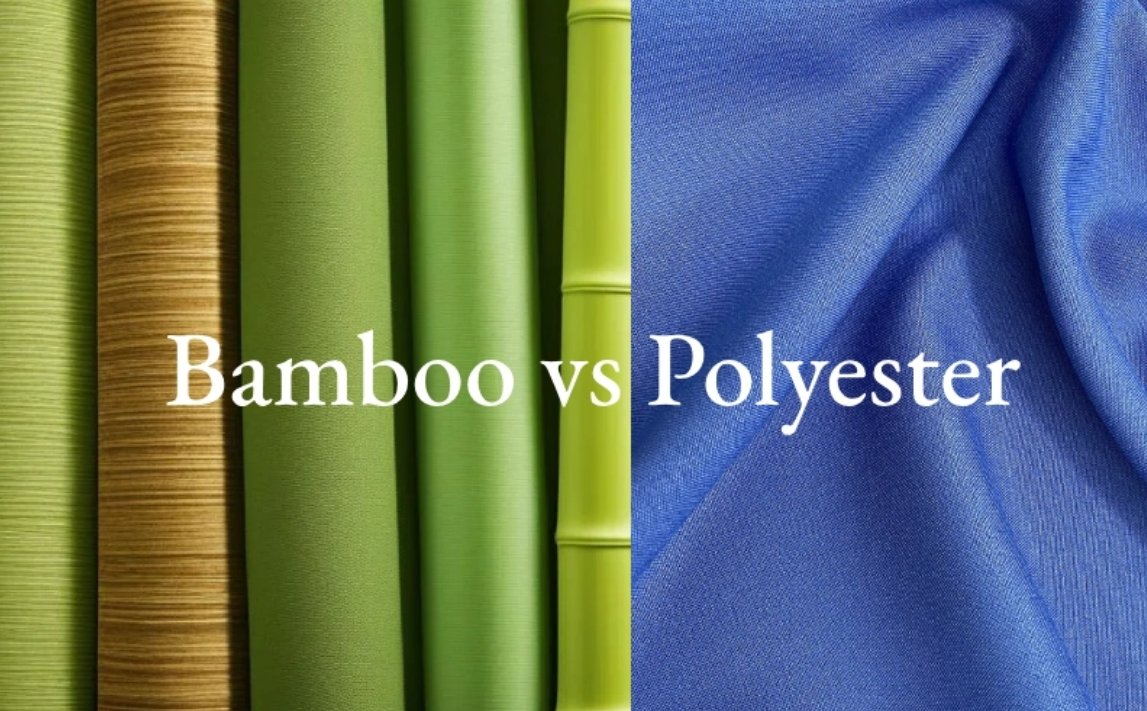
Bamboo, polyester and nylon compared on cooling, stretch and durability.

Printing Methods

Sublimation vs DTF vs screen print on cost, hand-feel and longevity.

Print Process

Heat-press settings and why they decide color fastness and durability.

Need a specific fabric or print spec?

We source verified UPF50+, quick-dry and blended fabrics and run sublimation, DTF and embroidery in-house — send us your spec for a quote.

Get Factory Quote

Frequently Asked Questions

What is AATCC 183 and why does it matter?

It's the standard lab test that measures a fabric's ultraviolet protection factor — the only way a UPF50+ claim is actually verified rather than marketed.

Sublimation or DTF for custom fishing shirts?

Sublimation dyes polyester for a permanent, no-feel graphic ideal for all-over designs; DTF suits smaller runs and works on more fabric types. We compare costs by order size.

Which fabric stays coolest in hot weather?

A lightweight, moisture-wicking UPF50+ knit — often a polyester or bamboo blend — moves sweat and blocks UV without trapping heat.