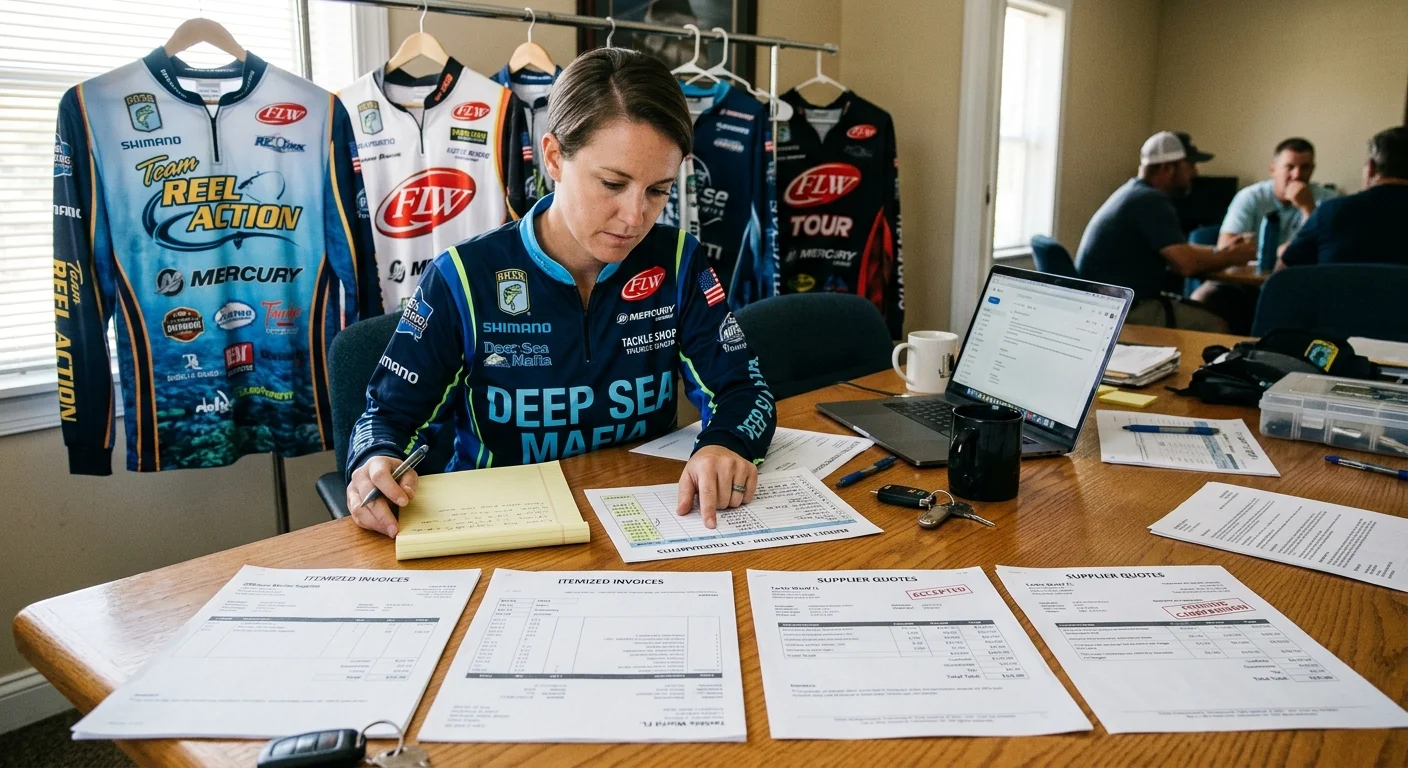
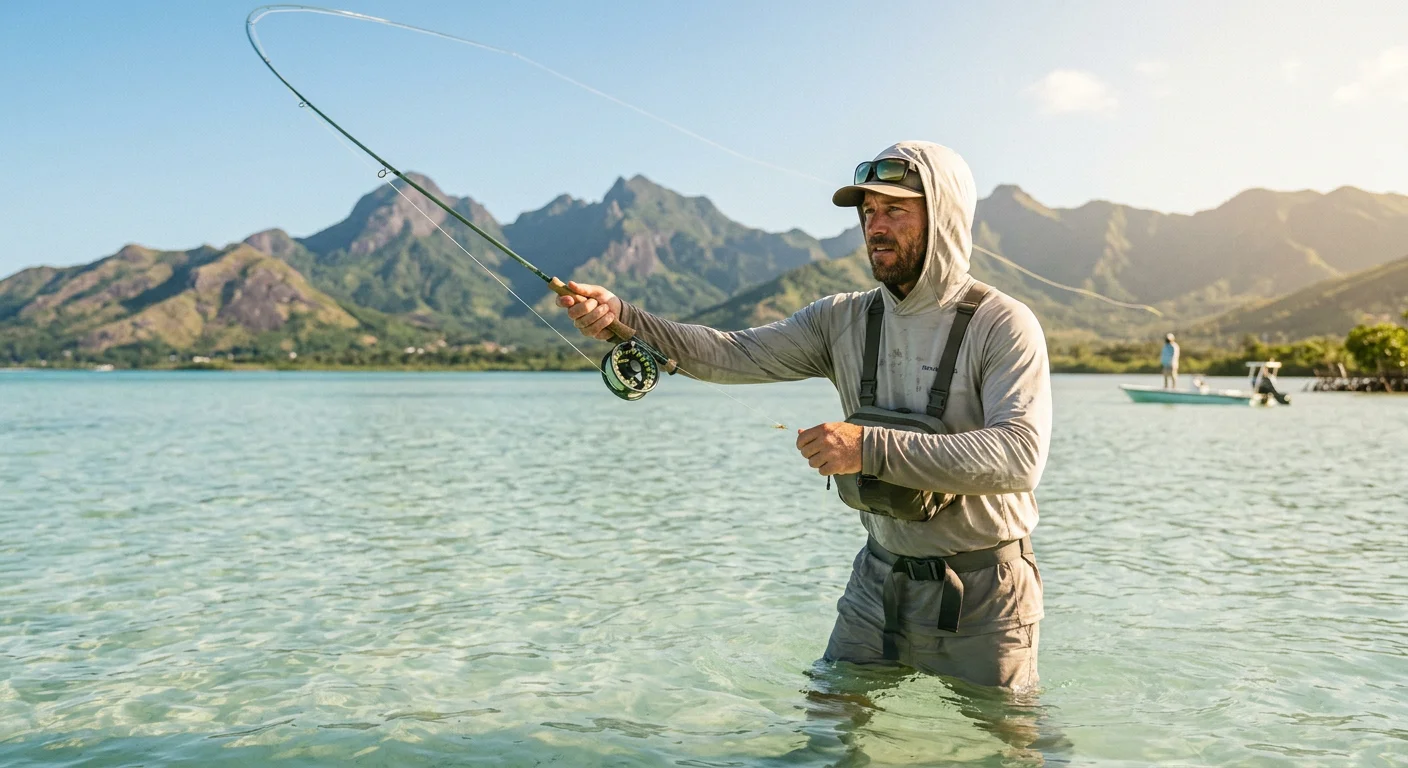
You've seen the word sublimation thrown around on fishing gear websites, tournament team pages, and outdoor apparel brands. But nobody explains what it means for the shirt on your back — six hours into a saltwater tournament, under direct sun.
Is it just a fancier way to print a logo? Or does the technology change how your fishing apparel performs? The answer matters more than you'd think.
Sublimation printing isn't a surface coating. It's a molecular process. That distinction is why sublimation fishing apparel holds up after 50 washes, in salt spray, and under UV exposure that would crack or fade any ordinary heat transfer design.
Buying a single performance fishing apparel shirt? Ordering 50 custom tournament fishing jerseys? Either way, this breakdown gives you the technical clarity and a practical framework to choose the right printing method — and avoid overpaying for the wrong one.
How Sublimation Printing Works on Fishing Apparel
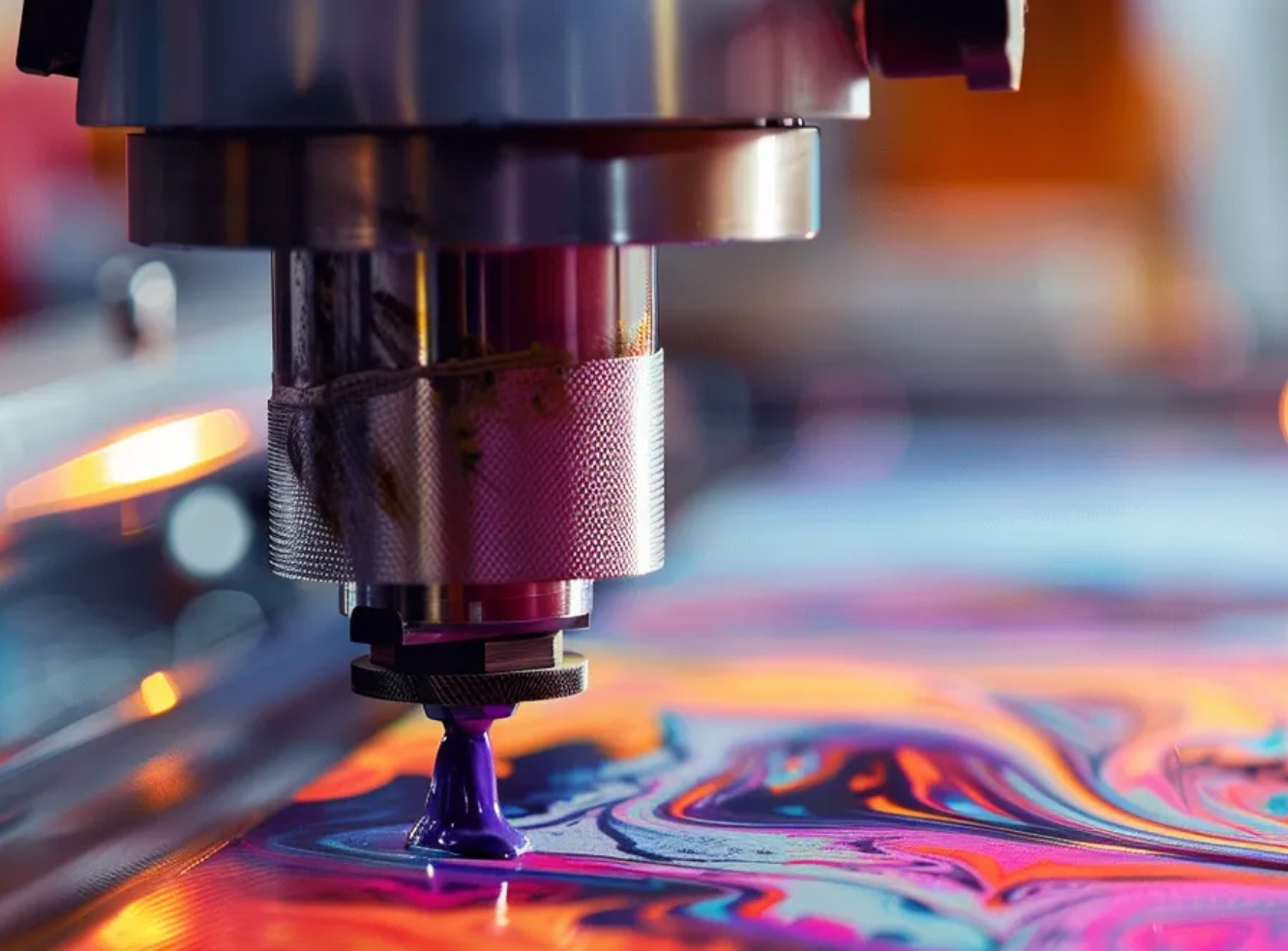
Here's the core physics: sublimation ink skips the liquid phase. Solid ink turns straight into gas under heat and pressure. That gas drives into the polyester fiber at the molecular level. Once it cools, the dye solidifies inside the fabric. Not on top of it. Inside it.
That single difference is what sets dye sublimation apart from every other printing method on the market.
The Four-Step Process
The mechanics are straightforward:
Design to paper — Your artwork gets printed onto transfer paper using sublimation ink
Paper meets fabric — The transfer paper presses against the garment inside a heat press
Heat triggers sublimation — At 385–400°F for 30–45 seconds , the ink turns to gas and drives into the polyester fibers
Cooling locks it in — As the temperature drops, the dye solidifies inside the fiber structure
No adhesive. No surface layer. The print and the fabric become one material.
Why Polyester Is Non-Negotiable
Sublimation ink bonds only with polyester molecules. This isn't a preference — it's chemistry. A 100% polyester fishing shirt produces sharp, rich color. Drop to a 50/50 poly-cotton blend and you lose vibrancy fast. Long-term durability takes a hit too. For moisture-wicking fishing apparel built to survive hundreds of washes, fabric content is the detail most buyers miss.
Two Application Formats for Fishing Shirts
Full dye sublimation cut-and-sew prints graphics and base color together onto premium UV-protective fabric before assembly. You get true all-over print fishing jersey designs — any color, any placement, zero restrictions.
Spot dye sublimation targets specific panels on pre-made garments: chest, back, sleeve strips. It works well on light-colored shirts, but there's one hard limit — sublimation ink can't print white. So dark base fabrics are off the table.
The method you pick shapes everything: design flexibility, color range, and how well your custom tournament fishing shirts hold up after a full saltwater season.
Why Sublimation Printing Matters for Fishing Apparel
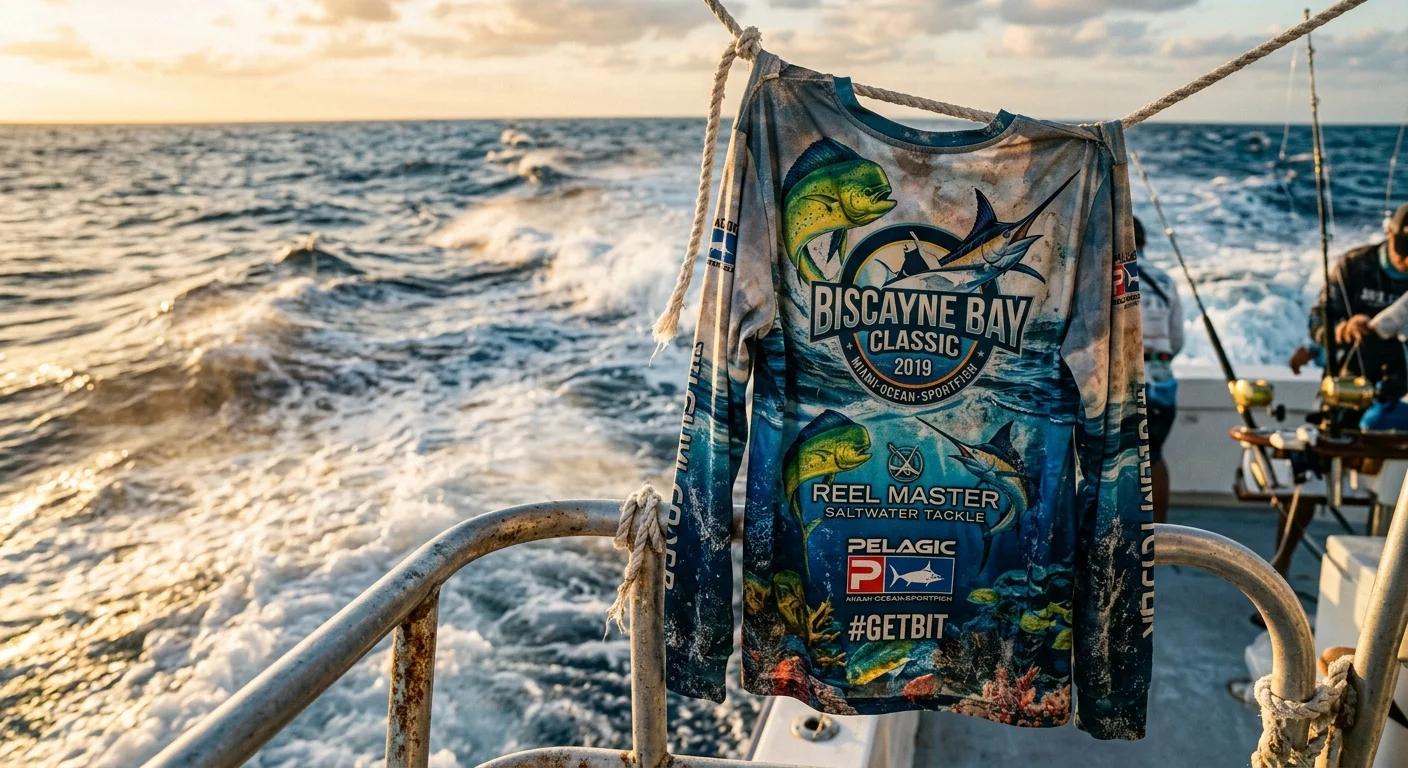
Fishing apparel doesn't get a controlled environment. It gets salt spray, eight-hour sun exposure, repeated soaking, and a washing machine every other day. Most printing technologies fail that test — colors dull after a season, prints crack at the flex points, and breathability disappears under a stiff ink layer you can feel against your skin.
Sublimation sidesteps every one of those failure points. Here's why it matters for fishing — not outdoor apparel in general, but fishing.
The Breathability Factor Is Different Here
Other industries care about how a shirt looks. Fishing demands how it performs — wet, hot, and worn since 5 a.m.
Standard screen printing deposits ink on top of the fabric surface. On a full-back design, that creates a near-solid layer across the fabric. Airflow drops. Moisture gets trapped. You know the feeling — that sticky, heavy sensation across your shoulders when the sun hits hard. It's not just uncomfortable. It slows you down.
Sublimation ink fuses into the polyester fiber rather than sitting on top of it. So the fabric pores stay open . Air moves through the shirt the same way it would through unprinted fabric. Moisture-wicking performance stays intact. On a moisture-wicking fishing apparel shirt, that's the difference between regulating your body temperature and fighting through four hours of heat fatigue.
UV Protection That Holds
A UPF sun protection fishing shirt carries a UPF 30+ rating — enough to block the majority of harmful UV rays during a full day on the water. The detail most buyers miss: that rating belongs to the fabric, not the print.
Screen printing and heat transfer vinyl build thick surface layers. Those layers disrupt the fabric structure over time. Washing degrades both the print and the fabric's UV-blocking ability. Sublimation adds no surface layer to break down. The fabric's UPF rating stays intact wash after wash, season after season — nothing sits on top of the fabric to wear it down.
Durability Under Real Fishing Conditions
Saltwater is corrosive. Sun exposure is relentless. Washing is frequent. Run any surface-applied print through that cycle long enough and the result is predictable:
Cracking at stress points
Fading under UV
Peeling edges after salt exposure
Sublimation produces fade-resistant fishing gear because the ink isn't a layer that can separate — it's part of the fiber itself. Colors stay sharp after 50+ washes under sun and salt exposure that would visibly degrade screen-printed or heat transfer vinyl alternatives. For custom tournament fishing shirts worn across a full competitive season, that durability means looking sharp on day one and day fifty.
Fit and Function Under Fishing Gear
One detail that doesn't get much attention: how the shirt performs under equipment. Waders, life jackets, and chest rigs create compression points across the torso. A shirt with surface print thickness adds friction and bulk at those contact areas.
Performance fishing apparel technology built on sublimation cuts that problem out. The print adds zero thickness. The shirt moves freely under gear — no bunching, no friction. That matters when you're rigging tackle or making quick casts through an eight-hour tournament session.
Sublimation vs Other Printing Methods for Fishing Apparel
Four printing technologies compete for space on fishing apparel. One was built — by physics, not marketing — to hold up under real fishing conditions.
Here's the breakdown that matters.
The Core Difference: Inside vs. On Top
Every printing method except sublimation puts ink on top of your fabric. Screen printing, heat transfer vinyl, DTG — they all build a layer. Sublimation doesn't add anything on top. The ink goes into the fiber and bonds there.
That difference drives every performance gap in the table below.
Sublimation | Screen Printing | DTF | DTG | |
|---|---|---|---|---|
Fabric feel | Zero texture | Raised, stiff | Lightly raised | Moderate texture |
Breathability | Unaffected | Reduced on full coverage | Reduced vs. sublimation | Reduced |
Fade/crack resistance | Permanent | Cracks after repeated washing | Moderate | Moderate |
Best fabric | 100% polyester | Cotton, natural fibers | Any fabric | Cotton/blends |
Design complexity | All-over, seam-to-seam | Bold logos, limited color | Multi-color capable | Photo-realistic on cotton |
Small quantity cost | Cost-effective | High setup cost | Moderate | Moderate |
Dark fabric compatibility | Not suitable | Yes | Yes | Yes |
Where Screen Printing Falls Apart on Fishing Shirts
Screen printing is the go-to for branded apparel — and it works fine on cotton. Put it on a polyester fishing shirt , and the story changes fast.
A full-back screen print creates a near-solid ink barrier across the fabric. Salt Strong's team ran into this exact problem while testing shirt technologies. Layered ink slows drying speed, traps heat against your back, and turns a moisture-wicking fishing apparel shirt into something it was never meant to be. Wash it repeatedly — salt water, detergent, sun exposure — and that surface layer starts cracking at the flex points. Shoulders first, then chest. The design you paid for begins flaking off by season two.
DTF and DTG: Closer, But Not There
Direct-to-film (DTF) and direct-to-garment (DTG) printing handle dark fabrics — something sublimation can't do. Both are versatile. But on 100% polyester performance fishing shirts , both still put an ink layer on the surface. That layer costs you breathability.
DTG is built for cotton. Use it on performance fishing apparel fabric and the ink sits wrong. Adhesion drops. The moisture-wicking properties the shirt was designed for start breaking down from the first wash.
DTF handles polyester better than DTG. Put it side by side with dye sublimation process results, though, and the hand-feel gap is clear — you can feel the film layer through the shirt. On a hot August morning, six hours into a tournament, that texture difference is hard to ignore.
The Eco Angle Most Buyers Ignore
Sublimation fishing apparel production creates less chemical waste than screen printing. Sublimation ink is non-toxic. The process runs on-demand and cuts out the screen setup waste that batch screen printing leaves behind.
For small custom tournament fishing shirts orders — under 50 pieces — sublimation is the cleaner option and the more cost-efficient one. Screen printing's cost advantage flips at high volume, where setup costs spread across a large unit count.
One technology works with fishing conditions. The rest work despite them.
How to Check Sublimation Print Quality Before You Buy
Most sublimation fishing shirts look identical on a product page. The differences show up six months later — or six hours into a tournament when the print starts lifting at the shoulders.
Knowing what to check before you commit matters. The right purchase holds up for three seasons. The wrong one disappoints by summer's end.
Four Physical Tests You Can Run Right Now
These aren't lab procedures. They're fast, hands-on checks that reveal real quality gaps.
Stretch test first. Pull the fabric to 150% of its original size. Hold it stretched for 30 seconds in multiple directions. A good sublimation print moves with the fabric and returns flat. See cracking, whitening, or surface separation at full stretch? The ink never bonded with the fiber. That shirt will fail at stress points — shoulders under a life jacket, chest under a wader strap.
Run your fingernail across the print. Drag a fingernail across a printed area. On genuine sublimation, you feel nothing — no ridge, no texture, no resistance. The print feels identical to unprinted fabric. Any raised edge or film-like resistance means surface ink, not sublimated dye. That's a heat transfer or DTF product being sold as sublimation.
Check the fabric content label. This one takes three seconds. Sublimation bonds with polyester at the molecular level — nothing else. A label showing less than 90% polyester, or a poly-cotton blend, tells you the print will lose vibrancy fast. It also won't hold up to repeated washing. For moisture-wicking fishing apparel built for hard use, fabric composition is non-negotiable.
Request a wash test sample. Before ordering bulk custom tournament fishing shirts , ask your supplier for a printed sample. Run it through at least five cold-water gentle cycles inside-out, no fabric softener. A quality sublimation fishing apparel print shows less than 10% color change after 20+ washes. Fading or dullness after five cycles points to poor ink quality or incorrect heat press settings during production.
Questions to Ask Your Supplier Before Ordering
Don't assume specifications — confirm them.
What DPI resolution are you printing at? Quality sublimation targets 1200 DPI for sharp gradients and fine details like tournament numbers and sponsor logos. Lower resolution means soft edges on the complex artwork that makes all-over print fishing jerseys worth ordering in the first place.
What are your heat press settings? The correct window is 385–410°F for 40–45 seconds at medium pressure. Fishing apparel suppliers working outside that range — too hot, too fast, or inconsistent pressure — produce prints with color mismatch, bleeding, or adhesion failure.
Are you using OEM sublimation inks of fishing apparel? Third-party inks cause unpredictable color shifts. They also raise the risk of print head clogs, which show up as white spots or streaks across your finished shirts. For fade-resistant fishing gear , ink source matters as much as the process itself.
Can you provide a 10–20 meter sample run before bulk production? Any reputable supplier of polyester fishing shirt printing will say yes without hesitation. Push back on this request? That's a clear warning sign.
The Color Accuracy Check
Hold the finished sample next to your original design file — or better, a printed Pantone reference. A well-executed dye sublimation process delivers around 95% color accuracy. Significant mismatch, unexpected dullness, or gradient banding points to temperature inconsistency during pressing or low-grade ink.
Color accuracy matters beyond how the shirt looks on a rack. For UPF sun protection fishing shirts , the base fabric color interacts with the print. The result affects how the finished garment reads on the water — in full sun, at a distance, under tournament conditions.
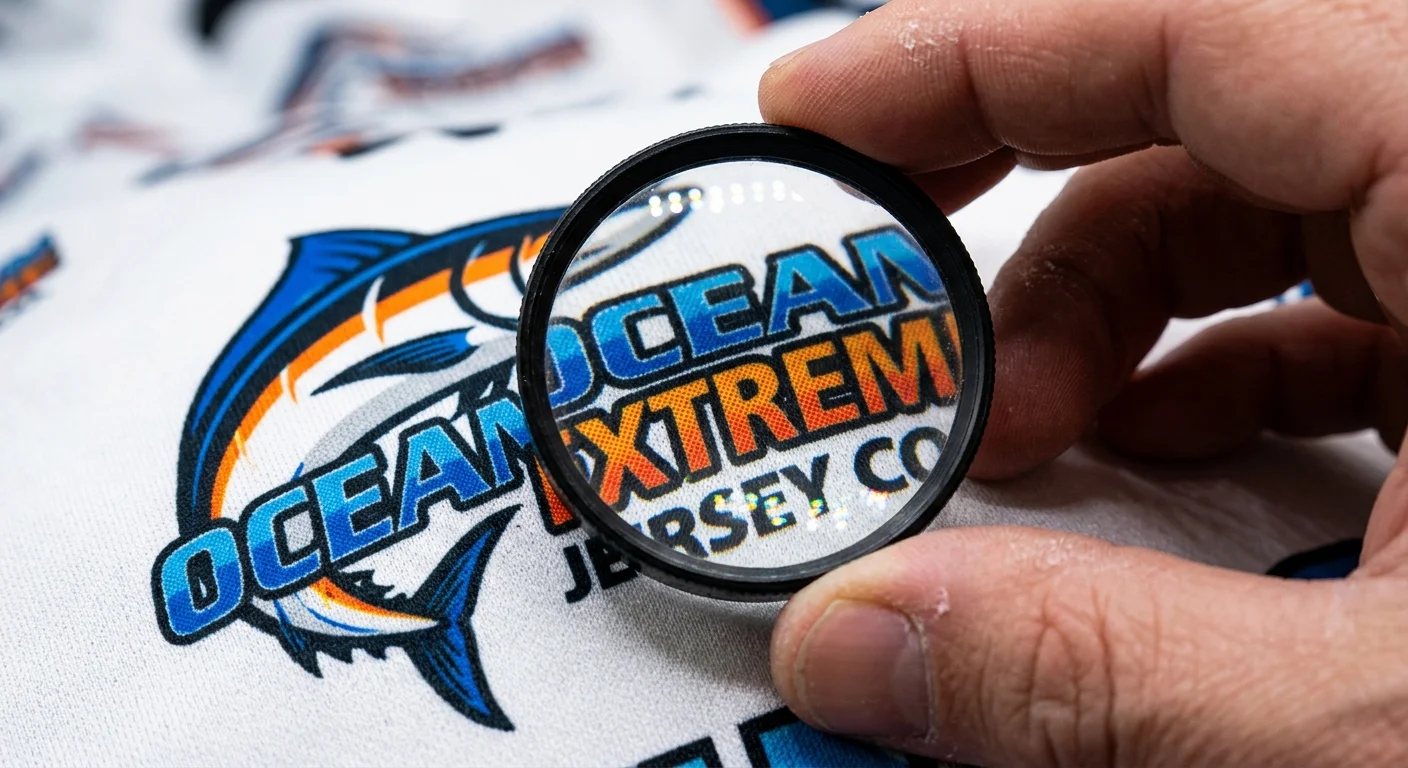
One last check: inspect printed text and logo edges under bright light or a magnifying loupe. Crisp, clean edges with no color bleeding show proper heat control and stable production conditions. Blurred edges or halo effects around fine details mean something went wrong in the press. Those defects get more visible after each wash — not less.
What to Know About Ordering Custom Sublimation Fishing Apparel
Custom sublimation orders of fishing apparel fail for predictable reasons. Most problems are decided before production ever starts.
Getting the details right upfront is the difference between 50 jerseys that look sharp all season and 50 jerseys that disappoint by the third tournament. Here's what to lock down before you place an order.
Fabric and Color Decisions Come First
The minimum order quantity for custom sublimation fishing shirts starts at 10 pieces . That's low enough for a small tournament team and scalable for a charter operation.
Every piece needs to be 100% polyester . Not a blend. Not "mostly poly." The dye bonds with polyester fibers at the molecular level. Natural fibers like cotton reject the ink. You'll see fading after the very first wash.
Base color is the other decision most buyers get wrong. Sublimation ink is transparent — it doesn't print white. That means:
White or light grey/pastel bases produce the brightest, most accurate colors
Black, navy, or any dark fabric doesn't work with sublimation — switch to DTF for those
Base color bleeds into the design — a blue sky element printed on a yellow shirt reads greenish
Pick your base color before you finalize the artwork. The base color shapes the design, not the other way around.
Artwork Specs That Determine Print Quality
Submit files at 300 DPI , sized to actual print dimensions, in RGB color mode . Scaling a 2-inch logo to fill a full back panel creates pixelation. No press setting can fix that. Get the file right before it goes to production.
The Ordering Process
Three steps, in this sequence:
Define the end use — team jersey, charter merch, sponsor tournament kit, boat name apparel
Share your requirements — graphics, team name, sponsor logos, sleeve preference (short or long microfiber UV-protective sleeves)
Confirm with your fishing apparel supplier via call or email before production begins
Don't skip step three. A written confirmation catches color mismatches, size errors, and artwork issues. You'll find those problems before they get pressed into 50 shirts — not after.
Conclusion
Sublimation printing isn't just a manufacturing detail. It's the difference between a fishing shirt that looks sharp on day one and still performs on day 500.
The chemistry is simple: ink becomes gas, gas becomes part of the fiber. No surface coating to crack. No layer to peel. No blocked pores trapping heat and sweat. Serious hours on the water mean relentless UV exposure, saltwater spray, and back-to-back tournament days. That difference matters far more than any spec sheet shows.
Now you have the full picture. You know how the process works. You know how it compares to every alternative. You know what to check before handing over your money or placing a bulk order.
Your next move is simple. Grab a shirt, run the stretch test, check the fiber content label. Not 100% polyester with dye-sublimated ink? You already know what you're settling for.
Don't settle.