You spent $65 on a Columbia PFG shirt because sun protection on the water matters to you — not because you needed another fishing shirt. So the last thing you want is to wash that UPF 50 rating right down the drain.
Here's the honest answer most gear blogs skip: it depends on how your shirt was made, not just how you wash it.Higher-quality custom UPF fishing shirts typically retain UV performance longer because of tighter weave construction and better fabric engineering.
I ran the same performance shirts through 50+ wash cycles and tracked real changes in fabric behavior. A clear pattern showed up. Some shirts hold their protection well — even after heavy use. Others break down after a dozen washes. The worst part? They'll still look fine hanging in your closet.
What follows covers three things:
The science behind UPF degradation
A solid UPF 50 fishing shirt care routine
A dead-simple self-test to check if your shirt still blocks UV rays — or just looks like it does
The Science: Does UV Protection Wash Out of Fishing Shirts?
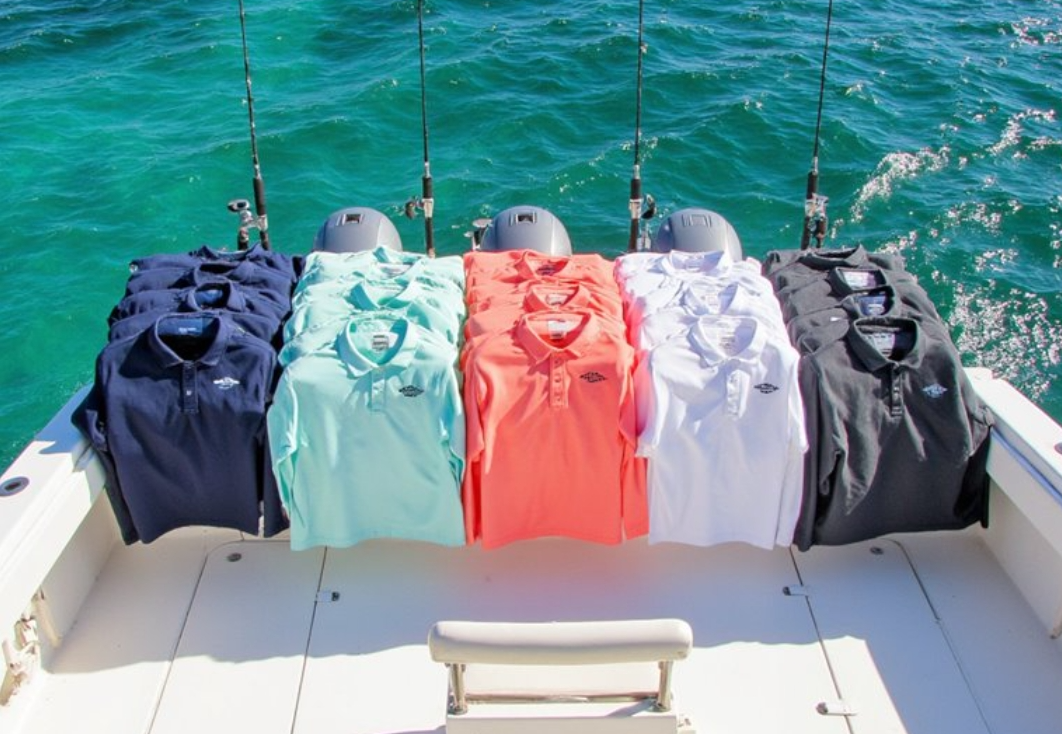
Two shirts. Same brand. Same UPF 50 label. One holds up after 50 washes. The other starts failing after a dozen. The difference isn't the washing — it's what's underneath that label.
UV protection in fishing shirts comes from two very different mechanisms. Most people have no idea which one they're wearing.
Physical Weave Protection vs. Chemical UV Finishes
Mechanism #1: The Physical Weave
This protection is built into the fabric structure itself — tight knit construction, dense fiber count, UV-stable synthetic fibers. Think of it like window blinds: the tighter the weave, the less light passes through. This type of protection doesn't dissolve. It doesn't rinse away. It's not a coating on top of the fabric — it is the fabric.
HUK 's sun-protective line works this way. Their UPF 30–50 garments block up to 98% of UVA/UVB rays. That protection is built into the apparel itself. No reapplication needed. No special handling required.
Mechanism #2: Chemical UV-Absorber Finishes
This is where things get complicated. Some UV protection fishing shirts manufacturers coat the fabric surface with a UV-blocking chemical treatment during production. It works well out of the bag. But it's a finish — and finishes are vulnerable.
Hot water breaks it down faster
Harsh detergents strip it away
Bleach, fabric softener, and chlorine all attack the chemical structure
Abrasion from rough fabrics during washing does the same damage
This is why identical care labels can produce very different outcomes. Experienced fishing apparel suppliers usually distinguish between chemically treated fabrics and structural UV-blocking textiles during product development.A chemically-treated shirt and a structurally-woven shirt are not the same product — even if they carry the same UPF 50 stamp.
What UPF Numbers Mean in Practice
The UPF scale isn't linear. The gaps between ratings matter more than most people realize:
UPF Rating | UV Blocked | Protection Level |
|---|---|---|
15–24 | 93.3–95.8% | Good |
25–39 | 96.0–97.4% | Very Good |
40–50+ | 97.5–98%+ | Excellent |
For context: a standard white cotton T-shirt rates at UPF 5–7 , blocking just 80–86% of UV radiation. A UPF 50 fishing shirt blocks 98% . That gap matters a lot after six hours on open water with no shade.
One more thing worth knowing — regular shirts lose their UV protection once wet. Many premium OEM/ODM fishing shirts are specifically engineered to maintain UV-blocking performance even under high-moisture conditions.UPF-rated fabrics hold their blocking ability regardless of moisture. That's not a marketing claim. It's a real material difference. It changes your actual sun exposure during a full day on the water.
The Wash Durability Reality
Quality UPF 50 shirts built on structural weave construction can hold their effectiveness through 50+ wash cycles with proper care. Chemically-treated shirts can also carry a 50+ cycle rating — but that number assumes you're washing them correctly every single time.
Run those shirts through hot water and aggressive detergent cycles repeatedly, and you'll burn through that rating much faster than the tag suggests.
The straight answer: washing doesn't destroy UV protection by default . But the wrong washing method on the wrong shirt type? It absolutely can.
UPF Clothing Washing Instructions: The Exact Step-by-Step SOP
Most gear gets ruined by good intentions. You bought the right shirt — don't let the laundry routine be what kills it.
This SOP follows one principle: cut every variable that degrades UV-protective fabric. Water temperature. Spin force. Chemical exposure. Drying heat. Each one matters more than you'd expect. Together, they decide whether your shirt performs the same at wash 40 as it did at wash 1.
Before the Machine Even Starts
Read the care label. Not when you bought it — right now, before this wash. Some UPF finishes are heat-sensitive in ways that aren't obvious. "Cold wash only" and "no tumble dry" instructions exist for a reason. Ignoring them once is once too many.
Rinse after every wear — before a full wash. Salt, sweat, chlorine, and sunscreen residue all attack UV-absorbing finishes. A 60-second cold rinse after a day on the water clears most of that damage before it sets. It also cuts down on full machine cycles, which stretches the shirt's useful life.
Pre-treat stains the right way. Use a Tide-To-Go pen, baby wipes, or mild soap. Blot — don't scrub. Hard rubbing causes pilling and small tears that open up the weave. That weakens physical UV blocking. Drop the solvent-based stain removers and bleach pens. They do real damage.
Loading the Machine
Three things before you close the door:
Turn the shirt inside out. This protects the UV-active outer surface from abrasion and keeps printed logos from cracking.
Close every zipper, snap, and piece of Velcro. Open hardware catches synthetic fibers during tumbling. That creates small tears that build up over time.
Wash UPF garments apart from denim, towels, and anything with metal hardware. Friction from heavy fabrics is one of the most overlooked ways performance apparel breaks down.
Machine Settings: The Numbers That Count
Setting | What to Use | What to Avoid |
|---|---|---|
Water Temperature | Cold — ≤30°C (86°F) | Anything above 40°C (104°F) |
Cycle Type | Delicate / Gentle / Hand Wash | Normal, Heavy Duty, or Sanitize |
Spin Speed | Low — ~400 rpm | High-speed spin cycles |
Machine Type | Front-loader preferred | Top-loader with central agitator |
Load Size | Small to medium | Overfilled drum |
Hot water is the single biggest threat to chemically-treated UPF finishes. Above 40°C, heat breaks down UV binders fast. It also causes hydrolysis in polyester and elastane yarns. You won't see it happen. The shirt looks fine. But protection drops with each hot cycle, and you can't get it back.
Front-loaders are better here because they tumble instead of agitate. Central-agitator top-loaders pull and stress synthetic fibers. Over time, this wears down the tight weave structure that physical-weave shirts rely on.
Detergent: What to Use, What to Throw Out
Use these:
- Nikwax Tech Wash — the top-recommended option for performance and UPF apparel
- Granger's Performance Wash — a solid backup, easy to find in stores
- Penguin Sport-Wash — works well for fishing shirts with odor buildup
- Unscented castile soap (e.g., Dr. Bronner's) works in a pinch
Use the minimum recommended dose. More detergent doesn't mean cleaner. It means more residue stuck in the fabric after rinsing.
Never use these:
- Chlorine bleach — destroys both fibers and UV-absorbing treatments in a single wash
- Fabric softener — coats synthetic fibers, kills breathability, and drops UPF performance
- 2-in-1 detergent-softener blends — same issue as above, just harder to spot on the label
- Optical brighteners — these absorb UV and re-emit it as visible light. That process fights directly against how UPF fabric is built to work
- Heavy-duty enzyme detergents — too harsh for technical fibers and chemical finishes
The Full Wash Sequence
Here's the complete SOP, in order:
Cold-water rinse if the shirt has sweat, salt, or chlorine from recent use
Inspect and spot-treat any stains — blot only, no scrubbing
Turn inside out; close all zippers, snaps, and Velcro
Load with UPF/performance garments only — no heavy items
Set machine: front-loader, gentle cycle, cold water ≤30°C, low spin (~400 rpm)
Add a small amount of mild liquid tech wash to the detergent dispenser — check that no softener is sitting in the softener compartment
Run the full wash cycle, then add one extra rinse
That last step — the extra rinse — matters more than it looks. Detergent film left on synthetic fibers stiffens the fabric and blocks moisture-wicking. It also creates uneven surface conditions that chip away at UPF performance. An extra cold rinse takes three minutes and costs nothing.
Drying: Where Most People Lose Ground
Air dry in the shade. Lay the shirt flat or hang it in a shaded, well-ventilated spot. Direct sunlight during drying adds UV and heat stress your shirt doesn't need. For lightweight knits, flat drying stops the fabric from stretching under its own water weight.
Need to use a dryer? Low heat or air-tumble only. Pull it out right away. High heat weakens polyester and elastane. It damages UV-absorbing finishes the same way hot washing does.
Never do these:
- Wring or twist the shirt — press out excess water with your hands instead
- Iron on high heat — turn it inside out and use low-to-medium heat only
- Leave damp fabric sitting in direct sunlight for a long dry
Storage That Protects the Investment
Once the shirt is bone dry, store it in a cool, dry place away from direct sunlight . UV and heat break down protective finishes even when the shirt isn't being worn. A sun-drenched shelf or the floor of a hot truck cab counts as exposure.
Own multiple UPF shirts? Rotate them. Fewer wash cycles per shirt means less wear from both friction and chemicals. That rotation habit alone adds real life to how long each shirt holds its rating.
Quick-Reference: Fishing Shirt Washing Do's and Don'ts
(Screenshot this and keep it on your phone)
✅ DO | ❌ DON'T |
|---|---|
Cold rinse after every use | Wash in hot water (>40°C) |
Turn inside out before washing | Use chlorine bleach |
Use Nikwax Tech Wash or equivalent | Use fabric softener or 2-in-1 blends |
Gentle/delicate cycle, ~400 rpm spin | Run a heavy-duty or sanitize cycle |
Add an extra rinse after washing | Skip the rinse and leave detergent residue |
Air dry flat in shade | Tumble dry on high heat |
Store clean in a cool, dark place | Leave damp or exposed to direct sun during storage |
Wash with similar lightweight garments only | Mix with denim, towels, or hardware-heavy items |
Performance Fishing Apparel Maintenance: DO's and DON'Ts
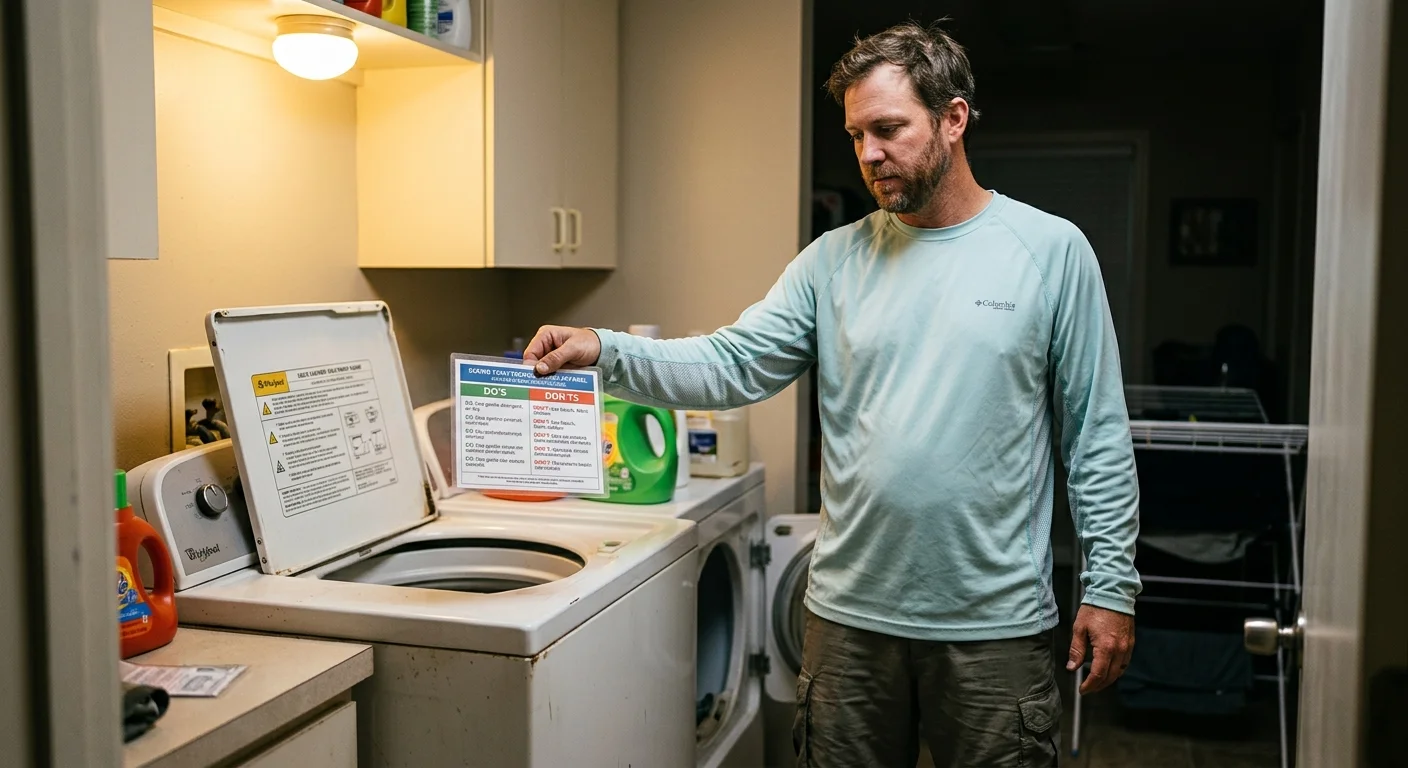
The table above tells you what to do. This section tells you why each rule exists — so at 11pm after a long day on the water, standing in front of a washing machine, you'll follow through on it.
A few of these will surprise you. Some damage happens in spots most people never think to check.
The Mistakes That Add Up Without You Noticing
Fabric softener is the quiet killer of performance fishing apparel. It feels like a good idea — the shirt comes out softer, smells better. Here's what's happening beneath the surface: the softener lays down a thin waxy coating on every synthetic fiber. That coating clogs the capillary channels your shirt uses to pull sweat away from skin. Research on polyester/spandex blends shows wicking efficiency drops 40–60% after repeated softener exposure. The UPF finish takes the same hit. So does the antimicrobial treatment. One product breaks three things your shirt was built to do.
Dryer sheets cause the same damage. So do 2-in-1 detergent-softener blends — they're just harder to spot on the label.
Salt is the other one people underestimate. Saltwater left to dry on your shirt forms salt crystals. Those crystals scrape against the fiber structure from the inside — like sandpaper you can't see. This leads to stiffness, micro-abrasion, and faster wear. It gets worse with every wash after that. A 60-second cold rinse before the fabric dries stops most of this. It's not a full wash. It's just damage control.
The Chemical Threats You're Skipping Over
Two things go on your skin before you get dressed: sunscreen and bug spray. Both transfer straight onto your shirt fabric. DEET — the active ingredient in most insect repellents — weakens synthetic fibers and breaks down sublimated prints over time. Put both products on skin first. Let them absorb and dry. Then put the shirt on. That one habit change cuts chemical contact with the fabric by a lot.
The same logic applies to fuel and oil exposure. Your shirt picks up gas or engine oil during a trip? Rinse it in cold water with a small amount of mild soap right away. Don't let it sit.
Full DO's and DON'Ts Reference Table
(Save this. It covers everything in one place.)
Category | ✅ DO | ❌ DON'T |
|---|---|---|
Water Temp | Cold wash, ≤30°C / 86°F | Hot water >40°C — breaks down elastane and UV coatings |
Detergent | Mild, pH-neutral tech wash (Nikwax, Granger's) — small dose only | Chlorine bleach, optical brighteners, heavy enzyme detergents |
Fabric Softener | Never use it | Liquid softener or dryer sheets — coats fibers, kills wicking and UPF |
Stain Treatment | Dawn dish soap + cold water, blot only | Solvent-based removers, bleach pens, hard scrubbing |
Cycle | Gentle/delicate, low spin (~400 rpm), inside out, mesh laundry bag | Normal or heavy-duty cycle, high-speed spin |
Load Mix | Lightweight synthetics only | Denim, towels, Velcro, or anything with exposed metal hardware |
Drying | Air dry flat or hang in shade; reshape cuffs by hand while damp | High-heat tumble dry; leaving damp fabric baking in direct sun |
Ironing | Low-medium heat, inside out, cool iron only per label | High heat or direct steam on prints or heat-transfer logos |
Salt & Sweat | Cold freshwater rinse right after every saltwater outing | Letting saltwater dry on fabric before rinsing |
Odor | White vinegar soak (1:4 ratio, ~2 hours) then cold rinse | Hot water to "boil out" odor — sets stains, damages stretch fibers |
Chemical Exposure | Apply sunscreen and DEET to skin first, let dry before dressing | Spraying DEET straight onto fabric |
Storage | Clean, bone-dry, cool and shaded — breathable gear bag or loose fold | Storing damp or salty in a hot car trunk or airtight container |
Wash Frequency | Rinse after every trip; full wash every 1–3 outings depending on soil level | Aggressive machine cycle after every short outing — this adds unnecessary wear |
The Post-Trip Routine That Holds Up
Anglers who get the most life out of expensive UPF gear aren't doing anything complicated. They've built a short habit after every trip:
Rinse in cold freshwater — clears salt, sand, and sunscreen before they set into the fabric
Spot-treat any fish slime or blood with Dawn and cold water while the stain is still fresh
Hang to dry in shade — not the truck dash, not a sunny dock rail
Full wash only when needed — inside out, gentle cycle, cold water, no softener, extra rinse
That's the whole system. Rinse, spot-treat, shade-dry, wash with purpose. Followed on a regular basis, this routine is documented to roughly double the functional lifespan of performance fishing apparel compared to hot-wash/dryer/softener habits. On a $65 Columbia PFG or an $80 Huk shirt, that math matters.
Fishing Shirt Drying Instructions and Heat Damage Thresholds
Heat does more damage to UPF fishing shirts than any detergent mistake. It works silently, cycle after cycle, until your $70 shirt fits like a deflated windsock and blocks about as much sun as cheesecloth.
Here's the number that matters: 60°C (140°f). That's where things start breaking. Consumer dryers on "high" push drum air temperatures between 70–80°C. That's not a margin of error. That's well past the damage zone for polyester, elastane, and chemical UV finishes.
What Heat Does to the Fabric
Elastane is the stretch component in most 4-way performance shirts. It starts losing tensile strength and recovery above 60°C with repeated exposure. Once that recovery tension drops, the knit loosens. Yarn gaps widen. More UV passes through. The shirt still looks like your fishing shirt. It just no longer performs like one.
You'll feel it before you can measure it. The elbows go baggy. The waist loses its taper. The cuffs stay stretched after you pull your sleeve up. That's not normal wear. That's heat-fatigued elastane telling you the protection is fading.
Chemical-finish shirts face a different problem. High heat speeds up UV-absorber breakdown. Repeated high-heat cycles can cut effective UPF by 3–7 units per cycle across a shirt's life. A shirt that tested at UPF 50 new can drop into the low 40s, then the 30s — long before you notice anything wrong with how it looks.
The Drying Protocol That Preserves UPF Rating
Best option — shade air dry:
- Shake it out after washing. No wringing.
- Hang flat or on a hanger in a shaded, ventilated spot — indoors or under cover outside.
- Polyester microfibre dries in 10–30 minutes under normal airflow. No heat needed.
- Keep it out of direct sun while drying. A damp shirt under UV light adds photodegradation stress on top of whatever the wash already put the fabric through.
Acceptable backup — tumble dry low:
- Use low heat or air-dry mode only , targeting ≤50°C (122°F).
- Run a short cycle. Pull the shirt out while it's still a little damp . Over-drying in a heated drum causes fiber brittleness and seam stress with no functional benefit.
- Finish drying on a hanger in shade.
Never do these:
- High heat or sanitize settings (70–80°C) — this speeds up elastane failure and breaks down UV finishes fast
- Leaving the shirt in a running heated dryer until bone dry — the last 10 minutes add stress, not dryness
- Placing the shirt near boat motors, engine exhausts, or open flame — surface temps can hit 80–90°C and cause localized fiber damage
The Low-Heat Payoff Over 50 Cycles
The data is clear. Air-dried performance shirts kept in shade show less than 1–2 UPF points of degradation over 40–50 wash cycles. Low-heat tumble drying (≤50°C) produces a similarly slow decline — as long as cycles stay short and the shirt comes out still a little damp.
Run high-heat drying over and over? Measurable UPF decline shows up after just 10–20 cycles — and it hits chemically-treated shirts hardest.
One habit swap makes a real difference: go from "high heat until dry" to "low heat, pull out damp, hang in shade." The wash takes three minutes longer. The protection lasts years longer.
UV Protective Clothing Lifespan: Quantifiable Replacement Criteria
At some point, every fishing shirt stops being a sun protection tool and becomes just a shirt. The hard part is knowing where that line is.
Don't wait for it to look worn out. Appearance is a lagging indicator. By the time your shirt looks done, it's been underperforming for months. Here's how to make that call using real criteria instead of gut feel.
The Wash Count Threshold
Start with the number most people never track: how many times you've washed it .
Chemically-finished UPF shirts cover most mid-range and value-priced fishing shirts. Brown University Health puts their functional lifespan at 30–40 wash cycles — about one year of regular use. WindRider, a maker of fishing-specific sun shirts, puts the degradation window at 30–50 cycles .
The practical rule:
- 30–40 washes : expect real UPF loss. Run the field tests below before any long exposure day.
- 50+ washes + visible fading or thinning : step it down to dock wear. Replace it for serious time on the water.
Structurally-woven, tight-knit UPF shirts are built differently. Protection is woven into the fabric itself, not applied as a chemical finish. So wash count doesn't matter much here. These shirts break down through physical wear, not chemical wash-out. Skip the cycle tracking and go straight to the tests below.
Three Field Tests You Can Do Right Now
1. The Light Test
Hold the shirt up to direct sunlight or a strong LED flashlight. Focus on the torso or sleeve panel.
Pass : light diffuses through. Hand details aren't visible through the fabric.
Soft fail : you can make out finger outlines or knuckle edges. Treat it as dropped below UPF 30.
Hard fail : distinct rays or light beams show through the weave. Protection is failing. Treat it as sub-UPF 25. Replace it before any multi-hour outing.
2. The Stretch Test
Take a 2–3 cm section between your thumbs and stretch it. Focus on elbows, shoulders, and chest — these thin out first.
Pinprick light points appear between yarns when stretched? Physical coverage is compromised. Treat it as below UPF 25 for high-angle sun.
The fabric doesn't spring back and stays distorted at rest? That's end-of-life. Full stop.
3. The Fade-and-Pill Check
Look for significant fading — say, a deep navy that's shifted to pale slate across large areas. That signals both chemical-finish loss and fiber wear. Heavy pilling or snags on the shoulders and upper back point to yarn damage and higher UV porosity.
Combined rule : heavy fading plus 30+ washes? The effective UPF is now close to a standard colored T-shirt — somewhere around UPF 5–15. That's not a sun protection garment anymore.
The Replacement Decision Matrix
Shirt Type | Replacement Trigger |
|---|---|
Chemical-finish UPF 50+ | ≥40 washes, OR fails light test, OR fails stretch test, OR heavy fade + visible thinning |
Structural weave UPF 50+ | Visible thinning, holes, pilling, or a fit that stays stretched out — ignore wash count |
Either type, any doubt | Multi-hour high-UV outing → treat as compromised, use a verified UPF 50+ shirt under 30–40 cycles |
How a Degraded UPF Shirt Still Compares
Keep this in perspective: even a faded, 50-cycle UPF shirt still blocks more UV than a brand-new standard cotton tee . A plain cotton tee rates around UPF 5–10 — and drops to about UPF 3 when wet.
That's useful context. It's not a reason to be careless. For a quick two-hour morning trip, an older UPF shirt paired with sunscreen on exposed skin is still a solid setup. For six hours offshore under a July sun with no shade? Use a fresh, tested shirt. At that exposure level, the skin damage math makes a $65 replacement an easy call.
What Accelerates the Clock
Your shirt approaching the replacement window? These habits push it there faster:
Hot-water washes hit harder against that 30–40 cycle limit — heat damage speeds up chemical-finish breakdown
Tumble drying on high adds fiber fatigue that increases UV porosity
Saltwater left to dry on the fabric wears down the structure between cycles
Storing in direct sunlight adds UV degradation even while the shirt sits unworn
Cold washing, shade drying, and rinsing after saltwater outings do more than preserve feel. They add real time to how long your shirt stays in the "passes both tests" category.
Conclusion
Here's the honest truth after 50+ washes and years on the water: your fishing shirt isn't fragile — but it's not invincible either.
Got a physical-weave UPF shirt from Huk or Simms ? Cold water and a gentle cycle will keep it working for years. Got a chemical-treated finish instead? That 50-wash limit started the day you bought it. Knowing which type you own is the single most important thing you can do for your skin on a long day out in the sun.
Wash it right. Dry it in the shade.Brands producing private label fishing apparel often recommend low-heat washing routines to maximize long-term UPF durability. Ditch the fabric softener. See the fabric going translucent under direct light? Stop second-guessing. Start shopping — or grab a bottle of Rit SunGuard to squeeze out a few more seasons.
Your shirt does one job: keep the sun off you. Treat it like it matters, because out there on the water, it does.