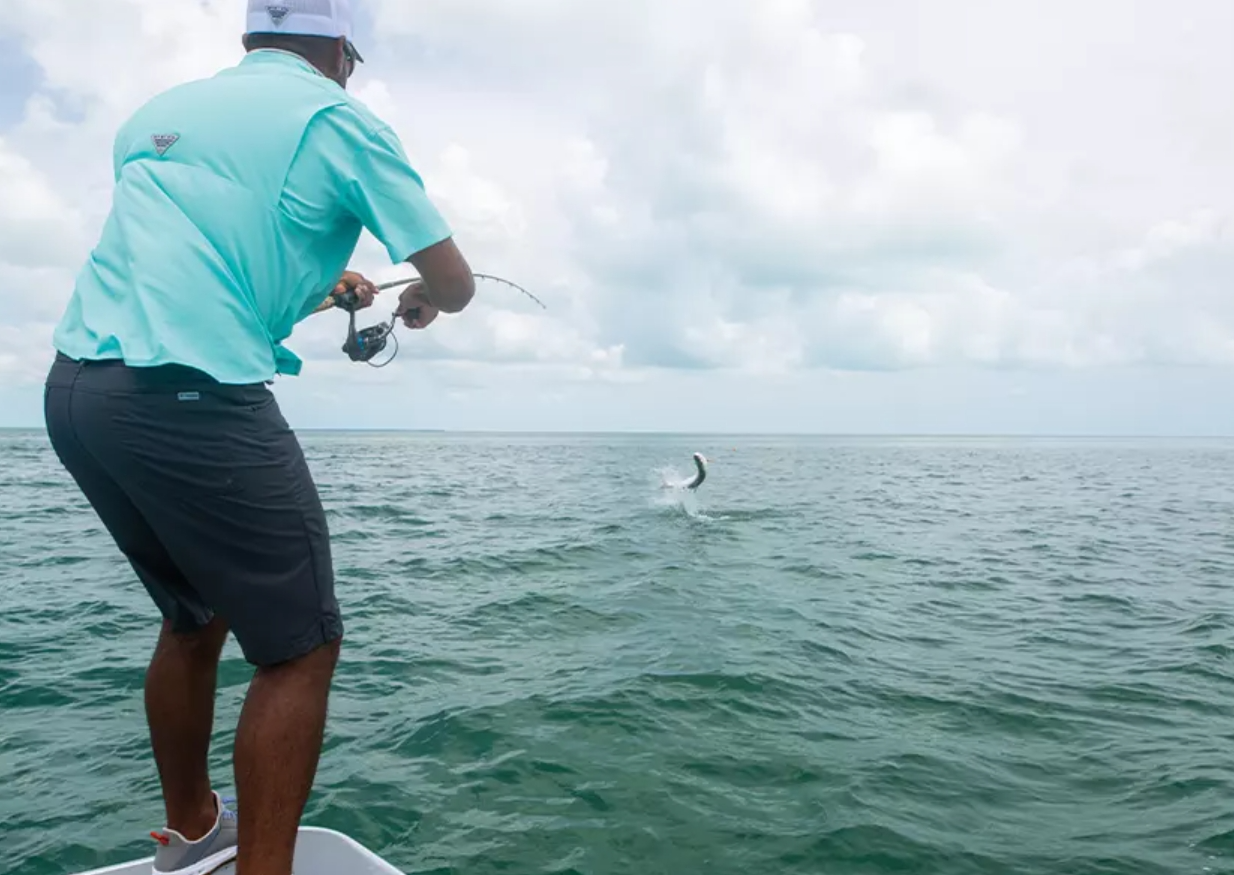
Stand on any pier at sunrise and you'll see the divide: one angler zipped into a hooded sun shirt, chin tucked against the collar like armor, another rolling up the sleeves of a classic long sleeve fishing shirt, forearms already catching that first golden light. Both swear their choice is the smarter one. Both aren't wrong—exactly.
That's the quiet tension behind every UPF 50+ clothing purchase. Sun protective fabric technology has advanced enough that fishing shirts and sun hoodies now overlap in performance, yet each carries its own personality and trade-offs in airflow, coverage, and how it feels against skin after ten hours under an unforgiving sky. This breakdown walks through how each garment behaves when the weather turns honest—not from a spec sheet, but from real use.Brands can develop custom UPF Fishing Shirts for specific sun conditions.
Walk the aisle of any tackle shop and the fabric tags tell the real story. UPF 50/50+ is the unspoken minimum for a serious long sleeve fishing shirt. Anything less is an athletic top, not genuine sun protective fabric.
Columbia PFG sits at the mainstream center. Their Men's PFG Terminal Tackle Long Sleeve Tee runs 100% polyester, UPF 50, priced around $40. The Wild Cast Sun Shirt swaps in a 91% nylon / 9% elastane blend with the same UPF 50, proving high protection doesn't hinge on polyester alone. Weave and finishing matter just as much.
HUK plays the value game hard. The Pursuit Shirt, UPF 50+, full polyester body with a back panel wicking mesh, sometimes drops to $16.99 from a $40 tag. That's the sharpest price-to-protection ratio on the market right now. Their Airweight Hoodie trades some UPF (30+) for a stretchier 90/10 polyester-spandex feel, sitting between $40–$60.
Simms takes a different approach. The Guide Shirt ($119.95) uses a 75/25 polyester-nylon weave with an added UPF blocker treatment—it has a thicker hand and is more durable against boat rails and hook snags. The Solarflex Hoody (£79.99) pushes UPF 50+ with a tighter, more technical build.
Where the Vents Live
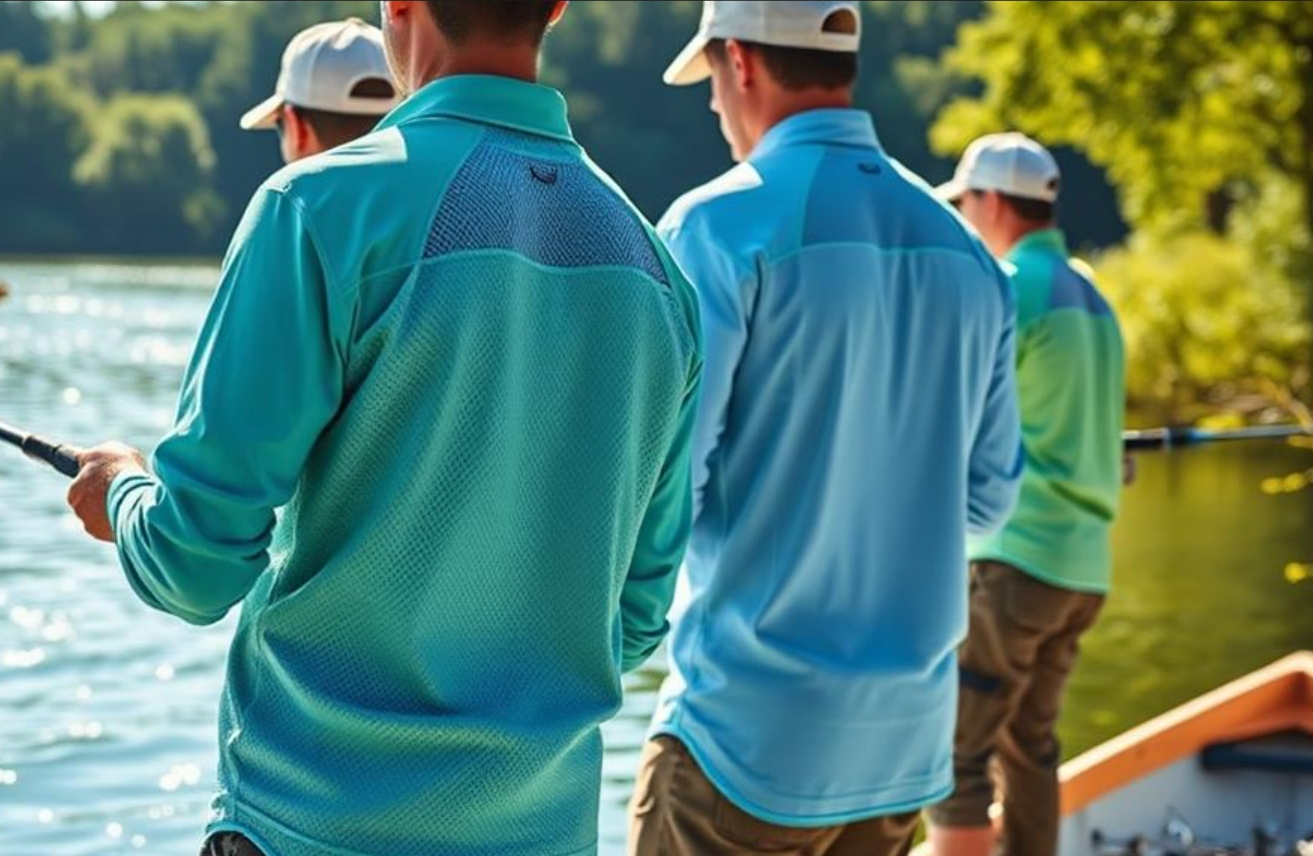
Most vented fishing shirt designs concentrate airflow at the shoulder blades, underarms, and upper back. That keeps roughly 85% of the upper body under full UPF coverage while still letting heat escape where it builds fastest.
Anglers who cast all day praise the 4-way stretch, raglan sleeves, and quick-dry feel. The complaints cluster around mesh zones. Some say sun sneaks through there, sizing runs long, and dark colors trap heat while light ones show sweat. The consensus leans toward UPF 50 with limited mesh over shirts with wide-open panels.
Sun Hoodies For All-Day UV Coverage: Features & Performance
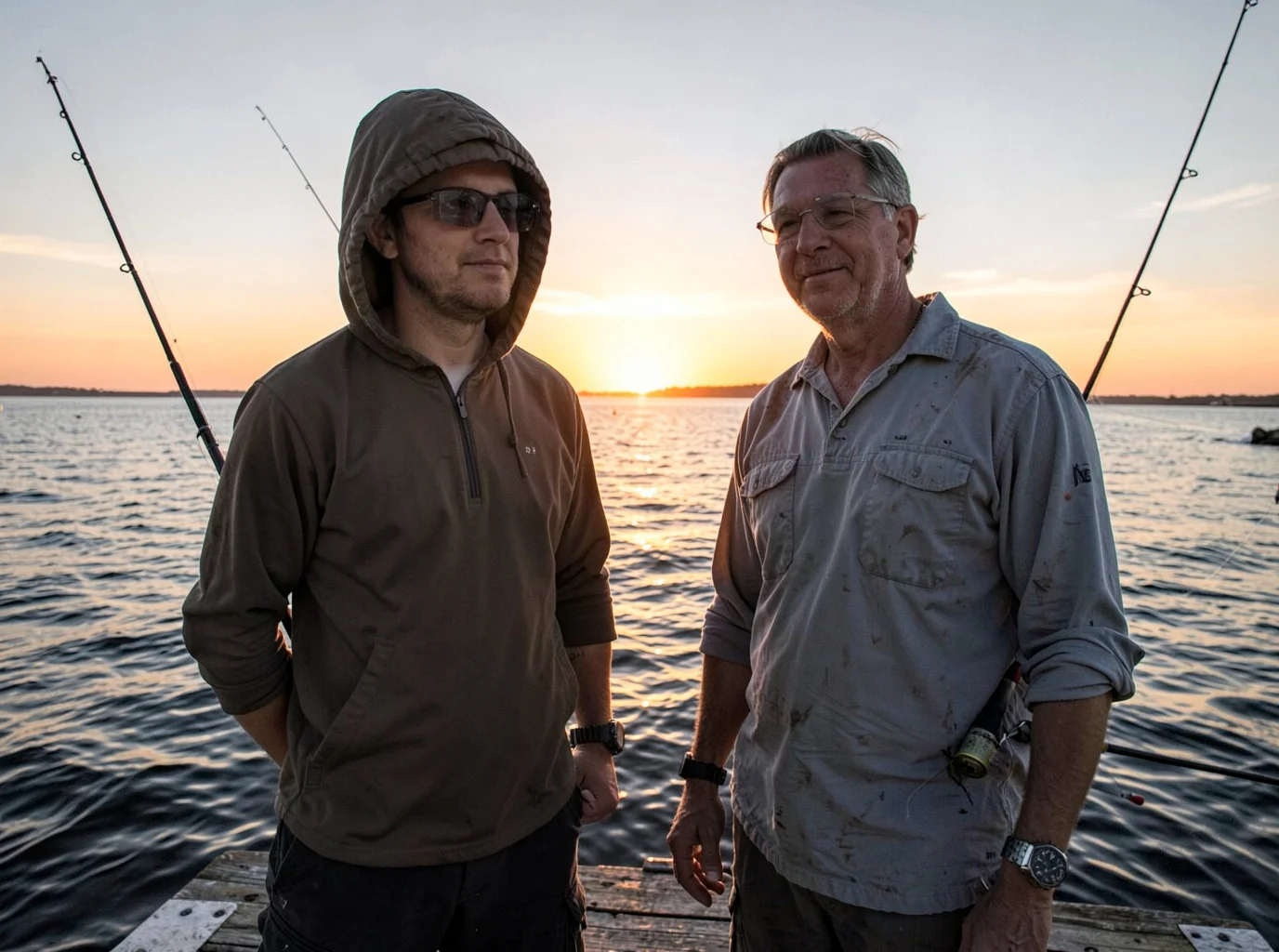
Memorize one number before you buy anything labeled UPF 50+ clothing: 98%. That’s how much UV radiation the fabric blocks, leaving only 2% to slip through. The sun protection is woven into the fabric itself, not sprayed on, so it doesn’t wash out after a season of saltwater and sunscreen.
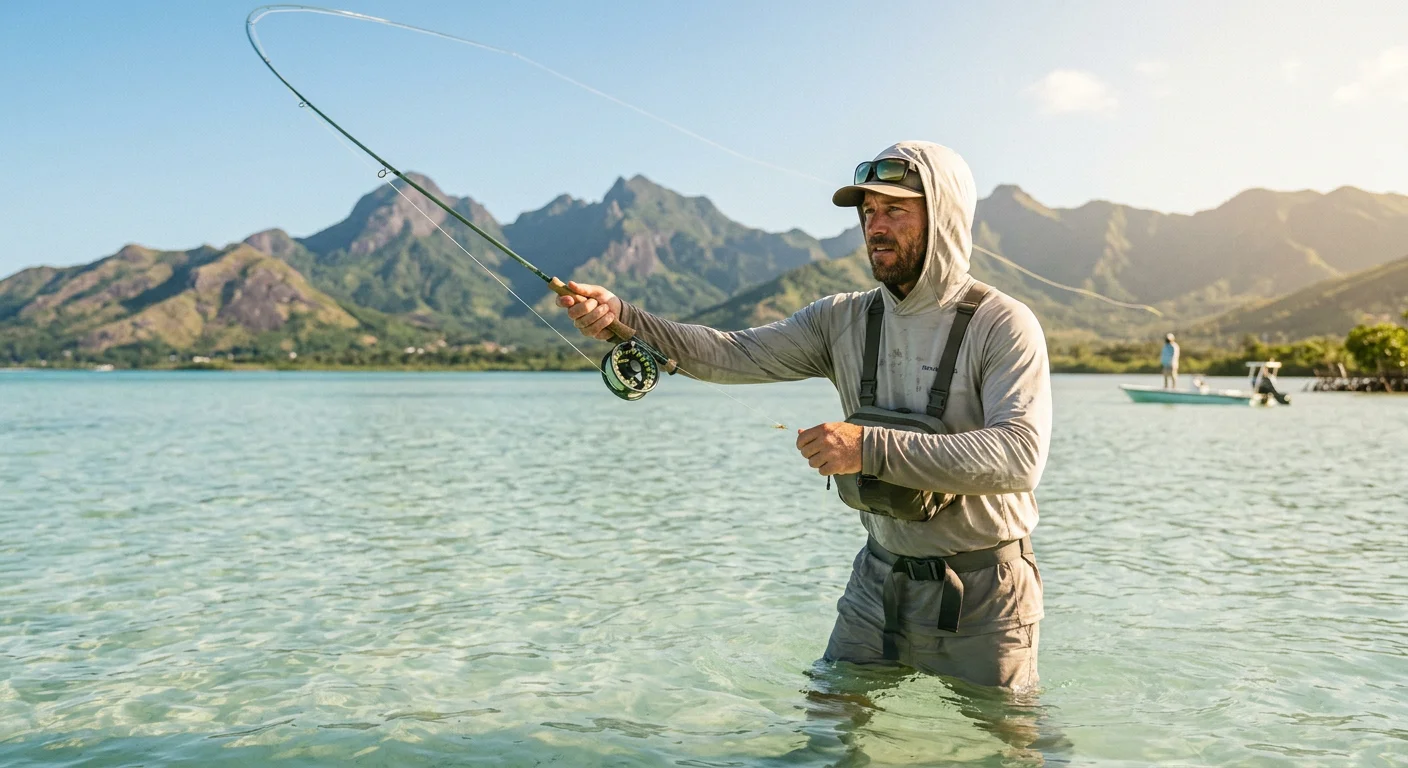
A deep hood, a high neck, and an extended face opening that wraps around the jaw set a hooded sun shirt apart from a regular hoodie. These are coverage choices, not fashion. The hood alone protects the scalp, ears, and the sides of the face that a baseball cap misses. The high collar closes the front-neck gap most shirts leave exposed. Every inch the garment covers is an inch you don’t have to slather with sunscreen every ninety minutes.
Across brands, the fabric pattern repeats: 100% polyester performance knit or interlock, around 4 to 4.2 ounces per square yard. Light enough to move with you, dense enough to hold UPF 50 without sagging flimsy. Most sun-shirt fabrics in this category land between 150–200 GSM, which is the sweet spot between blocking UV and letting body heat escape.
On the water, the math changes. Sun hits you twice – once directly, once bounced off the surface. That reflected glare is why outdoor sun protection gear built for kayaking and fishing leans so hard into hoodie construction. Full coverage matters more when the water itself is throwing UV back at you.
The honest complaint repeated across reviews is heat. Heavier fabric or a snug cut turns a hoodie stuffy fast. Brands fix this with lighter GSM, looser athletic cuts, moisture wicking fishing apparel , and quick-dry yarns instead of mesh vents.A skilled Sun Fishing Hoodie manufacturer can fine-tune GSM and fit. It’s a quieter kind of breathability – the fabric does less work to begin with.
Fishing Shirts vs Sun Hoodies: Key Comparison Dimensions
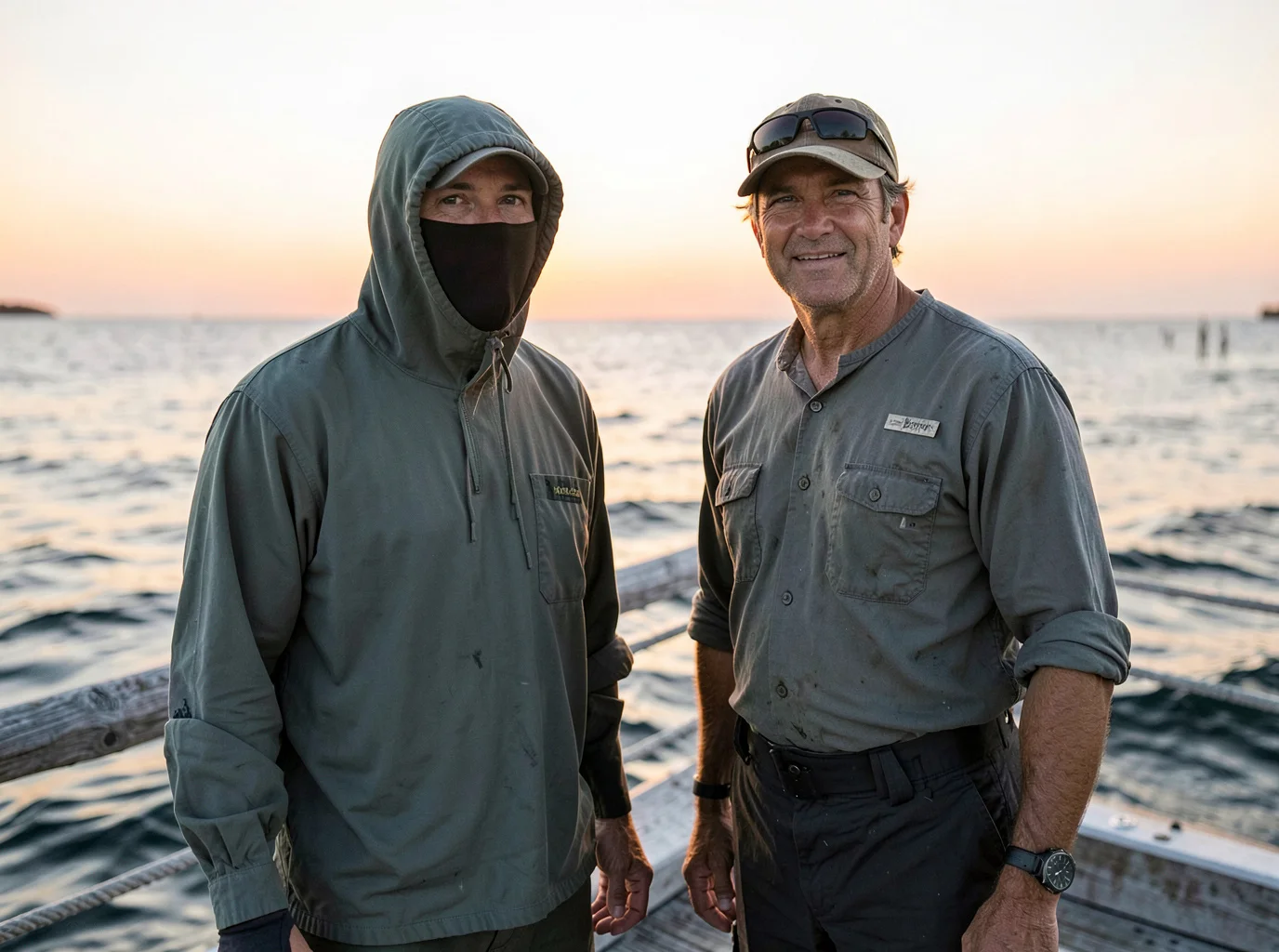
Numbers settle arguments faster than opinions. Here's the comparison anglers need before swiping their card.
UV coverage splits along a simple line. A crew fishing shirt protects the core torso and arms, but leaves neck, ears, and the back of the head exposed. A hat and neck gaiter have to cover that territory instead. A hooded sun shirt closes that gap entirely, wrapping the same zones the hat setup was compensating for.
UPF benchmarks aren't as uniform as marketing suggests. The Columbia PFG Tamiami II sits at UPF 40. Meanwhile the Free Fly Bamboo Shade Hoodie, Baleaf Sun Protection Hoodie, Mountain Hardwear Crater Lake, and AFTCO Samurai Sun Hoodie all clear UPF 50+. For context, UPF 30 blocks roughly 96.7% of UV; UPF 50+ pushes past 98%. That 1–2% gap matters after eight hours on open water.
Dimension | Fishing Shirt | Sun Hoodie |
|---|---|---|
Dry time (4.2 oz fabric) | 10–12 min | 12–15 min |
Typical weight | Lighter, vented builds | Up to 148 GSM / 5.6 oz |
Mobility | Streamlined, hat-friendly | Best with dropped-shoulder seams |
Wash durability | Strong in polyester/spandex | Same, if synthetic |
Price range | $49.95–$64.95 (budget) | $75–$99 (mid-range) |
Breathability still favors mesh-vented fishing shirts on raw airflow, but hoodies with side panels or perforated vents close that gap fast.
Movement leans crew-shirt for casting-heavy days; integrated gaiters on some hoods trade a bit of shoulder freedom for coverage.
Color is a smaller factor than most assume. Tight polyester weave beats shade alone for UV blocking, though darker tones absorb more UV and run hotter.
Durability rewards synthetics across both categories. Cotton-blend "UPF" shirts can lose real protection after 20–30 washes; tightly woven polyester holds its number.
Odor control goes to merino-blend hoodies like the Ridge Merino Solstice Pro, or treated options like the Forloh SolAir with Polygiene tech. Synthetics dry faster but smell sooner on multi-day trips.
Long-term cost often favors $50–70 synthetic fishing shirts for fast drying and low replacement risk, unless full coverage lets you skip buying separate gaiters altogether.
Which One Fits Your Fishing Scenario Best
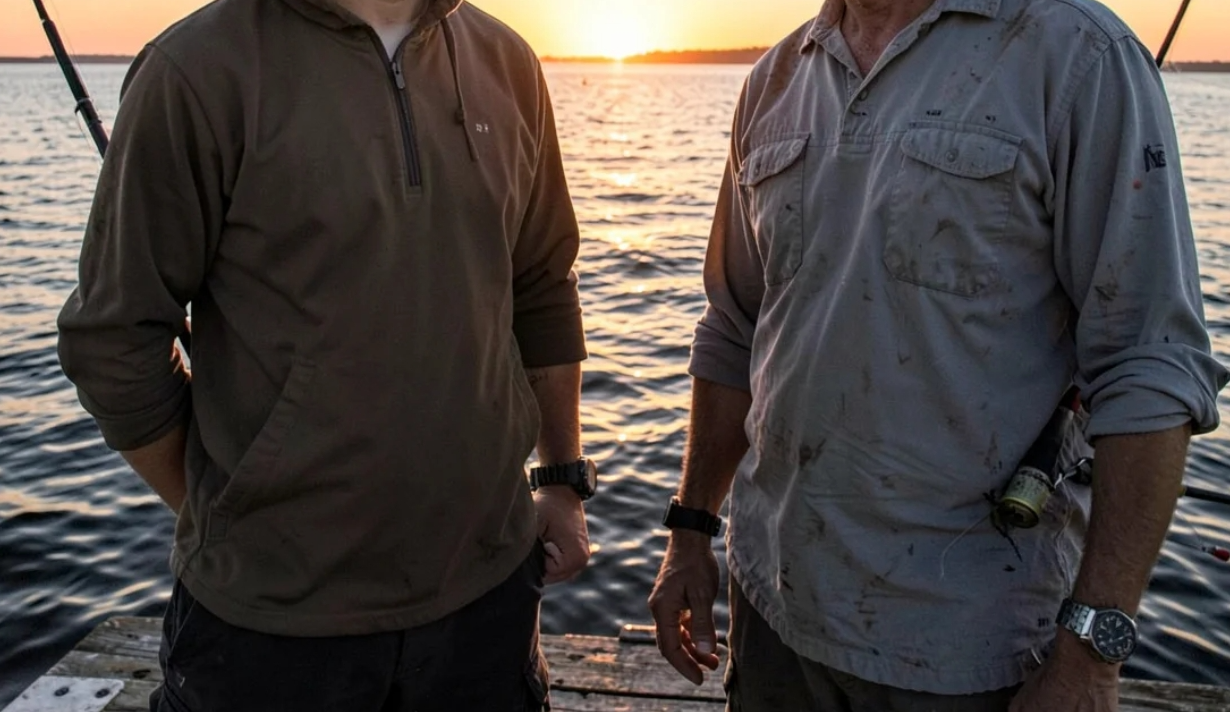
Coverage numbers settle the debate. Sun hoodies average 95% body coverage, while a traditional long sleeve fishing shirt sits closer to 85%. That 10% gap lives entirely at the head, neck, and hairline—territory a crew-neck can’t reach.
Offshore, kayak, and full-day sun exposure call for the hoodie without much argument. Water reflects UV back at you, wind shifts constantly, and hats slide the moment you lean into a cast. One angler summed up the split perfectly: “If the Tech Hoodie is my offshore workhorse, the Ventilated Hoodie is the one I grab for hot summer bass fishing.” Kayakers especially benefit. Their shoulders and neck stay exposed for hours with no cabin, no shade, no relief from glare bouncing off open water.
Hot weather, high-repetition casting, and inland stream fishing flip the recommendation. This is where a vented fishing shirt earns its keep. Breathable back panels, underarm mesh, and lighter fabric let heat escape while you’re wading and casting nonstop. Crew-neck builds also handle boat decks and high-wind days better. Hooded designs shine more in sight-fishing and slow-drift scenarios.
Even within hoodies, brands segment by intensity. The Huk A1A Performance Hoodie targets inshore, hot-weather use, while the AFTCO Samurai Sun Hoodie leans offshore and all-purpose. Heat tolerance still separates the two categories, hoodie or not.
For maximum coverage with zero extra gear, grab a sun hoodie. For airflow and casting freedom, go with a fishing shirt and add a cap and gaiter if head protection matters.
What To Look For When Buying UPF 50+ Sun Protection Clothing
A label that says "UPF 50+" means nothing until you know what's backing it. Under Australian/NZ and European systems, 50+ is the top rating. The fabric lets through less than 2% of UV and blocks 98%+ . Anything under UPF 15 barely qualifies as sun-protective at all, while UPF 30 blocks about 96.7% —a gap that matters after eight hours in open sun.
Check the label for a real standard, not marketing fluff. Legitimate claims cite AS/NZS 4399:2020, EN 13758-1/2, or AATCC TM 183. If a product says "blocks 99% of UV" with no rating, no standard, no lab method named—walk away. In Europe, UV-protective garments must hit UPF above 40 with average UVA transmission below 5% to claim the benefit.
Fabric construction decides the rest. Tight-woven polyester or polyester-spandex blends—commonly 90/10 or 92/8 splits—hold UPF 50+ while still stretching. Watch for transparency when the fabric stretches; an open knit lets UV through even if the tag says otherwise.
Ventilation should stay localized—back yoke, underarms, side seams. Look for UPF-rated mesh, not open panels that trade protection for airflow.
Hoods need adjustability (drawcord or elastic) and a structured brim that shades without blocking peripheral vision or muffling sound. That matters when you're tracking a bite or a boat wake behind you.
Best Compromise: Hooded Fishing Shirts With UPF 50+
A hybrid category exists for anglers who refuse to choose sides. Hooded fishing shirts give you the coverage of a sun hoodie with the ventilation of a classic long sleeve shirt, so you skip the separate gaiter and the cap swap.
AFTCO’s Samurai Sun Protection Hoodie leads this middle ground with UPF 50+ and a 92% polyester / 8% spandex blend that dries fast and resists odor. Columbia PFG’s Solar Stream Hoodie takes a lighter approach—Omni-Shade UPF 50 paired with Omni-Wick moisture control, for anglers who want something they’d wear on the dock and the drive home. Bassdash’s FS03M widens the collar and hood specifically to shield ears and neck. The Baitium Hooded Long Sleeve Fishing Shirt (95% recycled polyester, UPF 50+, $44.97) delivers that coverage without the premium tag.
The fabric math repeats: polyester-spandex ratios like 84/16 or 92/8 keep stretch and breathability intact without sacrificing UV filtration. Roadbox’s version claims over 97.5% UV filtration. FISHEAL’s integrated hood-and-mesh-mask combo pushes past 98% while still using underarm mesh ventilation and 4-way stretch.
Across brands, the pattern stays consistent: a hood, high collar, thumb holes, mesh vents on a UPF 50+ base. That’s the compromise: full coverage without the stuffiness.
Do Sun Hoodies And Fishing Shirts Really Work? Addressing Common Doubts
Skepticism around UPF 50+ clothing usually comes from people who've never checked how the number is measured. ASTM D6603 settles that: UPF is the ratio of UV exposure through open air versus through the fabric itself. It's a relative ranking of protection, not a "time-to-burn" clock. And the ranking holds up. A UPF 50 sun protective fabric lets through roughly 1/50th of UV radiation—about 2%. That's the Skin Cancer Foundation benchmark, and it's why anti-UV clothing rated 40–50+ falls into the "excellent" tier, while 25–39 sits at "very good" and 15–24 is merely "good."
Three doubts come up constantly, and none hold water:
"Thin fabric can't protect skin." Wrong. UPF depends on how much UV passes through the weave, dyes, and fiber structure—not thickness alone. A lightweight, breathable sun shirt can still test high if the construction blocks UV effectively.
"Dark colors are always hotter, so they're worse." Dark shades absorb more solar energy and can run warmer, but UV transmission—not color—determines actual protection. Trust the UPF label, not the shade.
"It only works when the shirt is brand new." Testing frameworks evaluate fabric after laundering and wear, which is exactly why a certified UPF number beats a casual guess.
One caveat matters: fabric protects what it covers. Sunscreen still belongs on hands, face, and neck.
Conclusion
Pick a fishing shirt or a sun hoodie by reading your day the same way you’d read an outfit — climate, activity, and comfort need to line up. Fishing shirts give you better breathability and freedom of movement for long hours on the water. Sun hoodies cover more exposed skin under harsh sun. If you’re torn, a hooded fishing shirt with UPF 50+ protection usually balances both, like a jacket that works across seasons. Whichever you pick, look for verified UPF 50+ clothing, solid stitching, and fabric that moves with you.Request a custom wholesale price for Sun Protective Fishing Shirts before bulk production. Before your next trip, try both styles. Feel how each performs on your skin, then buy based on how good it feels to move protected all day.