You've stood at the water's edge, rod in hand, watching another angler work the opposite bank — and wondered if they're doing it right, or if you are. That nagging question — fly fishing or spin fishing — isn't just gear snobbery or riverbank rivalry. It's a real tactical decision. The wrong choice can mean the difference between a full stringer and a long, humbling walk back to the truck.
The honest answer? Neither technique wins every time. Each one has a home water where it dominates — and a situation where it'll embarrass you. Whether you're comparing retail gear or researching custom fishing gear for your next setup,this guide breaks down which rod to grab, how each performs across rivers, lakes, and streams, and which setup gives you the real edge with trout on the line.
Fly Fishing vs Spin Fishing in Rivers: Which Handles Currents Better?
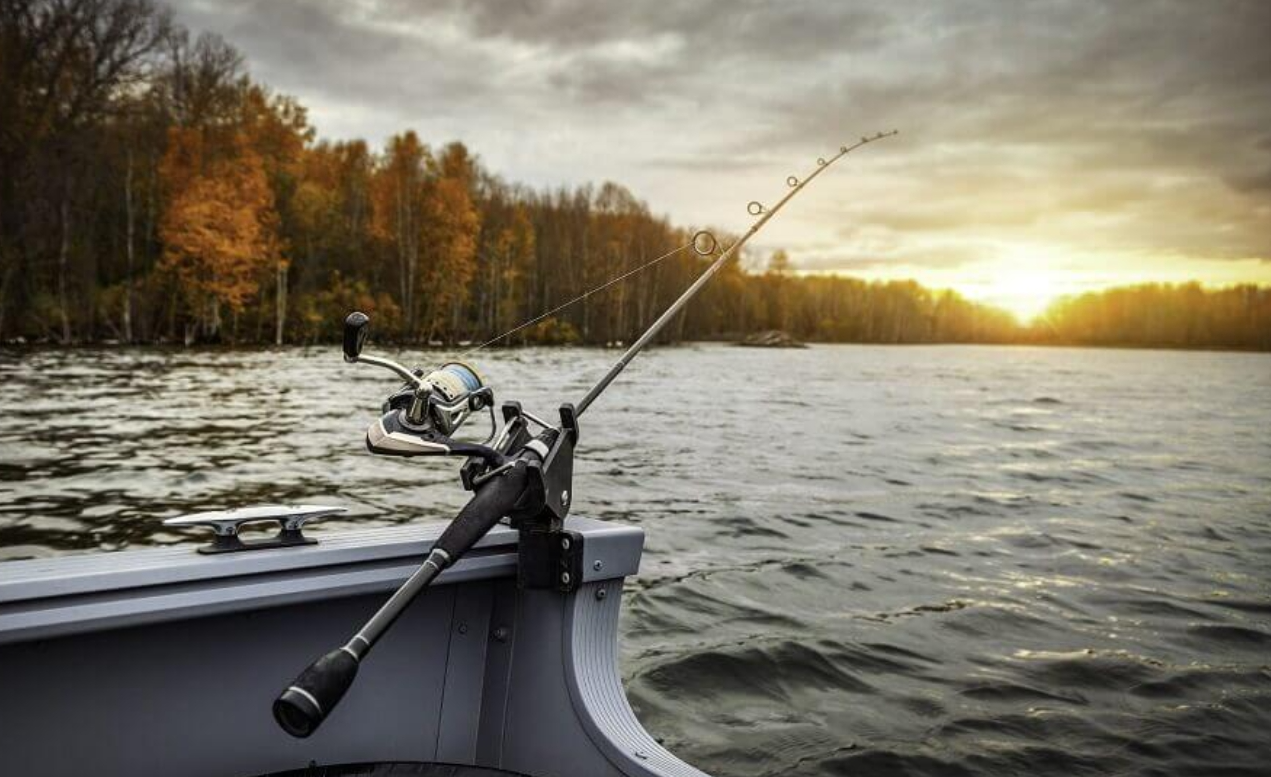
Rivers don't care about your preferred technique. They'll expose every weakness in your setup — drag, depth, current complexity — and punish you for ignoring them.
Here's the straight answer: fly fishing dominates in shallow, structured water (under 4–6 feet) . Spin fishing takes over past that depth. It also wins when you need to cover serious distance in heavy current.
Why Fly Fishing Wins in Shallow, Complex Currents
River trout eat insects. Insects make up 70–90% of a river trout's diet — aquatic bugs like mayflies, caddisflies, stoneflies, and midges do most of the work. Midges alone show up year-round in most streams.
That's why the fly rod earns its place in shallow, broken water. A dry fly or nymph on a dead drift moves at the exact same speed as the current — no faster, no slower. A spinning rig can't replicate that. The technique requires two skills:
Upstream mending: After the cast, you reposition your fly line so the fly doesn't get pulled off-speed by faster or slower currents sitting between you and the target
Reach casting: You angle the cast upstream at the moment of delivery. This buys extra drift time before drag sets in
In pocket water — fast mountain streams packed with boulders and competing micro-currents — a fly angler working 10–20 feet of line can hit each individual seam with sharp precision. A spin lure at that range is just noise.If you're comparing equipment from different fishing gear suppliers, understanding these river-specific advantages can help you choose the right setup instead of relying on marketing claims.
Spin Fishing Takes Back the River
Push past 6 feet of depth, or step into a wide, fast main channel. The fly rod starts working against you.
Heavy lures in the 1/8–1/2 oz range sink fast and hold the bottom. A lightweight nymph on floating line can't do that. In deep slots running at 0.8–1.5 m/s, a jig or weighted swimbait stays in the strike zone. A fly line at that depth gets tangled across multiple current seams.
Distance matters too. Fly anglers top out at 40–60 feet of controlled presentation in real fishing conditions. A spinning rod with a 3/8 oz lure covers 70–100 feet — that's critical when fish are tight against far bank structure you can't wade to.
The Four-Variable Decision Framework
Variable | Fly Fishing Wins | Spin Fishing Wins |
|---|---|---|
Water Depth | ≤ 4–6 ft | > 6 ft |
Current Type | Multi-seam, complex pocket water | Single strong main channel |
Target Species | Insect-feeding trout | Deep-holding trout, salmon |
Coverage Needed | Precision, short range | Distance, searching |
The river tells you which tool to pick. Read the water first — then grab the right rod.
Fly Fishing vs Spin Fishing in Lakes: Who Wins on Still Water?
Still water is a different game.
Rivers hand you structure — seams, riffles, pocket water. A lake gives you nothing but open water and a choice: search wide, or wait for the fish to show themselves. That distinction drives everything about which technique wins here.
The short answer: spin fishing dominates still water most of the time. It covers more ground, reaches deeper, handles wind, and catches more fish per hour across more species. But there's a specific window — glassy surface, visible rise rings, insects hatching — where a fly rod will embarrass a spinning rig.
Where the Fly Rod Wins on a Lake
That window is real. It's worth knowing the details.
Wind drops to near zero. The surface goes mirror-flat. Trout start feeding on top — you'll see the rings, hear the subtle sips, watch the fish working the film. That's your window. This isn't a vague preference. It's a mechanical advantage.
Trout eat aquatic insects for 90% of their diet . During a mayfly or caddis hatch, fish lock onto the surface and ignore almost everything else. A dry fly weighing next to nothing lands without a splash. It sits flush in the film and matches a size #18–#22 insect dead-on. A spinning lure can't do that. No rig in your tackle box can replicate a near-weightless, zero-flash presentation at that scale.
During an active hatch on glassy water, fly fishing hookup rates beat spinning. The presentations aren't just different — they're not competing on the same terms.
Conditions that trigger this advantage:
Wind under 3–4 mph, surface close to mirror-flat
Visible surface rises: more than 5 per minute in your field of view
Clear hatch activity — insects lifting off, fallen adults on the surface
Target species: trout, bluegill, or cutthroat feeding in the top 0–18 inches
Miss any of those conditions, and the fly rod's edge shrinks fast.Many fishing tackle wholesalers recommend keeping both fly and spinning setups available because changing water conditions can quickly shift the advantage from one technique to the other.
Where Spin Fishing Takes the Lake
Outside that hatch window, spin fishing isn't just competitive — it's dominant.
Distance alone changes the math. A spinning rod with a 3/8 oz lure covers water a fly angler can't reach from the same bank. On large reservoirs, open plains lakes, or any water where fish aren't rising in front of you, that range advantage means more casts, more water covered, more fish contacted.
Depth seals the deal. Fish drop below 6 feet for most of the day, on most lakes, in most conditions. At that point, a fly rod loses its effectiveness. A sinking line and weighted flies help, but controlling presentation at 8–15 feet in still water is a fight against physics. A jig, a crankbait, or a spoon gets there in seconds and stays there.
Practical spin fishing advantages on lakes:
Deep water control: Weighted jigs and swimbaits hold 6–15 ft depth zones with ease
Wind tolerance: Lure weight carries through 10–15 mph winds that collapse a fly cast
Species range: Swap to a crankbait for bass, a spoon for pike, a swimbait for walleye — one rod, unlimited options
Trolling: Cover miles of shoreline structure at a consistent depth — not possible with fly gear
The Lake Type Decision Matrix
Lake Type | Best Conditions | Go-To Method |
|---|---|---|
Alpine / mountain lake | Dawn calm + visible hatches | Fly fishing — dry fly or soft hackle |
Alpine / mountain lake | Midday wind + fish below 1.5 m | Spin — light spinners, small spoons |
Reservoir / deep impoundment | Deep structure, searching, multiple species | Spin dominates |
Flatland lake | Bass, pike, mixed warm-water species | Spin — crankbaits, jigs |
Any lake, active surface hatch | Glassy water + rise rings | Fly rod, match the hatch |
The lake doesn't play favorites — it punishes the wrong tool at the wrong time. Spin fish by default. Carry the fly rod for the moments the surface tells you it's time.
Fly Fishing vs Spin Fishing in Streams and Small Creeks: Tight Quarters, Big Decisions
Small streams are where technique gets honest.
There's no wide channel to hide sloppy casting, no deep reservoir to absorb bad decisions. A canopy-covered creek — maybe 2 meters wide, branches at eye level, boulders breaking the current every few feet — cuts the problem down to one question: can you get the right presentation into a target the size of your palm?
The answer lives in what's overhead.
Where the Fly Rod Dominates Small Water
Stream trout eat insects. Not once in a while — about 90% of their daily diet is aquatic bugs . That biological fact gives fly fishing a hard structural edge in open small-stream environments. No lure can compete with that.
The mechanical advantage comes from the weight system. A fly rod uses a weighted line to launch a near-weightless fly . You can drop a size #18 dry fly onto a 15×15 cm window between two rocks — no splash, no flash, no spooked fish. Those fish hold just 10–30 cm below the surface. Stream trout in shallow runs of 0.2–0.8 m are wired for threat detection. A thin 5X–7X tippet — around 0.10–0.14 mm diameter — lands with almost zero surface disturbance. A spinner at the same range hits like a door knock.
In real creek conditions, this difference shows up in actual hookups. Field comparisons with brook trout reveal a clear pattern: before a hatch, spinners hold their own on search efficiency. The moment insects start emerging, fly fishing hookup rates overtake lures and stay ahead.
You don't need 40 feet of line to make it work. A roll cast or bow-and-arrow cast at 3–7 meters drops a nymph into a seam between two boulders with repeatable accuracy. The bow-and-arrow cast is worth knowing — load the rod tip, pull back the fly with your free hand, then release. It fires a fly into a 20–30 cm target even with branches less than 2 meters above the water. No backcast needed.The same level of precision is why experienced anglers often pay attention to the quality standards used by the fishing gear factory behind their rods and fly lines, especially when fishing tight technical water.
Where Ultralight Spin Gear Takes Over
The fly rod's dominance has a ceiling. That ceiling is made of tree branches.
Stream width drops below 2 meters . Canopy height falls under 2 meters . Bankside brush blocks everything except a narrow forward lane. At that point, the fly line has nowhere to go. A standard 7–8'6" fly rod needs 3–4 meters of overhead clearance for a functional roll cast. Take that away, and you're fighting physics instead of fish.
This is where ultralight spin gear earns its place. A 4'6"–5'6" ultralight rod rated for 1/32–1/8 oz lures is 30–50% shorter than a typical fly rod. It fits the tunnel. In canyon creeks or heavily canopied mountain streams with just a 1–1.5 meter forward opening, an underhand pendulum cast with a 1.5–3 g mini spinner threads through the gap clean. No aerial line arc. No overhead clearance needed.
The advantage builds further on streams with multiple structure pockets — undercut rocks, sunken logs, dark holes. A fly angler works one drift line at a time. An ultralight spin angler hits those same features with quick, direct casts. You can cover 50–200 meters of stream in the time it takes to fish a single run with flies . In canopy-covered sections, that adds up to 30–50% more reachable water surface compared to fly tackle.
Deep pockets matter too. A slot deeper than 0.8–1 m with fast current? A weighted jig or suspending micro-minnow (30–50 mm) drops into the strike zone in seconds. Adding split shot to a nymph rig gets messy fast in tight quarters.
The Stream Decision Framework
Condition | Choose Fly Fishing | Choose Ultralight Spin |
|---|---|---|
Stream width | ≥ 2–3 m | < 2 m |
Overhead clearance | ≥ 3 m | < 2 m — branches blocking backcast |
Fish behavior | Surface feeding, active hatch | Holding deep in structure |
Goal | Maximum hookups on one run | Cover 100+ m of stream with speed |
Water depth | 0.2–0.8 m shallow runs | > 0.8 m deep pockets and holes |
Read the canopy before you read the water. Got room to cast? The fly rod matches stream trout's diet better than anything else in your bag. Trees have the final say? Put down the fly rod and pick up the lightest spinning outfit you own.
Fly Rod vs Spinning Rod: Gear Breakdown for Each Technique
The rod in your hand isn't just equipment — it's a commitment to a specific theory of how fish get caught.
These two tools run on opposite principles. A fly rod launches weight in the line . The fly itself weighs almost nothing. A spinning rod launches weight in the lure . The line is close to weightless. That one mechanical difference drives every other gear choice: the reel you need, the line you spool, the fish you can target.
The Fly Rod: Line Weight Is the Starting Point
One number drives the entire fly fishing gear setup: line weight (wt) . Your rod, reel, and fly line all need to match it.
The beginner's default is a 9 ft, 5 wt, medium-fast action rod — and for good reason. It handles dry flies, nymphs, and small streamers across most trout rivers. You don't need to specialize early. It covers a wide range before you outgrow it.
Scale up or down based on your target:
1–4 wt: Small streams, brook trout, panfish — delicate presentations on tight water
4–6 wt: Standard trout rivers — the everyday workhorse range
6–8 wt: Bass, carp, light steelhead, inshore saltwater
8–10 wt: Salmon, stripers, heavier saltwater species
10–14 wt: Tarpon, tuna — serious big-game territory
The fly reel's job is storage and drag — it doesn't cast the line. A 5 wt rod pairs with 5 wt WF floating line . You can over-line one weight (6 wt line on a 5 wt rod). This loads the rod faster at short distances. It's useful for throwing streamers in tight quarters.If you're building a complete setup, comparing gear by performance rather than fly and spin fishing wear wholesale price often leads to better long-term value, especially for beginner fly anglers.
The Spinning Rod: Lure Weight Drives the Decision
Spinning rod selection works on a different logic. The key parameters are power rating, action, and lure weight range — not line weight.
The standard entry-level freshwater setup: 6'6"–7'0" rod, Medium power, Fast action, rated for 1/4–5/8 oz lures . That range covers crankbaits, jigs, soft plastics, and most hard lures. You won't need to swap rods.
The spinning reel loads 6–12 lb monofilament or 10–30 lb braid. A fly reel just stores line and controls drag. A spinning reel does more — lure weight loads the blank, and the reel controls line release and retrieval on every cast.
The Cost Reality
Budget shapes this decision for most anglers. A complete fly fishing gear setup — rod, fly reel, fly line, leaders, and a basic fly box — runs $280–$450 at the entry level. A functional spinning rod and spinning reel combo comes in at $100–$240 . Fly gear costs 1.5–2x more to get started.
That gap shrinks as you fish more and spread the cost over time. For a first setup, though, it's real money.
The 3-Step Gear Decision
Name your water and target fish — small-stream trout points to a 3–4 wt fly rod; open-water bass points to a 6'6" medium spinning setup
Match the tool to the job — precision insect presentation needs fly gear; distance and depth coverage needs spinning gear
Dress for the technique — fly fishing needs chest pockets for fly boxes and quick-dry fabric for wading; spin fishing needs lightweight, unrestricted shoulders for high-volume casting
The rod choice locks in your approach. Everything else follows from it.
Which Technique Catches More Trout? Fly Fishing vs Spin Fishing for Trout
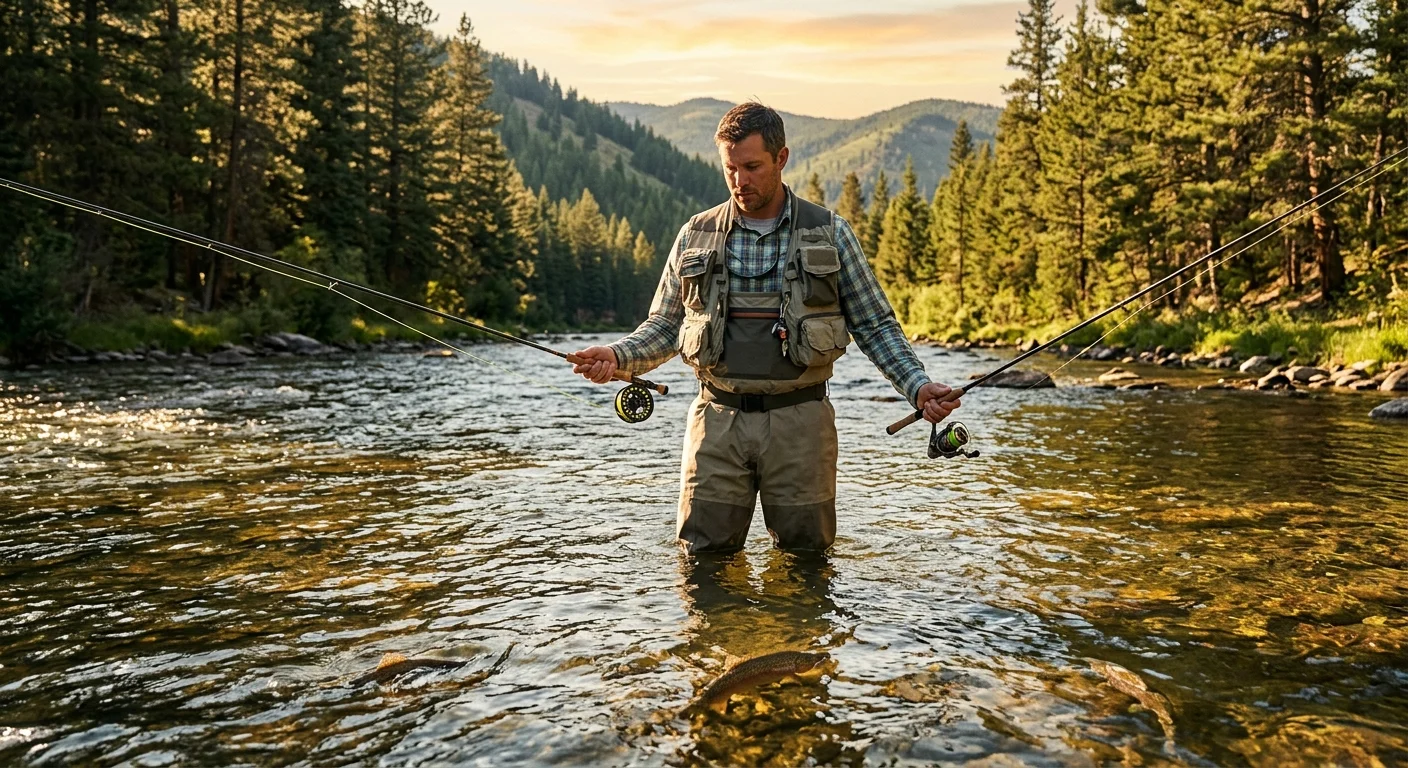
Trout don't care about your preferred technique. They care about what's on the menu.
That single biological fact — not tradition, not gear snobbery — determines which rod wins on any given day. Aquatic insects make up 90% of a trout's diet . Build your strategy around that number. The fly-versus-spin debate stops being philosophical and becomes practical.
Here's the bottom line: spin fishing catches more trout across more conditions. It covers water faster, reaches deeper, and doesn't demand years of casting practice to produce results. One experienced angler said it straight: "I'm not catching as much as I would with a spinning rod." That's not opinion — that's the pattern beginners and intermediate anglers report again and again.
Spin fishing doesn't win every round. It just wins most of them.
Fly Fishing Overtakes Spin Fishing for Trout
The flip happens during a hatch. Mayflies, caddisflies, or midges start emerging. Trout lock onto the surface film. A dry fly or emerger pattern matched to the insect's life stage will outfish any lure in your tackle bag. A spinner hits the water with flash and splash. A size #18 dry fly lands like a whisper. It sits flush in the film — right where the fish are eating.
Field comparisons with brook trout confirm this: spin gear holds its own before the hatch begins. Once insects start emerging, the fly rod takes over and stays ahead.
The conditions that give fly fishing its edge on trout:
- Active surface hatch — visible insects lifting off, rise rings multiplying
- Clear, shallow runs — 0.2–0.8 m depth, low-turbidity water
- Selective fish — trout refusing lures, keyed onto a specific insect stage
Miss those conditions, and the fly rod's advantage disappears fast.
The One-Rod Decision
Heading out without knowing what you'll find? This framework works:
Scenario | Best Choice |
|---|---|
Deep lake, reservoir, fast searching | Spin fishing |
Winter slow bite, murky water, distance needed | Spin fishing |
Active hatch, shallow clear stream | Fly fishing |
Selective trout, surface feeding | Fly fishing |
Unknown conditions | Start spin, switch to fly when fish rise |
The best real-world strategy isn't picking one over the other. It's using spin gear to locate fish first, then switching to fly gear once surface activity confirms a hatch . Two rods in the truck isn't excess. It's an honest admission that trout change the rules. You need to change with them.
Beginner's Dilemma: Should You Start With Fly Fishing or Spin Fishing?
The answer depends on what kind of fisherman you want to be — not what you think you should be.
Two profiles define most beginners. One wants fish in hand as fast as possible. The other wants to stand in a mountain creek, read the water like a map, and fool a trout with a fly that weighs less than a paperclip. Both are fair goals. They just need different tools — and different timelines.
Want Fish Fast? Start With Spin Gear
Spin fishing is fast and easy for beginners. A complete setup — rod, reel, line, a handful of lures — runs $50–$100 at any outdoor retailer. You can learn the basic cast in under two hours. By your first afternoon on the water, you're making 50–100 functional casts and feeling real strikes.
Fly fishing costs more upfront. An entry-level kit runs $100–$200 — about 2–3x the cost of a basic spinning setup. The price gap is real. The time gap is even bigger. A solid fly cast — stable loop, accurate drop, no tangle — takes most beginners 10–20 hours of focused practice . The cast chains together five to seven separate movements. Miss any one, and the line folds, cracks, or piles on the water.
For beginners who want more fish per hour and faster confidence, spin gear is the clear choice.
Want Trout and the Full Experience? Go Straight to Fly Fishing
Here's the other side: your target is stream trout and how you catch them matters. The longer learning curve gives you something real in return.
Fly fishing connects you to what trout eat — aquatic insects, matched at the right size, stage, and drift speed. That precision changes how you read the water. Many anglers who start with fly gear call it a practice — closer to chess than casting. The learning curve is steep. The satisfaction builds over time.
Before your first fly fishing trip, do this:
1. Spend at least 2 hours practicing casts on grass — no water, no fish. Use a 9 ft, 5 wt rod with WF floating line. Focus on keeping the loop tight at 10–15 meters. Nothing else.
2. On your first two or three outings, fish one run with full focus rather than covering distance. Fly fishing rewards patience over speed.
The Straight Recommendation
Your Goal | Start Here |
|---|---|
Catch fish fast, low budget | Spin fishing — $50–100 setup, fishable in one afternoon |
Trout in streams, process matters | Fly fishing — accept the learning cost, it pays back over a lifetime |
Not sure yet | Start spin — build confidence, add fly gear once you know what draws you to the water |
Pick the tool that matches the fisherman you want to become. Both roads lead to fish. They just don't lead to the same river.
Head-to-Head Comparison: Fly Fishing vs Spin Fishing at a Glance
Eight dimensions. Two techniques. One table that settles a century of riverbank debate.
Dimension | Fly Fishing | Spin Fishing |
|---|---|---|
Learning Curve | 7–9/10 — casting mechanics, line control, reading water, matching hatches | 3–5/10 — cast and retrieve, high forgiveness, fishable in an afternoon |
Starter Gear Cost | $300–$1,500 (rod, reel, line, leaders, flies) | $80–$400 (rod, reel, line, a handful of lures) |
Effective Cast Distance | 40–70 ft for most anglers; 80–100 ft for advanced | 60–120 ft standard; 150+ ft with heavier setups |
Deep Water (>10 ft) | Works with sinking lines — gets awkward past 15–25 ft | Jigs and deep-diving cranks reach 15–65 ft with precision |
Best Target Species | Trout, bluegill, cutthroat — insect-dependent fish | Bass, pike, walleye, salmon — anything that hunts baitfish |
Lure-in-Water Time | ~40–60% per hour — line mending and repositioning eat into your time | ~60–80% per hour — continuous retrieve, faster water coverage |
Trout Conservation (C&R) | Single hooks, light tippet, long rod absorbs runs — lower mortality | Treble hooks, heavier line — higher gut-hook and tissue damage risk |
Wind/Space Tolerance | Crosswind and low canopy hurt your cast fast | Lure weight punches through wind; needs a clear forward lane |
The gap between these two techniques isn't style — it's physics. Fly fishing launches weight in the line . Spin fishing launches weight in the lure . That one mechanical difference drives every advantage and limitation you see in the table above.
Know which tool wins in each situation. The rest of this guide shows you where.
FAQs: Fly Fishing vs Spin Fishing Questions Answered
Eight questions. Straight answers. No riverbank philosophy.
Q: Can you use a fly rod for spin fishing?
No — and not because of tradition. The mechanics don't work that way. A fly rod loads on the weight of the line itself . A spinning rod loads on the weight of the lure . A spinning reel can't cast fly line. A fly rod can't handle a 15 g crankbait without risk of damage. Some anglers rig a clear casting bubble on a spinning rod to fish flies — that works. A fly rod doing spin duty? It doesn't.
Q: Is fly fishing harder than spin fishing?
Yes — much harder. Spin casting takes 5–10 minutes to pick up at a basic level. Most beginners make functional casts the same afternoon. Fly casting takes a few hours just to load the rod well. Then you need weeks more to tighten your loops and get the timing right. Reading water, matching hatches, mending line — those skills build over years , not sessions. Spin fishing asks you to cast, retrieve, and control depth. Fly fishing asks you to think like a trout.
Q: Which is better for catch and release?
For trout, fly fishing wins on the biology. Flies use single, barbless hooks — far less likely to cause deep gut-hooking than treble-hooked lures. A 9 ft fly rod flexes through a fish's run, which cuts peak stress on the animal. Research from trout management literature shows barbless hooks reduce post-release mortality by around 10–20% compared to bait and treble setups. The fish's survival matters. The fly rod is the more responsible tool.
Q: Which style catches more fish overall?
Spin fishing wins in most situations. It covers more water, reaches greater depth, and doesn't need years of practice to produce results. One experienced angler said it straight: spin fishing is more efficient by nature — you can work jigs and crankbaits at 10–30+ ft and sweep through structure fast.
The exception is stream trout during a hatch. Aquatic insects make up around 90% of a trout's diet . Fish lock onto a mayfly emergence and ignore everything else. At that point, a size #18 dry fly beats any lure in your bag. Spin wins on lakes and deep water. Fly wins on insect-feeding trout in rivers and streams.
Q: Which is better for river fishing?
It depends on the river. In shallow to mid-depth sections — 0.5 to 6 ft — with trout present, fly fishing is the stronger choice. Pressured fish in technical water often refuse spinners after early-season exposure. Those same fish keep taking a well-drifted nymph. Fly gear handles complex currents with a level of precision that spin lures can't match.
In deep, swift pools beyond 8–10 ft , the spinning rod takes over. Getting a heavy jig or spoon down through the water column and holding it at depth — fly gear can't do that well, even with heavy sinking lines.
Q: What's the real cost difference?
Setup | Functional Entry Cost |
|---|---|
Fly fishing (rod, reel, line, leaders, flies) | $150–$300+ |
Spin fishing (rod, reel, line, lures) | $40–$120 |
Fly gear costs 1.5–2x more to get started. That gap grows as you add specialized lines — floating, sink-tip, full sinking — for different water types. Spin gear costs less upfront and works across more species on a single combo.
Q: Do I need a fishing license for both?
Yes. In nearly every North American jurisdiction, licensing is method-neutral . It doesn't matter whether you're holding a fly rod or a spinning rod. You need a valid recreational fishing license either way. Typical costs run $20–$50 per year for residents and $50–$120 for nonresidents . Many trout and salmon waters also require additional stamps or permits on top of the base license. Check your state or provincial regulations before you go — enforcement covers species limits and seasons, not your tackle choice.
Q: Which is better for lake fishing and deep water?
Spin fishing — and it's not close past 10–15 ft. Heavy jigs reach precise depths on the count. Crankbaits dive to 10–20 ft on retrieve . Swimbaits and spoons work through the water column in a controlled, methodical way. One tackle comparison puts it plainly: fly gear in deep stillwater is "almost impossible to control" at typical lake depths, even with the heaviest sinking lines available.
Fly rods still have a place in lakes — shallow flats, drop-off edges, surface hatches in the top 6–8 ft. But for deep reservoirs targeting bass, walleye, or lake trout holding in structure? Bring the spinning rod.
Conclusion
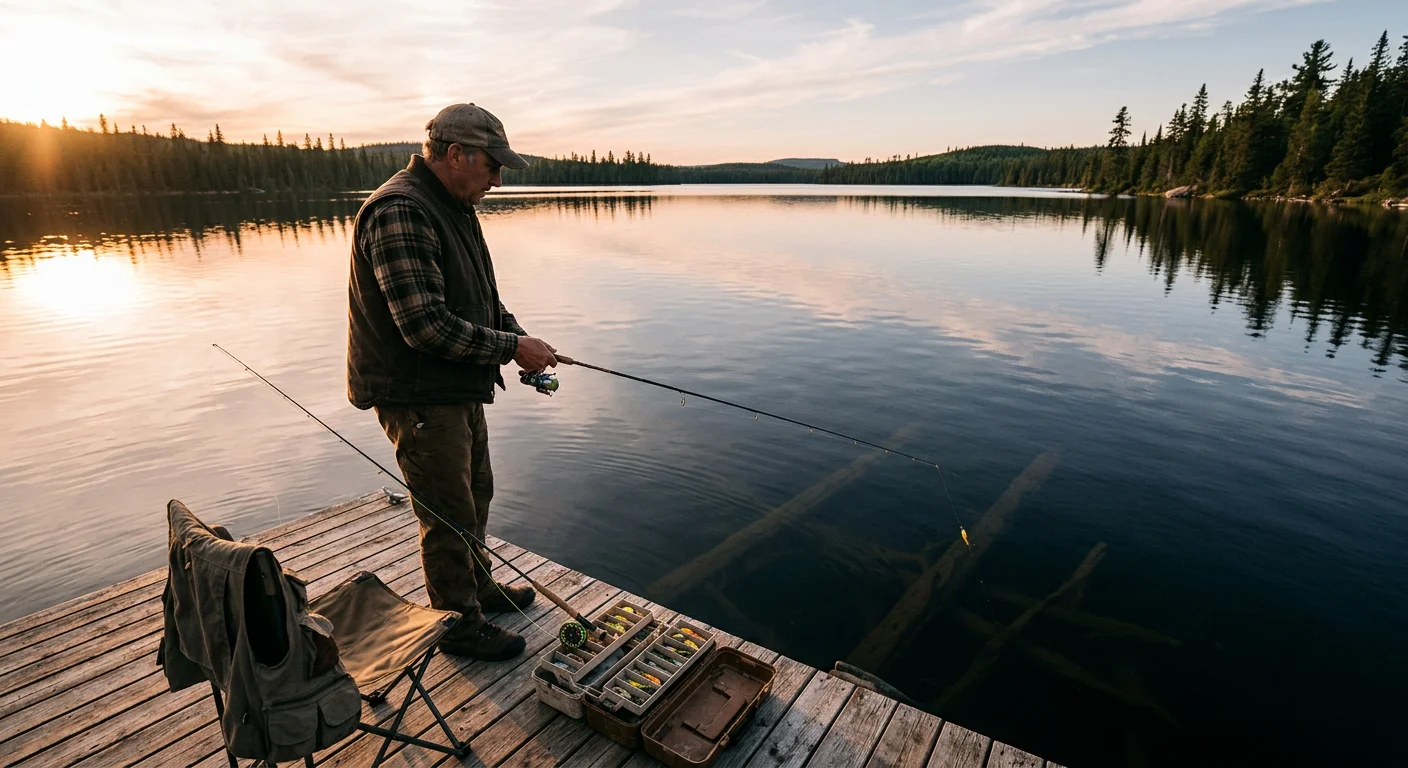
No technique wins every time. That's the whole point.
The best anglers don't stick to one method. They chase results. Fly fishing shines in rivers and streams — where precision and presentation decide whether you go home with a full net or an empty one. Spin fishing takes over on open lakes and deeper water, where casting distance and versatility matter most.
Starting out? Grab a spinning rod first. Learn how fish behave and where they move. Once that clicks, picking up a fly rod feels far less overwhelming — and a lot more fun.
The right gear separates a frustrating afternoon from a story worth telling. At Run Fish Apparel , we outfit anglers for both styles.For fishing brands looking to expand their product lines, private label fishing apparel and accessories can also be an effective way to build a unique identity in the market. The water doesn't care which technique you prefer. It rewards the ones who showed up ready.
Now stop reading. Go fish.