It's 6 AM and you're already sweating through your UPF fishing shirt , wondering if you layered wrong before the sun's even fully up. Sound familiar?
I've spent hundreds of days on the water, from blistering summer flats to bone-chilling spring mornings, testing nearly every moisture-wicking undershirt, quick-dry tee, and merino base layer combo out there. Most anglers get this wrong. They either bake in cotton or skip a layer entirely and end up chafed raw by their harness straps.
This article skips the generic "wear what feels comfortable" advice. Brands can develop custom UPF Fishing Shirts with matching base layers.Instead, you'll get real, field-tested strategies broken down by weather, sweat level, and skin sensitivity, so you can finally stop guessing what belongs under your fishing shirt.
Start With a Thin Moisture-Wicking Undershirt for Most Fishing Trips
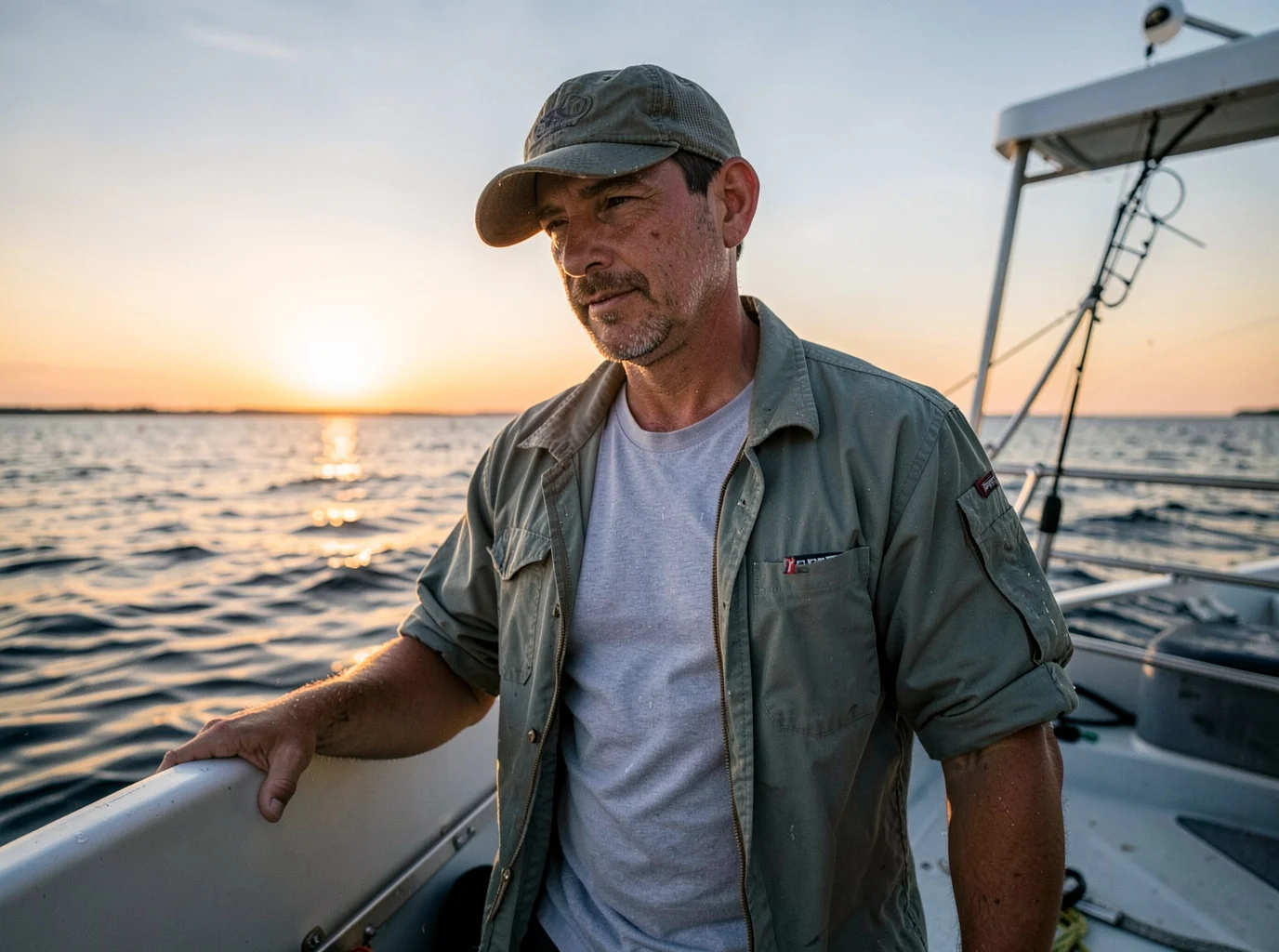
My go-to layer for 90% of trips is embarrassingly simple: a lightweight polyester undershirt, nothing fancy. That's it. That's the secret weapon.
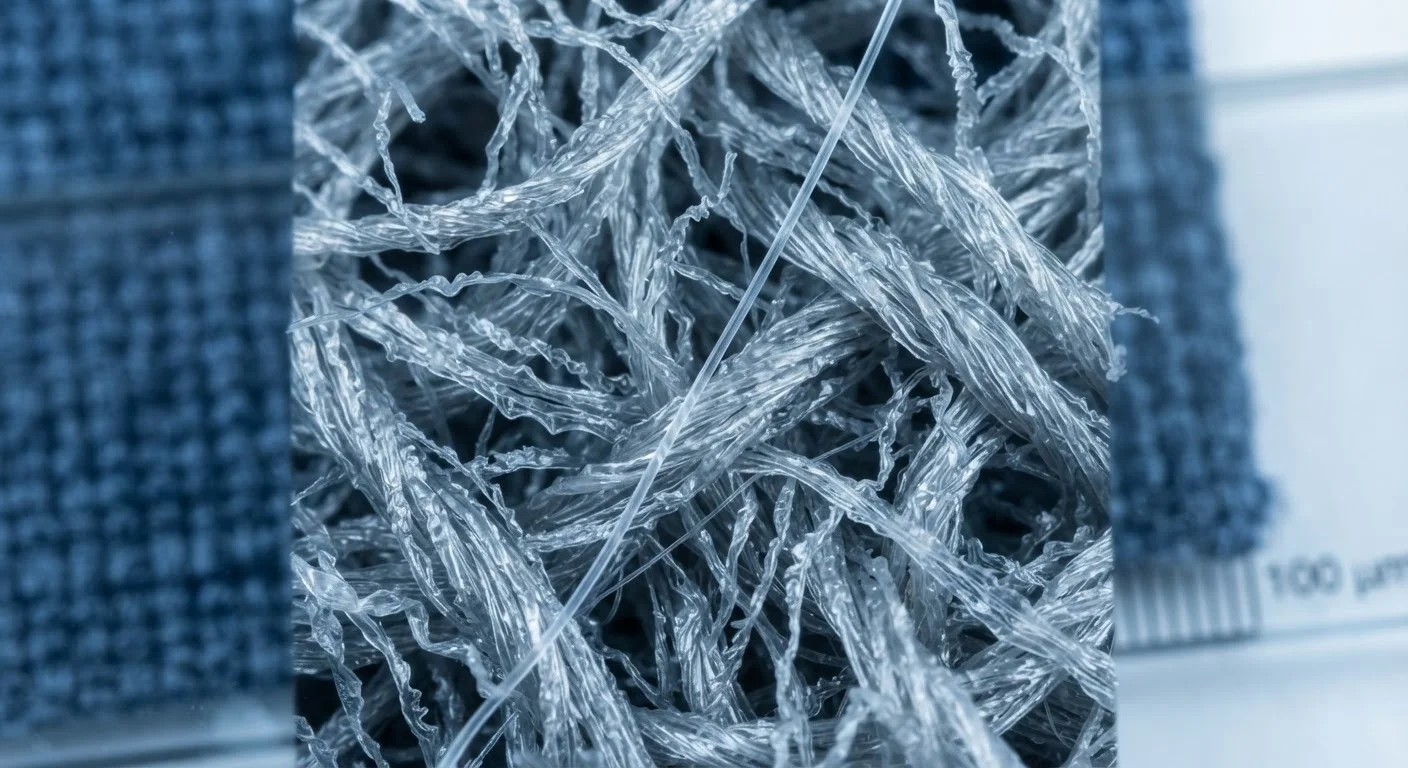
Here's why polyester wins over cotton every single time. Cotton soaks up sweat and holds it against your skin like a wet towel you can't take off. Polyester does the opposite. It pulls moisture away from your body and pushes it to the fabric surface where it can actually evaporate. This is the entire foundation of any solid fishing base layer clothing system.
What to look for on the tag:
Weight under 4.5 oz/yd² — anything heavier feels like you're wearing a jacket in July
Micro-channel or wicking knit construction for faster moisture transport
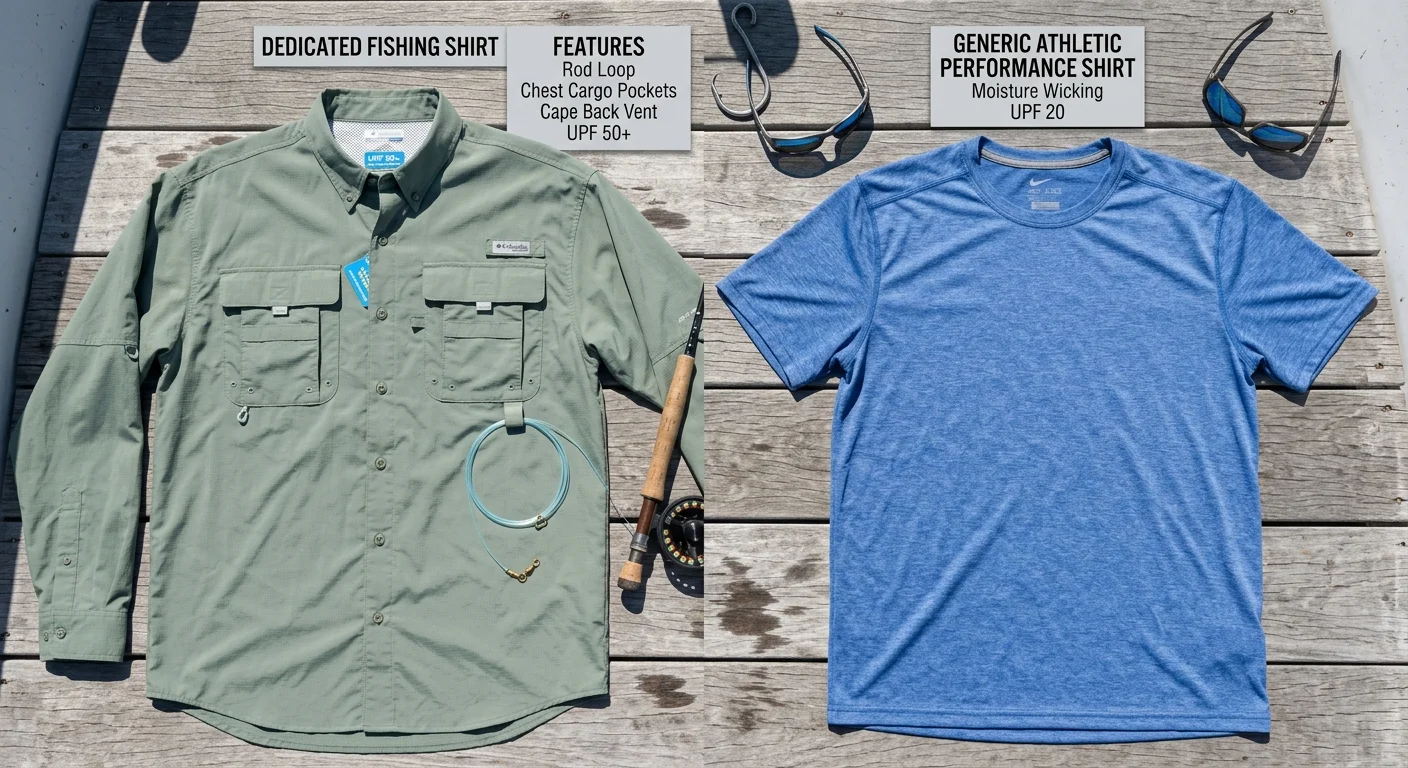
UPF 30 to 50+ rating if you want the undershirt doing double-duty as sun protection
Antimicrobial or odor-resistant treatment (your fishing buddies will thank you after day three)
I've timed this myself on the water: a quality quick dry undershirt fishing setup evaporates sweat within 10 to 20 minutes of getting soaked, sometimes as fast as 15 minutes in direct sun with a breeze. Compare that to a cotton tee, which stays clammy for hours.
Brands like Patagonia and AFTCO have leaned hard into this category, building moisture-wicking base layers specifically for anglers standing in the sun for six-plus hours. That's not marketing fluff — it's a genuine gap cotton can't fill.
One care note that matters: skip the fabric softener and bleach. Cold or warm wash, air dry when you can. It preserves both the wicking performance and the UV protection over time.
Wear a Thin Quick-Dry T-Shirt Under a Fishing Shirt in Hot Summer Weather
Summer flats fishing separates the smart layering from the lucky guessers. Standing in direct sun for six hours straight, your gear either works with you or against you.
For UPF fishing shirt layers in peak summer heat, weight matters more than most anglers realize. I look for fabric in the 120 to 160 GSM range . That's the sweet spot for fastest dry time. A reliable Fishing Shirt vendor can match GSM to climate.If you're fishing somewhere tropical like the Florida Keys, bump that up to 140 to 160 GSM , since heavier humidity needs a fabric that still evaporates fast even when the air itself is soaked.
Cooling features I won't compromise on:
Mesh back panels for airflow while you're bent over a cooler or leaning into a cast
Underarm gussets so your range of motion doesn't feel restricted
4-way stretch construction for all-day comfort
Lightweight interlock or microfiber knit in the 3 to 6 oz/yd² range
On sun protection, don't settle for anything under UPF 50+ . Some of the better blends, like an 88/12 polyester-spandex , dry in under 20 minutes flat in direct sunlight and block 98% of UV rays . That combination of fast-drying sweat wicking fabric fishing gear and serious sun protection is what kayaking, wading, and long open-water days demand.
Go Without an Undershirt Only When the Fishing Shirt Is Smooth and Breathable
Not every shirt earns the right to touch bare skin. Some do, though, and skipping the base layer works fine when the fabric itself is doing the heavy lifting.
Run the light test before you decide. Hold the shirt up to the sun. Smooth, matte, opaque material that glows faintly at the seams is built for true UPF 50+ performance without extra help underneath.
Fabric composition is the real gatekeeper here:
85–92% polyester with 5–8% nylon and 5–7% spandex is the benchmark blend for bare-skin comfort
Keep nylon under 30% — one factory guide flags this cutoff because drying performance drops fast past that point.An experienced Fishing Apparel factory can adjust fiber blends for faster drying.
Polyester absorbs just 0.4–0.8% moisture by weight , versus 4–4.5% for nylon , which explains why polyester-heavy shirts never feel clingy
Real-world examples fitting this profile: the World Wide Sportsman Quick-Dry Button-Down (62% polyester/33% nylon/5% spandex, UPF 50+) and the YETI Hooded Sunshirt . Dry time on these performance polyester builds runs 15–45 minutes , way faster than nylon-heavy shirts stretching 45–75 minutes .
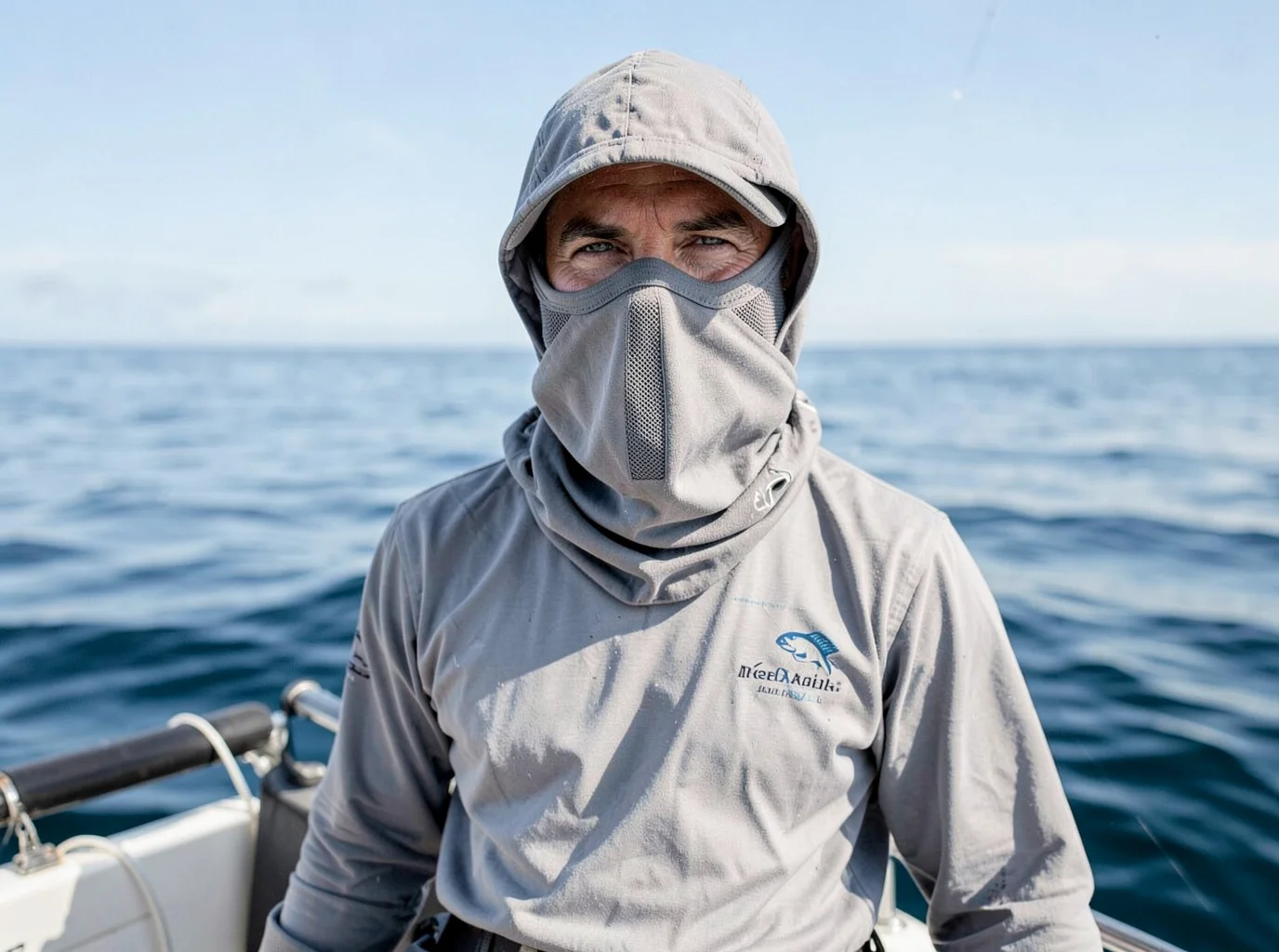
For open sun and steady wind, this smooth, ventilated sun protection clothing fishing approach beats layering every time.
Use a Merino or Synthetic Long-Sleeve Base Layer for Spring, Fall, and Cold Mornings
Before the sun climbs high enough to matter at 6 AM, most anglers either overdress and sweat through their gear by 9 AM, or underdress and lose feeling in their fingers before the first cast. The fix isn't complicated once you know the numbers.
Match the GSM to the temperature. Use a lightweight base layer around 120 g/m² for 50–59°F, a midweight around 180 g/m² for 41–50°F, and a midweight plus an outer shell for 32–41°F.
For genuine three-season versatility across 40°F–60°F, the 195–250 gsm range covers you without swapping gear every trip. If you're only buying one merino long-sleeve base layer, aim for 170–200 gsm. That number stretches across shoulder seasons and chilly mornings without leaving you either sweating or freezing.
Merino vs synthetic comes down to budget and use case. Brands can ask their fishing gear supplier for fabric samples first.Merino wins on versatility across temperature swings, but you'll pay for it. Quality merino fishing base layers run £60–90, while synthetic alternatives sit closer to £25–45. For example, the Devold Breeze 150 (lightweight, year-round) and Devold Breeze Plus 200 (midweight, adds real warmth) both land around £80–85. The Icebreaker Merino 200 Oasis Long Sleeve Crewe — 100% merino, 18.9 µm fiber, true 200 g/m² — runs $90–110. Smartwool's 150 series sits at $55–95, with their heavier 250 options pushing past $110.
Grab 130–170 gsm for high-output spring and fall days when you'll warm up fast. Go 180–200 gsm for daily cold-morning layering. Reach for 200–250 gsm only when mornings stay consistently cold or you're standing still more than casting.
Choose the Base-Layer Fabric by Heat, Sweat, and Skin Sensitivity
Three fabrics dominate serious fishing base layers, and each one solves a different problem. Get the match wrong, and you'll spend your trip either overheating or scratching at your collar.
Polypropylene is the speed champion. It absorbs 0% moisture regain, meaning sweat has nowhere to go but away from your skin. For anglers standing in blazing heat casting all day, this is the fastest-drying option on the market. Some premium base layers even build a polypropylene inner face with a merino outer face, giving you rapid moisture transport underneath and comfort on top.
Polyester sits right behind it. It's slightly slower to dry than polypropylene, but budget-friendly and genuinely versatile. This is your workhorse fabric for high-output days, when you're casting repeatedly, wading through current, climbing in and out of the boat.
Merino wool plays a different game entirely. It absorbs up to 30% of its weight in moisture before it even starts feeling wet, and it keeps insulating even when soaked. That's why merino wins for cold mornings with variable output, when you're alternating between casting hard and standing still.
Skin sensitivity changes the math. Fiber fineness matters here. A specialized Fishing Apparel manufacturer can develop softer next-to-skin fabrics.Anything around 20–23 microns can irritate sensitive skin, especially at friction zones like the collar and underarms. If you have eczema or reactive skin, reach for superfine merino over rough synthetic weaves.
Across all three fabrics, the rule is fit snug. Loose base layers can't wick effectively because they're not maintaining skin contact. Cotton, for comparison, fails this entire system. It holds moisture instead of moving it, making it the weakest choice for any sweat-heavy day on the water.
Use a Smooth, Close-Fitting Layer to Prevent Chafing Under Straps and Life Jackets
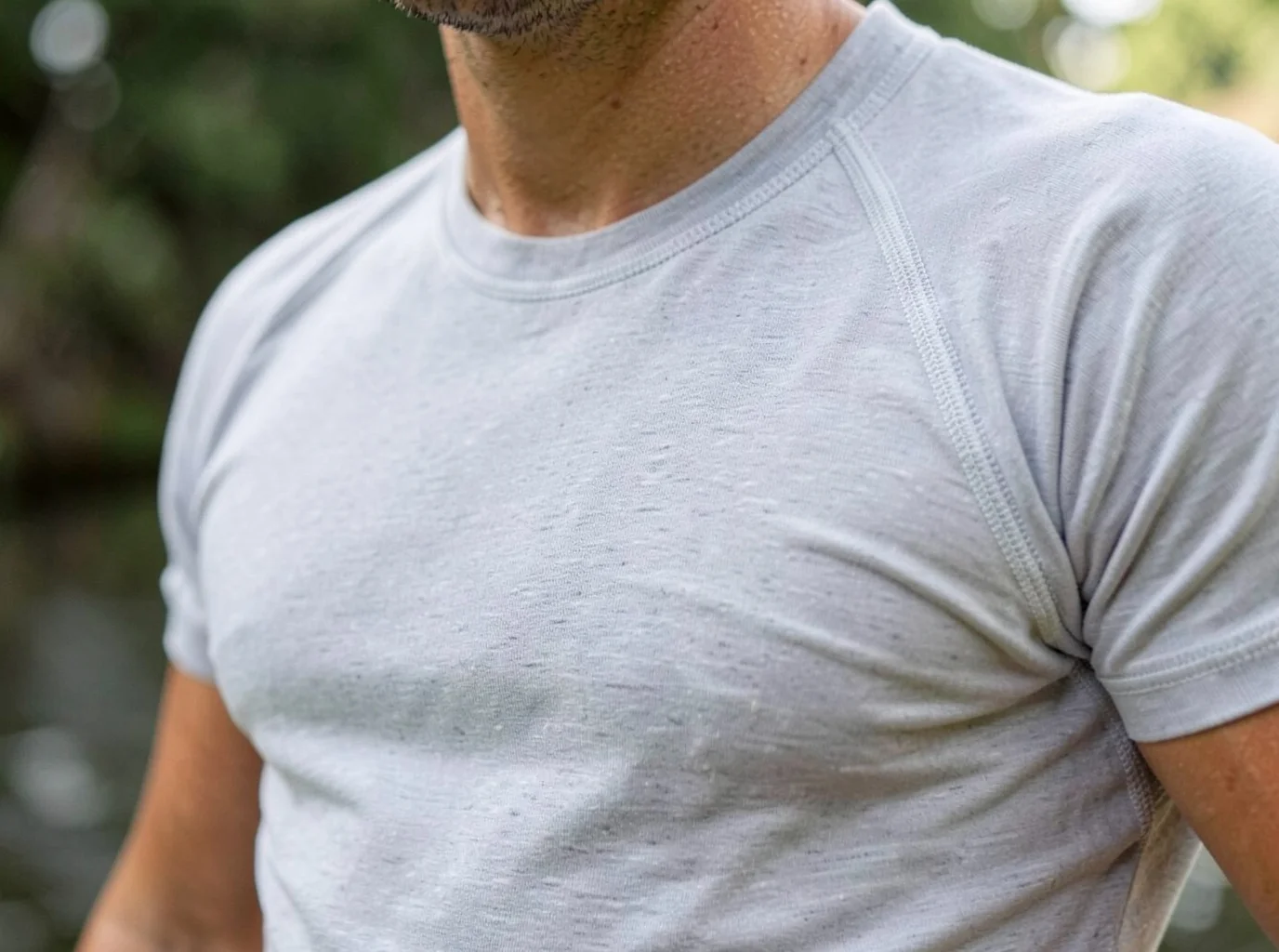
PFD straps don't forgive bad fabric choices. Anyone who's fished a full day in a life jacket with the wrong layer underneath knows the raw, red streaks that show up by the boat ramp.
Construction is what stops chafing. Seam-free or flatlock-stitched tops are most important under PFDs. Regular seams sit right at contact points and saw against your skin with every paddle stroke or rod lift. Flatlock construction lies flush against the body instead, so there's nothing raised to rub.
Fit matters. You want close-fitting and snug, but never restrictive. Anything loose enough to bunch under a shoulder strap turns into a pressure point within an hour on the water.
For this, two garment types work reliably. Rash guards are stretchy, UPF-rated, and built with flat seams specifically to reduce chafe under buoyancy gear. Compression shirts have a second-skin fit that eliminates bunching entirely.
Stick to 150–200 g/m² polyester or merino, or a polyester-nylon-spandex blend. For stubborn hot spots at the underarms or strap contact zones, an anti-chafe balm adds a smooth barrier fabric alone can't provide. And fit your PFD over whatever base layer you're actually wearing, not the other way around.
Avoid These Common Fishing Shirt Layering Mistakes
I've watched more anglers sabotage a good day on the water with layering errors than bad casts. Here's what trips people up most.
Bundling up before you even launch the boat. You're cold at 6 AM, so you pile on three layers. By 8 AM you're drenched and freezing when the wind hits your wet skin. Start cool. Add layers as needed, not before.
Ignoring wind chill. A calm 40°F morning and a windy 40°F morning are two different animals. Your outer shell needs to block wind, not just add warmth. A windproof softshell or waterproof/breathable shell fixes this.
Choosing dark colors in summer sun. Black and navy soak up heat. Stick with white, gray, khaki, or sage for anything under direct sun.
Zero ventilation. Even a light jacket traps heat without zip vents or breathable panels.
Skipping spare gloves and socks. Wet extremities lose insulation fast. Pack a spare pair in a zip-lock bag.
The layering system serious anglers come back to most: UPF 50+ long-sleeve shirt, a light insulating mid-layer, and a wind or rain shell. Simple, proven, and it works.
Match the Fishing Shirt Layering System to the Day’s Conditions
Temperature dictates everything here, and the anglers who fish year-round follow the same three-layer logic: a base layer to manage moisture, a mid layer for warmth, and an outer layer to block wind and rain. Skip a piece, and the whole system falls apart the moment conditions shift.
Here’s how temperature breaks down:
70–95°F: Just a UPF 50+ long-sleeve or short-sleeve sun shirt. No mid layer needed. If you’re on open water, pack a light windbreaker in case the spray picks up.
45–70°F: Add a moisture-wicking long sleeve as your base, then a fleece pullover or vest. Bring a light windproof or waterproof shell if the forecast looks unstable.
32–45°F: Now you’re building real insulation. Synthetic or merino base layer, fleece or insulated mid layer, and a rain shell or heavy-duty outer layer on top.
Below 32°F: Full winter setup. Thermal base layer, insulated fleece or down, and a waterproof outer shell to seal everything in.
50°F is the number to remember. Most fishing guides treat it as the pivot point: below it, you’re building warmth; above it, sun protection becomes the bigger concern. Once you cross 60°F, layering for warmth stops mattering.
Two rules override the temperature chart every time. If there’s wind or boat spray, throw on a windproof outer layer even when it feels mild. If rain or snow is even a possibility, your outer layer needs to be waterproof.
For 45–70°F days, that means an Air-O Mesh base with a Reaper Fleece mid and Reaper Windproof outer. Once temps drop into the 30s and 40s, switch to a Samurai base with Forge mid and Hydronaut Heavy Duty outer.
Conclusion
After enough sweaty days on the water, the answer stops being a guessing game. What you wear under a fishing shirt comes down to three simple calls: a moisture wicking undershirt for most standard trips, a thin quick-dry layer when the sun turns brutal, and a merino or synthetic fishing base layer clothing option once mornings turn cold. Skip cotton, skip guessing, and skip the chafing that ruins an otherwise good day on the boat.
Your fishing shirt is only half the system — the layer underneath decides whether you're comfortable at hour six or peeling off a soaked shirt at hour two. Match your base layer to the day's heat, sweat level, and skin sensitivity, and you'll fish longer without thinking about your clothes at all.
Next time you're gearing up, grab a breathable undershirt for fishing built for the conditions you're actually facing — not just whatever's in the drawer. Your skin (and your focus on the fish) will thank you.Request a custom wholesale price for Fishing shirts for larger orders.