You bought the waders. You hit the water. Then somewhere between the slippery rocks and hour three in a cold mountain stream, something felt off . Your feet were sliding. Your legs were sweating. Or your wading boots felt like they belonged to someone else. Sound familiar?Choosing custom fishing waders tailored to your terrain and fit can prevent this mid-stream misery.
Here's the real issue: picking fishing waders with boots already attached (bootfoot) versus separate breathable stockingfoot waders paired with dedicated wading boots is more than a gear preference. It's a choice that decides whether you fish with ease — or spend the day fighting your own equipment.
Most comparison guides hand you a feature list and stop there. This one goes furthernly a trusted bootfoot and stockingfoot fishing waders manufacturer understands how to integrate breathable fabric with durable boot soles for peak performance.
What you'll find here:
A scene-by-scene breakdown across six real fishing environments
A full, honest total cost analysis
A 3-minute self-assessment that points you to the right style — before you spend a dollar
Real-World Decision Matrix: Clear Recommendations for 6 Fishing Environments
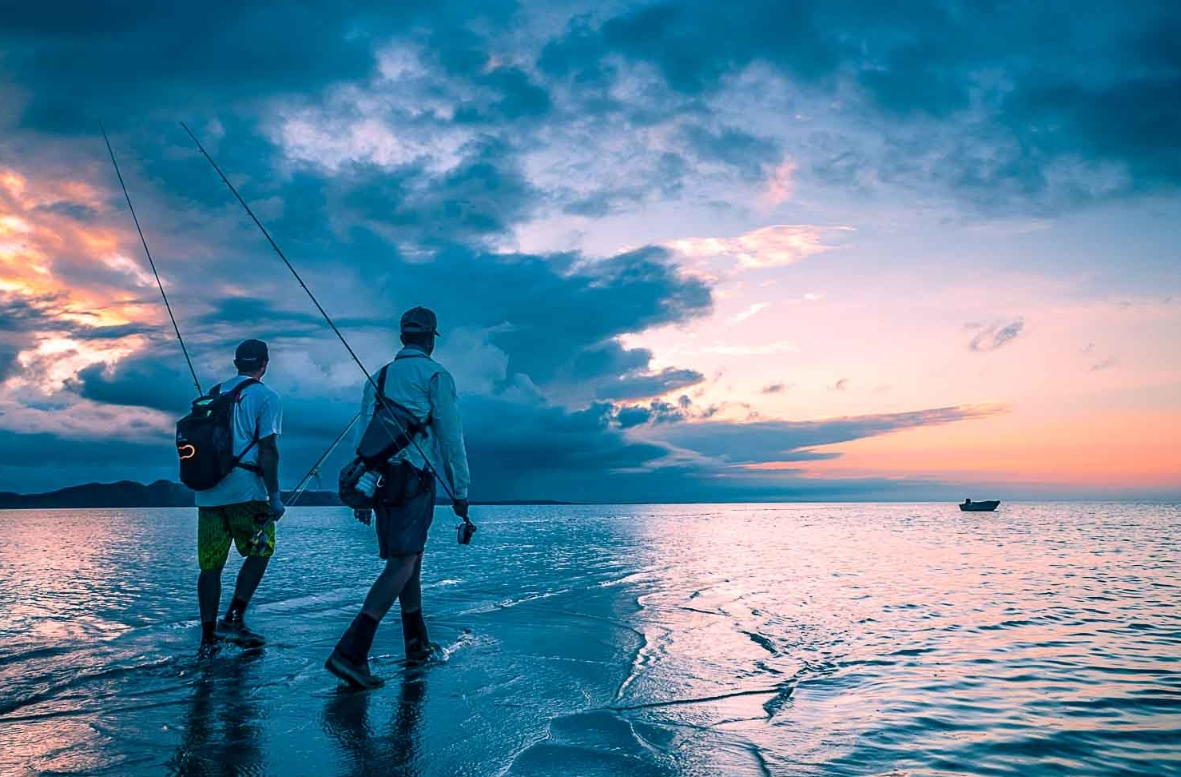
Six environments. Two wader styles. Zero ambiguity.
That's the goal of this section. Not "it depends" — actual verdicts you can act on today. Based on what the water demands of your body, your footwear, and your gear.
Let's break it down environment by environment.
🎣 Scene 1: Moving Streams & Rocky Creek Fly Fishing
Verdict: Stockingfoot waders + dedicated wading boots. Every time.
Rocky creek fly fishing is where bootfoot waders go to struggle. The terrain punishes rigid, pre-attached rubber soles. You need ankle support that flexes with uneven footing. You also need a sole you can choose yourself — felt, rubber lug, or studded — based on the rock type beneath your feet.
Breathable stockingfoot waders paired with proper wading boots for stockingfoot waders give you that choice. Felt sole wading boots outperform rubber on algae-covered limestone. Rubber lug soles take over on granite scrambles. You lose that option the moment the boot is sewn to the wader.
Here's what most guides skip: ankle roll injuries in stream wading show up far more often in bootfoot users. The attached boot lacks the lateral support a lace-up wading boot provides. By hour four on a mountain stream, that gap is real — it's the difference between moving with control and fighting every single step.
Bottom line: Stockingfoot wins. The terrain demands it.The terrain demands it. Many experienced anglers buy from a specialized fishing waders supplier that offers interchangeable boot sole systems for different stream conditions.
🎣 Scene 2: Lake & Reservoir Bank Fishing
Verdict: Bootfoot waders — neoprene bootfoot waders for cold-water lakes.
Lake and reservoir bank fishing is a different game. You're standing in soft substrate — muddy or silted ground. No scrambling over rocks. Just waiting. Sometimes for hours.
This is where chest waders with boots attached prove their worth. Setup is fast — pull them on, walk to the bank, fish. No separate boots to lace. No gravel guards to adjust. In cold-water reservoir situations, insulated bootfoot waders or neoprene bootfoot waders keep your feet warm without stacking socks under wading boots.
The tradeoff? Packability takes a hit. But lake bank anglers don't hike long distances. That's not what this setup is built for.
Bottom line: Bootfoot wins. Convenience and warmth beat traction options on flat, soft ground.
🎣 Scene 3: Coastal Surf Fishing
Verdict: Rubber boot waders (bootfoot), with one major caveat.
Surf and coastal fishing brings saltwater, sand, and constant wave action. Rubber boot waders — the classic bootfoot design — handle saltwater exposure well. They're easier to rinse, need no separate boot cleaning, and the sealed build stops sand from grinding into seams.
The caveat: fishing rocky coastal structure like jetties or reef edges? Switch to stockingfoot with aggressive rubber lug wading boots. Wet rock plus a smooth-soled rubber boot wader is a dangerous mix.
On sandy surf? Bootfoot is faster, simpler, and holds up to saltwater punishment better over time.
Bottom line: Bootfoot wins on sandy surf. Stockingfoot wins on rocky coastal structure. Know your specific beach.
🎣 Scene 4: Winter Ice-Edge & Cold Weather Peripheral Fishing
Verdict: Insulated neoprene bootfoot waders — not even close.
Sub-freezing temps. Ice-off lakes. Late-season rivers. Heat retention becomes the top priority. Insulated bootfoot waders — 5mm neoprene bootfoot designs in particular — trap body heat in a way no breathable stockingfoot wader and separate boot combo can match without heavy layering.
Stockingfoot setups in near-freezing conditions need neoprene wading socks plus insulating boot liners plus the right boot. It's a layering puzzle that even experienced cold-weather anglers get wrong. A quality neoprene bootfoot wader cuts through all that complexity.
Bottom line: Bootfoot wins — and it's not close. Heat efficiency in extreme cold is non-negotiable.
🎣 Scene 5: Soft-Bottom Muddy Rivers & Tidal Flats
Verdict: Bootfoot waders with tall, stiff-shaft boots.
Mud bottom fishing has one specific problem: suction. Every step in deep silt pulls a vacuum around your foot. With stockingfoot waders, that force yanks on a boot held in place by laces and gravel guards alone. Boot-off incidents in deep mud happen more than the fly fishing community admits.
Fishing waders with boots attached cut that risk out. The boot is part of the wader structure. There's nothing to pull free. Taller shaft designs also block mud from spilling over the boot entry — something a shorter wading boot fails at regularly.
Bottom line: Bootfoot wins. The physics of mud suction favor the integrated design.
🎣 Scene 6: Backcountry Hike-In Fishing
Verdict: Breathable stockingfoot waders — the only practical choice.
Three miles of trail before you see water. Your fly fishing waders boot type choice has direct consequences for your knees and back. Breathable stockingfoot waders compress into a stuff sack. Wading boots strap to the outside of your pack. The total packed volume is a fraction of any bootfoot system.
Past the packability point: breathable stockingfoot waders handle shifting conditions across a full day — forest approach, stream wading, lunch on a sunny bank. Neoprene bootfoot waders will have you overheating well before you reach the water.
Bottom line: Stockingfoot wins. Hike-in fishing punishes weight and bulk without mercy.
The Scene-by-Scene Verdict at a Glance
Fishing Environment | Recommended Style | Key Reason |
|---|---|---|
Rocky stream / fly fishing | ✅ Stockingfoot | Traction customization + ankle support |
Lake / reservoir bank fishing | ✅ Bootfoot | Convenience + warmth on soft substrate |
Sandy surf / coastal fishing | ✅ Bootfoot | Saltwater durability + simple setup |
Winter / ice-edge fishing | ✅ Bootfoot (neoprene) | Thermal retention, no layering puzzle |
Muddy river / tidal flat | ✅ Bootfoot | Mud suction resistance |
Backcountry hike-in fishing | ✅ Stockingfoot | Packability + temperature regulation |
The pattern is clear. Bootfoot waders take over in static, cold, or straightforward terrain. Stockingfoot waders take over in technical, mobile, or shifting conditions. Match your main fishing scenario to that framework — and you've already made the right call.
Total Cost of Ownership: Bootfoot vs Stockingfoot — The Numbers Most Guides Never Show You
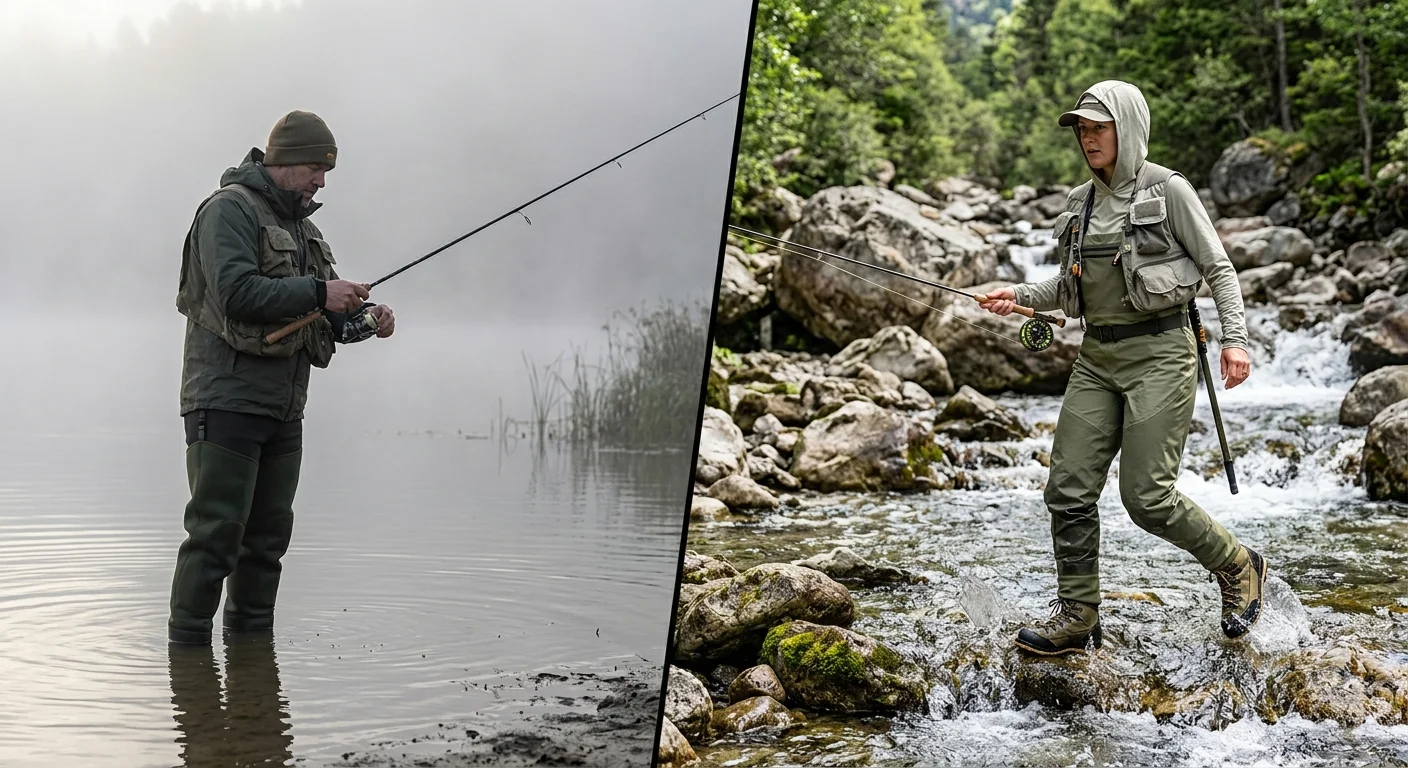
Let's talk money — the full financial picture that never appears on any product page.
Most anglers calculate gear cost as: price tag = total cost . That's wrong. The real number includes replacement cycles, sole upgrade expenses, fatigue-driven losses, and one cost nobody warns you about. That last one? Paying full price for a new bootfoot setup because a worn-out sole took the whole system down with it.
Here's the complete breakdown.Many top brands rely on OEM/ODM fishing waders partners to maintain consistency across wader designs and boot attachments.
Initial Purchase Price: Where the Two Systems Stand
The price gap between bootfoot and stockingfoot systems isn't as wide as most people assume.
Bootfoot waders (mid-range): $250–$450. High-end options like the Simms G3 Guide Bootfoot push $700–$800 — boots included.
Stockingfoot + wading boots (mid-range combo): $250–$350 for breathable stockingfoot waders, plus $150–$250 for dedicated wading boots. Total: $400–$600 .
At the high end, a Simms G4Z stockingfoot plus G3 Guide Boots runs $850–$1,250 combined. That's about 10–30% more than a comparable bootfoot setup at the same tier.
Takeaway: Same mid-range budget? The initial cost difference is smaller than you'd expect. The real divergence happens over time.
5-Year Cost Projection: Moderate Use (40 Days/Year)
Here's a side-by-side calculation for a typical angler fishing around 40 days per year — 200 days over five years.
Cost Factor | Bootfoot (Mid-Range) | Stockingfoot Combo (Mid-Range) |
|---|---|---|
Initial purchase | $350 | $300 (waders) + $200 (boots) = $500 |
Replacement cycle | Full system at ~Year 4: +$350 | Boots at ~Year 3: +$200 |
5-Year TCO | ~$700 | ~$700 |
Cost per fishing day | ~$3.50/day | ~$3.50/day |
The math lands in the same place. At moderate use and mid-range pricing, neither system wins on pure cash outlay over five years.
What does differ: how that money gets spent.
With bootfoot, you pay in larger, less predictable chunks. A full system goes out the door the moment the integrated rubber boot wader fails. With stockingfoot, costs spread out more evenly. Wading boots wear faster than the wader itself. So you replace them every 2–4 years while your breathable stockingfoot waders keep running.
10-Year Cost Projection: Heavy Use (100 Days/Year)
This is where the numbers shift. Professional guides and serious fly fishing anglers should pay close attention here.
Bootfoot (high-end, heavy use):
- Estimated lifespan per setup: ~2.5 years at this intensity
- 10-year replacements: ~4 full systems × $750 = $3,000
- Cost per fishing day: ~$3.00
Stockingfoot combo (high-end, heavy use):
- Wader lifespan: ~3 years → 3 full sets × $800 = $2,400
- Boot lifespan: ~2 years → 5 pairs × $300 = $1,500
- 10-year TCO: ~$3,900
- Cost per fishing day: ~$3.90
At maximum intensity, chest waders with boots attached carry a lower cost-per-day. That might seem like a clear win — but there's a catch. High-end neoprene bootfoot waders come in fewer models with more limited sizing. Your replacement options are narrower. Your preferred fit might not be in stock. You wait.
The Hidden Costs Nobody Puts in a Spreadsheet
Sole replacement — the bootfoot trap. With most rubber boot waders, a worn sole ends the whole unit. There's no resole option. That sole wears out and you're looking at a full-system replacement cost — $350–$800 depending on your tier. Stockingfoot wading boots work differently. A cobbler can resole them for $60–$100. Or swap in Vibram and felt soles based on the terrain you're fishing.
Fatigue cost. Insulated bootfoot waders are heavier. Cover 5–10 km of mixed terrain in a day and that weight builds into real physical fatigue. On guided trips or tournament days where every effective fishing hour counts, that efficiency loss adds up — even though it never shows on a purchase receipt.
Multi-use value. Wading boots for stockingfoot waders pull double duty — light trail approaches, boat decks, marsh work. That extra use spreads the per-day fishing cost across more activities. Bootfoot gear can't do the same.
The Bottom Line on Total Cost
For casual to moderate anglers (under 50 days/year): the 5-year cash outlay is close to identical. Base your choice on your fishing scenario, not your wallet.
For heavy users and guides (80+ days/year): bootfoot edges ahead on pure cost-per-day math. But that holds true only in cold-water or saltwater conditions where the insulated bootfoot wader's strengths actually matter. In technical stream environments, the hidden costs of sole inflexibility and added fatigue cancel out that advantage.
The smartest financial decision isn't "which costs less to buy." It's "which system fails where you can afford it to fail ."
Field-Tested Warning Guide: 5 Easily Overlooked Traps When Buying and Pairing Waders
Five years of gear reviews. Dozens of angler interviews. One pattern keeps showing up: the most expensive wader mistakes don't happen at checkout. They hit three months later — standing in a river, knowing the gear you bought was wrong for how you fish.
Standard gear guides almost never cover these five traps. That's why so many anglers keep falling into them.
Trap #1: Bootfoot Waders Have No Resole Option — And That Sole Will Wear Out First
This is the single most underestimated long-term cost in the entire fishing waders with boots category.
With rubber boot waders , the integrated sole is not replaceable on most models. Traction wears down on rocky stream beds and gravel bars — and it wears down faster than the wader material itself. That's not a $60 cobbler fix. You're replacing the entire system. That means another $350 to $800 depending on your tier.
Breathable stockingfoot waders paired with separate wading boots for stockingfoot waders work differently. A worn-out boot sole gets resoled by a cobbler for $60–$100. Or swap in a fresh pair of boots while your wader body keeps going. The two components fail on different timelines. You replace each one on its own schedule.
The rule to keep: With bootfoot, the weakest component decides when everything gets replaced. With stockingfoot, each part ages on its own clock.Specialty shops often source from a fishing apparel wholesaler that stocks both bootfoot and stockingfoot setups to meet seasonal demand.
Trap #2: Stockingfoot Sizing Looks Simple — Until Your Ankle Pays the Price
Most anglers pick wading boots for stockingfoot waders the same way they pick trail runners: match your regular shoe size, done. That logic breaks down fast.
Wading boots are built to fit over neoprene wading socks, wool socks, or neoprene booties — sometimes all three in cold conditions. Size your boots to your bare foot, and you get two specific problems:
Heel lift — the boot doesn't lock your heel down. That creates a rubbing cycle that produces blisters within two hours.
Ankle instability — a loose wading boot on an uneven riverbed is a turned ankle waiting to happen.
Here's the right move: put on the exact sock combination you'll fish in, then size up at least one full size from your street shoe. Buying online? Size up and check the brand's wading sock compatibility notes.
Gravel guards waders add another layer to this. A gravel guard cinched too tight over a snug boot cuts off blood flow. Too loose, and sand grinds into the neoprene bootie seam all day. Get the boot fit right first — the gravel guard fit sorts itself out from there.
Trap #3: Neoprene Bootfoot Waders in Summer — The Heat Problem Nobody Warns You About
Neoprene bootfoot waders are built for cold weather, and they do that job well. But marketing materials skip over what 5mm neoprene feels like on a June morning with air temps hitting 75° f before 9am.
Short answer: suffocating.
Neoprene doesn't breathe. It traps body heat — that's the whole point. In winter, that's exactly what you want. In spring or summer, that same heat-trapping turns your legs into a slow cooker. Fatigue sets in fast. Focus drops. You leave the water early — not because the fishing slowed, but because the heat baking up from your boots makes another hour impossible.
Insulated bootfoot waders and neoprene bootfoot waders are cold-weather tools, full stop. Season runs April through October? A breathable stockingfoot setup isn't just more comfortable — it's the difference between four productive hours and eight. Match insulation to your water temperature, not to the coldest day you might face once or twice a year.
Trap #4: Fly Fishing Waders Boot Type Affects Your Cast — Most Anglers Never Connect These Two
This one surprises people every time.
Heavy insulated bootfoot waders add 3–6 lbs of system weight over a lightweight breathable stockingfoot setup. Carry that extra weight for a full day, and it changes how you stand, how you plant your feet, how you pivot. Your lower body platform gets less stable on every long cast.
A tired, unstable lower body produces an inconsistent casting stroke. Line speed drops. Loop control gets sloppy. You start compensating with your arm and shoulder, which burns out your upper body faster. By hour five, you're not fighting the fish — you're fighting the gear.
Breathable stockingfoot waders with lightweight wading boots cut that drain. Experienced guides who've done full-day fly fishing waders boot type comparisons report better casting consistency in the final hours with lighter stockingfoot systems. The wader choice isn't just about comfort — it's about how well you perform at the end of the day.
Trap #5: Chest Waders With Boots Attached Seem Faster — Until They're Not
The quick-setup appeal of chest waders with boots attached is real. Pull them on, walk to the bank, fish. No lacing. No adjusting gravel guards. Five minutes from car to water.
That speed comes with a hidden cost: zero adaptability on the water.
Conditions shift mid-session? Rocky riffle section downstream instead of the muddy flat you started on? You're locked into whatever sole your bootfoot came with. Hit unexpected saltwater runoff mixing into a tidal flat? Your neoprene bootfoot wader takes that exposure differently than a sealed rubber system would.
Stockingfoot waders let you carry a second pair of boots — felt sole in the bag, rubber lugs on your feet — and swap based on what the water shows you. On longer sessions or multi-environment days, that flexibility is worth real money.
The bottom line: Same water, same substrate, same conditions every day? Bootfoot's simplicity wins. Your day evolves — and most fishing days do — stockingfoot's modularity is the smarter call.
Quick Reference: The 5 Traps at a Glance
Trap | Affects | Fix |
|---|---|---|
No resole on bootfoot | Long-term cost | Build sole replacement into your TCO from day one |
Stockingfoot boot sizing | Ankle comfort + stability | Size up with your actual fishing sock stack |
Neoprene heat in warm seasons | Endurance + fishing hours | Match insulation to water temp, not air temp |
Boot weight affecting casting | Performance over long sessions | Test full system weight before committing |
Bootfoot inflexibility mid-session | Adaptability | Carry a spare boot type if terrain shifts during your day |
Avoiding these five mistakes won't just save you money. It saves you the grinding frustration of standing mid-river, miles from the car, knowing your gear was working against you the whole time.
3-Minute Self-Assessment: Find Your Exact Wader Type Right Now
Four questions. That's all it takes.
Answer based on how you fish right now — not how you plan to fish someday. Be honest with yourself. The right wader style will be clear. No second-guessing. No buyer's remorse six months down the road.
Question 1: How deep do you wade on a typical trip?
A — Ankle to mid-shin (shoreline, tidal flats, shallow lake banks)
B — Knee-deep (most stream and river fishing)
C — Thigh to waist-deep (fast-moving rivers, deep crossings)
Question 2: What's your primary fishing environment?
A — Lake banks, reservoirs, calm coastal surf
B — Streams, creeks, rocky riverbeds
C — Backcountry rivers, hike-in destinations, mixed terrain days
Question 3: What's the ground beneath your feet like?
A — Soft, muddy, or sandy bottom — stable and predictable
B — Rocky, uneven, algae-covered — technical and variable
C — Changes throughout the day — you never know what's next
Question 4: Do you fish in cold conditions?
A — Year-round, including sub-freezing temperatures
B — Mild seasons with some cold days mixed in
C — Spring through fall — warm-weather fishing
Your Result
Mostly A's → Bootfoot Waders
Flat or soft ground. Fixed fishing positions. Cold or coastal conditions. You don't need a modular setup — you need something reliable and warm. Neoprene bootfoot waders or insulated bootfoot waders are the right call. Pull them on and fish.
Mostly B's → Stockingfoot Waders + Dedicated Wading Boots
Rocky, technical terrain needs solid traction. Breathable stockingfoot waders paired with proper wading boots for stockingfoot waders give you full control over sole choice. Felt soles grip algae-slicked limestone. Rubber lugs handle granite scrambles. Your ankles stay stable. Your confidence on the water goes up.
Mostly C's → Stockingfoot, No Question
Variable terrain. Long days. Conditions that shift on you. Breathable stockingfoot waders adapt to changing ground without locking you into one sole type. Pack a second boot option for tough transitions. Your fly fishing waders boot type choice matters more than most anglers think — lighter, more adaptable gear keeps you sharp deep into hour seven, when fatigue hits and footing gets sloppy.
Mixed answers? Go with your most technical scenario. Gear built for the hardest condition you'll face handles easier ones just fine. The other way around never works.
Conclusion
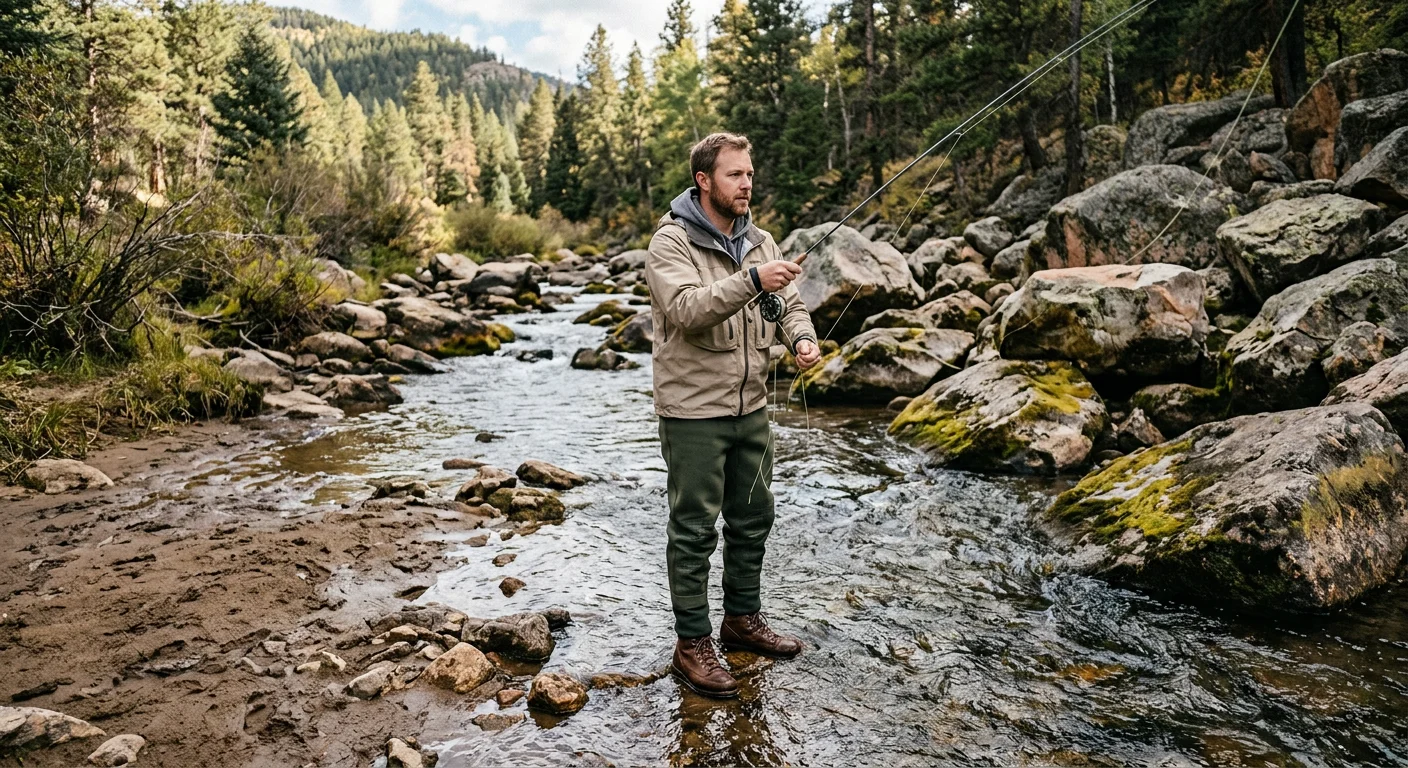
Here's what most fishing gear guides won't tell you: there's no single "better" wader. There's the right wader for your water — and that's it.
Hiking rocky mountain streams after cutthroat trout? Breathable stockingfoot waders paired with quality felt sole wading boots will beat any bootfoot setup. No contest. Standing knee-deep in a muddy reservoir at 6 AM in January? A pair of insulated bootfoot waders keeps you warm and fishing. Your buddy, meanwhile, is still fighting frozen laces.
The choice comes down to three things:
Your terrain — what water you fish most
Your budget over time — not just the upfront cost
Your priorities — convenience or peak performance
Don't guess. Use the scenario matrix and self-assessment quiz in this article. Pick your wader type with confidence.
Spend less time second-guessing your gear. Spend more time fishing.Check the fishing waders wholesale price if you're outfitting multiple anglers — buying in bulk can save hundreds without compromising quality.
That's what this was always about.