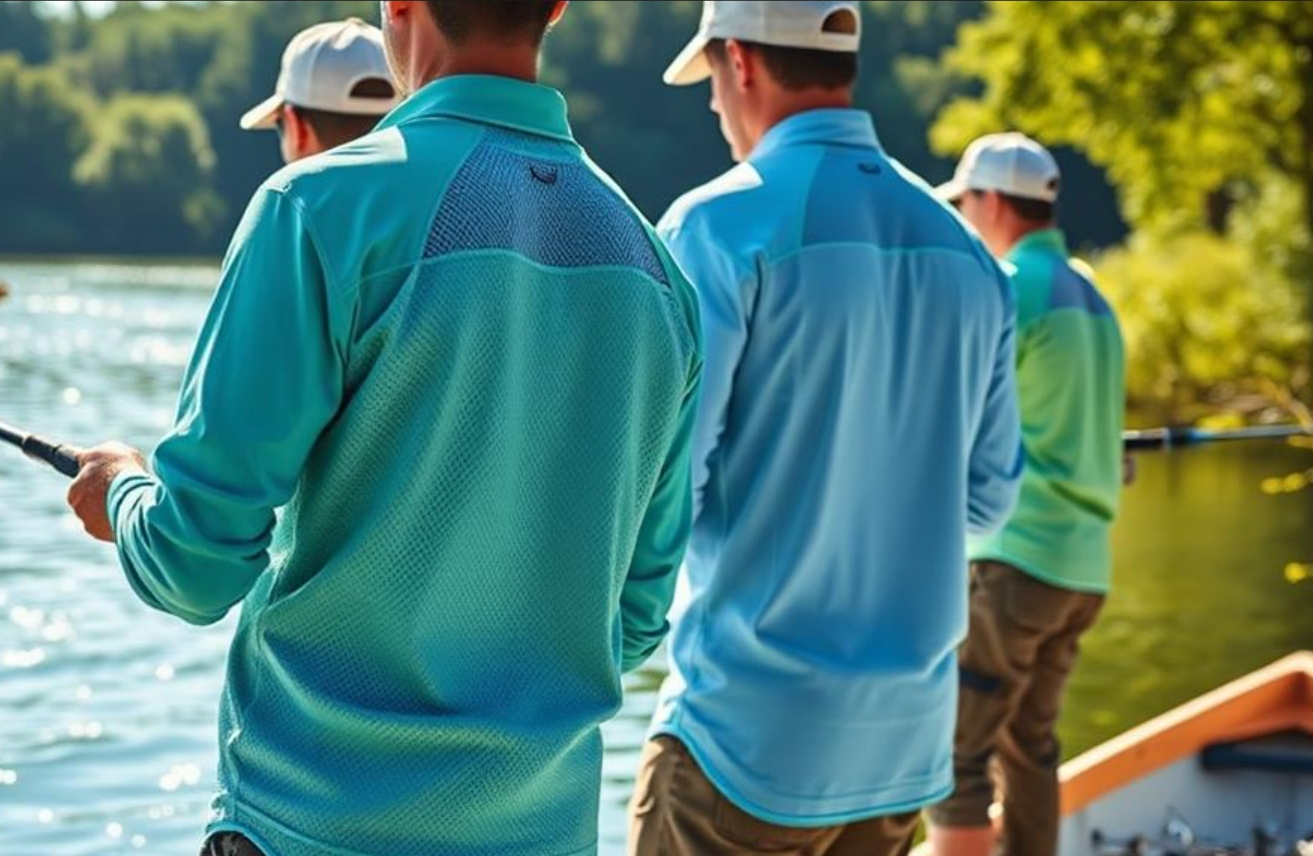
Picture this — zero checked bags, zero carry-on fees, zero stress. All because you're wearing a fishing vest packed like a supply closet. Sounds ridiculous, right?
Yet thousands of travelers are pulling off this exact hack.Some travel gear brands have even explored custom multi-pocket fishing vest designs specifically aimed at maximizing personal-item capacity for frequent flyers. They stuff fishing vests with laptops, cables, snacks, and clothing — and airlines don't bat an eye.
So the real question: can a fishing vest replace a carry-on bag for air travel , or does this internet trick fall apart at the gate?
That question deserves a real test. We're talking real traveler experiments, TSA rules, airline fine print, and the hard limits of pocket volume — all before you show up at security wearing 14 pounds of vest.
How the Fishing Vest Carry-On Hack Works on Airlines
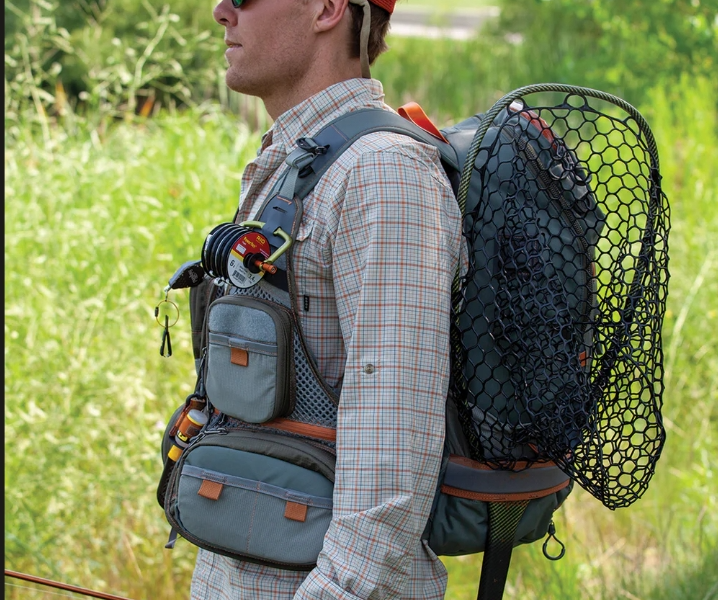
Airlines have a loophole hiding in plain sight — and it's been stitched into a $25 piece of fishing gear.For outdoor apparel supplier companies, this unexpected travel use case has become an interesting example of how functional garments can serve multiple markets.
Here's the core mechanic: airlines police bags , not garments . Wear a fishing vest through check-in, security, and boarding. It counts as clothing. Not luggage. Not a carry-on. Just clothing. That one distinction is what makes the whole hack work.
Budget airlines like Spirit, Frontier, and Ryanair — plus basic economy fares on major carriers — allow one free personal item (your small backpack or purse). A carry-on bag in the overhead bin? That'll cost you $30–$90 each way . Round trip, you're looking at $60–$180 gone before you've touched your tray table.
The fishing vest skips that fee.
A Business Insider reporter tested this on a JetBlue Blue Basic ticket — a fare class that restricts passengers to one personal item only. She wore an 18-pocket fishing vest loaded with:
A laptop and a book (rear game pocket)
Two bathing suits and a full makeup bag (large front pockets)
AirPods, chargers, sunglasses, contact case, and snacks (smaller and inner pockets)
Her backpack handled the remaining clothes and shoes. She walked through check-in, security, and boarding. Nobody stopped her. Nobody counted the vest as an extra item.
The airport process is simple:
Check-in : Wear it. It looks like an outfit, not a bag.
Security : Place it in the bin like a jacket, or keep it on through the scanner.
Boarding : Walk on with the vest and your one personal item. Done.
One thing worth noting — stuff the vest too full and it starts looking like a lumpy duffel coat rather than clothing. A gate agent could flag it. The hack works best when you're smart about it, not obvious.
Real-World Tests and Traveler Case Studies
Travelers have done this. Several travel and outdoor brands working through OEM/ODM fishing vest production models have started paying closer attention to pocket capacity and weight distribution as selling points.Not in theory. Not "I think it might work." They packed a fishing vest, walked through airports, and kept their money. Every single time.
Here's what happened.
The Budget Airline Test: Does It Get Past the Gate?
The toughest test comes from budget carriers — Spirit, Frontier, JetBlue Blue Basic, Ryanair, Wizz Air, AirAsia. These are the airlines that charge $35–$60 one-way just to use the overhead bin. They're also the airlines where the fishing vest hack gets put through its paces most often.
The typical setup in documented traveler runs looks like this:
16–20 pocket vest (often marketed as "18-pocket travel vests" or "tactical utility vests")
Packed contents : 2–3 T-shirts, 2–3 pairs of socks, underwear, a small toiletry kit, phone, power bank, charging cables, passport, and sometimes a 13-inch laptop tucked into a large inner pocket
One personal item (small backpack or purse) alongside it
The outcome across multiple runs? Gate agents waved them through. Every time. The vest was on a human body . Nobody's brain flags a person wearing clothes as carrying a second bag.
There's another bonus travelers noticed: faster item access compared to backpacks. Boarding pass sits at chest level. Earphones are right there. No digging through an overhead bin at 6 AM. Having 18 pockets on your torso turns out to be a better-organized system than most carry-on bags.
How Many Days Can a Vest Cover?
This is where the rubber meets the runway. Real-world tests — the kind where someone packs a vest and takes an actual trip, not just films a TikTok in their bedroom — show consistent results:
1–2 nights: Easy. One outfit worn, one packed. Compact toiletries. A minimalist traveler handles this without breaking a sweat.
3 nights: Doable, with conditions. You need laundry access or at least a sink for handwashing. Clothing must be lightweight — think merino wool T-shirts and quick-dry underwear, not denim.
4+ nights: The vest won't save you. At some point, reality steps in.
The comfortable load sits around 3–5 kg . Push past 6–7 kg and travelers report the same two issues: shoulder and neck strain, plus heat buildup against the torso. In warm climates, this gets uncomfortable fast. That's why seasoned vest travelers choose mesh-back designs that let air flow through.
The Overhead Bin Problem Nobody Talks About
Here's an uncomfortable truth from travel forums — shared by Rick Steves fans and budget-travel veterans who've done carry-on-only travel for years.
Some vest users load up to max capacity, walk through boarding looking relaxed, sit down... then stuff the vest straight into the overhead bin.
This is where things get ethically murky, and other travelers have taken notice. A loaded vest filling overhead space is a second carry-on in disguise. It just skipped the fee by wearing a vest instead of a bag. Less bin space for later-boarding passengers leads to gate-check cascades. Gate-check cascades cause delays. Delays make everyone quietly furious at the person who showed up with a vest the size of a small duffel.
The community consensus is clear:
Wear it through boarding, sit down, keep it on your lap or under the seat
Treat a heavily loaded vest as your personal item — not a phantom third bag
Can't fit it under the seat? You've packed too much
The Financial Math (Because That's Why Everyone's Here)
Budget-travel writers, financial journalists, and consumer-advice outlets have all run the numbers on the fishing vest strategy. The ROI is hard to argue with:
Cost | Amount |
|---|---|
Mid-range travel vest | $30–$80 |
Avoided carry-on fee (one-way) | $35–$60 |
Break-even point | 1 round trip |
The vest pays for itself in two to four flight segments . After that, every fee-heavy flight is pure savings. For frequent budget-airline travelers, that's a real number — base fares on Spirit or Ryanair can drop under $100, and the bag fee sometimes costs more than the seat itself.
Brands have taken notice. Many now market "travel fee-buster vests" — lightweight ripstop nylon or polyester, 15–20 pockets, empty weight around 300–600 grams , with some models rated to carry up to 8–10 kg spread across pockets. The fishing vest industry did not plan to become a counter-move against airline pricing. Yet here we are.
What Goes In the Pockets (The Specific Version)
Prefer a concrete list over vague promises? Here's the most common packing setup from real-world tests:
Clothing:
- 2–3 base layers or lightweight T-shirts (rolled into cylinders)
- Underwear and socks (compressed in zip-lock bags)
- Light scarf or buff (doubles as a pillow)
Tech:
- Tablet or laptop up to 13 inches (rear or large inner pocket)
- Phone, power bank, charging cables
Documents and essentials:
- Passport, wallet, and cards in inner zip pockets — zippered chest pockets are much harder for pickpockets to reach than back pockets or open daypacks
- Medications, vitamins, small pill organizer
- Glasses, tissues, hand sanitizer, lip balm
Toiletries:
- 5–8 travel-size bottles under 100 ml in a clear TSA-compliant bag
- Store these in upper pockets for quick security access — no repacking needed
One security note: the vest goes in the X-ray bin like a jacket. Multiple small metal zippers and snaps add a few seconds to screening. Experienced travelers report no extra manual searches — as long as pockets aren't packed so tight that the X-ray image becomes a blur.
The travelers who've tested this answer the question — can a fishing vest replace a carry-on bag for air travel — with a clear, qualified yes. Qualified because the trip should be short, the packing needs to be smart, and you need to keep the vest on your body once you sit down.
Practical Volume, Weight, and Comfort Limits
The fishing vest is not magic.An experienced fishing apparel factory understands that pocket count alone doesn't determine usability; load balance and wearer comfort matter just as much. It's physics with pockets.
Commit to wearing your entire life on your torso through three time zones, and you need to know what a vest can hold — and where your body draws the line.
The Volume Reality Check
Most travel vests advertise 20–30 pockets and claim you can stuff 8–10 kg inside. Those numbers are true the same way "serves 12" on a cake mix is true. Nobody's eating that cake. Nobody's wearing 10 kg of vest through a terminal with a smile.
Here's what the numbers look like in practice:
A vest's real usable cargo range sits between 5 and 15 liters , depending on your torso size and pocket layout. To put that in real terms:
One rolled T-shirt takes up 0.7–1.0 L
A pair of socks: ~0.25 L
A 10-inch tablet in a slim case: 0.8–1.0 L
A mirrorless camera body with a small lens: 1.5–2.0 L
So what does each loading tier feel like in practice?
Vest Volume | Real-World Experience |
|---|---|
5–8 L | Looks and feels like normal clothing. You won't notice it. |
8–12 L | Visible bulk. Fine for walking, but starts feeling strange in tight economy seats. |
12–15 L | Serious bulk and heat. This is the hard ceiling — not the target. |
A standard carry-on roller holds 38–45 L . A fully loaded vest gives you 25–40% of that volume . It's not a carry-on replacement. It's a carry-on supplement that happens to wear like a shirt.
The Weight Ceiling (And Why It Matters More Than Volume)
This is where the vest math turns painful for anyone who packed with too much hope.Many outdoor gear wholesaler catalogs focus heavily on storage capacity, but real-world comfort often becomes the deciding factor for travelers.
A vest has no hip belt. No load transfer to your waist. Every gram hits your shoulders, then your trapezius, then your cervical spine. That's a very different load than a 30 L backpack, which spreads weight across your full torso.
The comfort thresholds break down like this:
0–2 kg : You won't feel it. Wear this through a four-hour layover without a second thought.
2–4 kg : Tolerable for 1–2 km of terminal walking , but you'll feel it standing in boarding queues.
4–6 kg : Neck and shoulder fatigue sets in after 30–60 minutes of continuous wear. Most travelers hit their ceiling here.
>6 kg : You're wearing a load-bearing garment now. Fine for the 90-second walk from gate to seat. Not fine for anything longer.
The comfort sweet spot for most adults: 3–4 kg . The absolute maximum worth attempting: 6–7.5 kg — around 8–10% of body weight for a 75 kg person. Go above that, and you're not traveling light. You're just moving the suffering around.
How Trip Length Changes Everything
The vest's role changes based on how long you're gone:
1–3 days: The vest can go solo. A well-packed 8–10 L load at 3–4 kg covers everything for a short urban or business trip — 2–3 T-shirts, a couple sets of underwear and socks, a light compressible layer, toiletries, and your full tech kit. Add hotel laundry access, and you're fully self-contained.
4–7 days: The vest becomes a co-pilot. Pair it with a 30–40 L backpack. The backpack carries bulk clothing and shoes. The vest takes dense, high-value items — documents, tech, an outer layer, overflow clothing. At boarding, shift 3–5 kg of heavy items from backpack to body. Your bag looks smaller and sits less full at the overhead bin check.
7+ days or gear-heavy trips: The vest can offset one or two days' worth of clothing — or cover a single category, like all your electronics or all your underwear. It helps at the edges. It doesn't change the whole picture.
The Ergonomics Nobody Warns You About
Two body problems show up in loaded vest travel that rarely get enough attention.
First: seat clearance. Bulky front pockets at mid-torso — phones, power banks, hard drives — add 3–6 cm per side of chest thickness. In a 17–18-inch economy seat , that's enough to press against armrests. Large side-pocket items cut into elbow clearance too. Reaching for the overhead bin or buckling a cross-body seatbelt becomes more awkward than you'd expect.
Second: heat. Multi-layer synthetic shells block airflow. Wear one over a shirt indoors at 20–23 °C , and a fully loaded vest feels like adding a mid-weight fleece to your outfit. In boarding queues or warm climates, this gets unpleasant fast — unless you're in a short-sleeve base layer and the building runs strong air conditioning.
Pack It Right or Feel It Wrong
Weight distribution inside the vest matters just as much as total weight. The rules are simple:
Heaviest items belong in inner chest and back pockets — close to your spine, high and central. A 12-inch laptop (1–1.5 kg) in the rear inner pocket sits far better than in an outer flap pocket.
Keep left-right weight difference under 0.5 kg. A one-kilogram imbalance between sides causes a noticeable sideways lean after five to ten minutes of walking. Common mistake: water bottle plus power bank on one side, just documents on the other.
Secure loose items. A phone and power bank sliding loose in an oversized pocket pull with every step. Running for a connection, that bouncing weight can feel 2–3x heavier at impact. Use compression pockets or small packing cubes inside larger pockets to stop the wobble.
The working envelope for a fishing vest on a travel day: 6–10 L of usable volume, 3–4 kg as your comfort target, and 6 kg as the point where your body starts filing formal complaints — no matter what the fishing vest manufacturer printed on the tag.
Airline Policy Enforcement and TSA Security Rules
Airlines and the TSA are two separate systems with two separate jobs. Knowing that difference is what separates travelers who sail through airports in a stuffed fishing vest from travelers who get pulled aside at the gate looking confused and a little guilty.
Let's break both down.
Airlines: They Police Bags, Not Bodies
Here's the rule that makes the fishing vest hack work: airlines count items , not contents. A coat is not a bag. A jacket is not a bag. A fishing vest worn on your body? Also not a bag.
The standard cabin allowance across U.S. and EU major carriers (2023–2025) looks like this:
1 carry-on (overhead bin)
1 personal item (under-seat)
1 coat or jacket — listed as not counting toward the baggage limit in most contracts of carriage
That last line is the one that matters. Most major airlines have this written into their own policies. Apparel worn on the body is personal apparel. Not luggage.
Gate agents work from that same framework. They scan for bags — roller suitcases, duffels, oversized backpacks. A vest on a human torso doesn't register as a baggage item unless something goes wrong.
What "going wrong" looks like at the gate:
Pockets are bulging or distorted — the vest looks stretched to its limit
The garment can't close or zip because of the load
You're carrying it by the collar instead of wearing it, like a tote bag with sleeves
The flight is oversold, and agents are already pulling carry-ons hard
Any of those triggers happen, and an agent will ask you to move items into your personal item or carry-on. No extra items fit? You're looking at a gate-check or, on budget carriers, the full carry-on fee. That's the worst case, though. Travelers who wear the vest like a normal garment and keep it from looking like a moving job don't draw that attention.
TSA: They Don't Care About Bag Fees — They Care About Threats
TSA's job has nothing to do with Spirit Airlines' revenue. Security officers look for weapons, explosives, and prohibited items. They don't care whether your power bank is in a bag or a vest pocket. What they do care about is that everything gets screened.
At the checkpoint, here's what happens with a fishing vest:
A bulky, multi-pocket travel vest — the kind loaded with electronics, toiletries, and gear — gets treated as outerwear , the same category as a coat or thick jacket. It needs to come off and go into the bin for X-ray screening. A thin, lightly packed vest might stay on at an officer's call, but don't count on it.
Once the vest is in the bin, everything inside gets X-rayed the same as your carry-on bag. The rules are identical:
Laptops and large electronics must come out of the vest and go in a separate bin (outside of TSA PreCheck or CT-scanner lanes)
Liquids in vest pockets follow the same 3-1-1 rule — 3.4 oz containers, one quart-sized clear bag — whether they're in a pocket or a backpack
Anything that doesn't read well on X-ray can trigger a manual bin search and secondary screening
One update worth knowing: TSA has ended the universal shoes-off requirement at standard checkpoints, thanks to upgraded scanning technology. At airports with CT scanners, the 3-1-1 liquid rule is being relaxed for certain categories — though medications, baby food, and duty-free items were already exempt. At most airports, full 3-1-1 compliance is still in force.
The Prohibited Items List Doesn't Have a "Vest Exception"
This is where some fishing vest travelers get into real trouble. They packed the vest the way it was built to be used. For actual fishing.
TSA's prohibited items list covers vest pockets and carry-on bags the same way . There is no "it's just clothing" pass for what's inside the clothing.
Items that will cause problems:
Item | Status |
|---|---|
Fishing knives | Prohibited in carry-on — must be checked |
Large or barbed fishing hooks | Often confiscated; small hooks at officer discretion |
Multi-tools with blades | Prohibited |
Spare butane cartridges | Banned outright — carry-on and checked baggage |
Power banks / lithium chargers | Must be in carry-on (not checked); watt-hour limits apply |
Liquids over 3.4 oz | Removed and discarded where 3-1-1 is enforced |
One that catches people off guard: as of March 1, 2025 , lithium-ion portable chargers must be carried in the cabin and kept accessible — no checked luggage, full stop. A vest pocket is a legal place for a power bank. Just keep it within watt-hour limits.
The Practical Checklist Before You Walk Into the Airport
Before you leave:
- Keep the vest's shape within normal garment range — no extreme bulging
- Pull out any fishing knives, bladed multi-tools, or sharp tackle before you pack
- Check that all liquids in pockets are 3.4 oz or under and easy to reach
At the TSA checkpoint:
- Plan to remove the vest and place it in a bin — treat it like a jacket, not a shirt
- Have your laptop and liquids bag ready to pull out on their own
- Don't pack everything so tight that the X-ray image looks like a solid block — that guarantees a manual search
At the gate:
- Wear it. That's it. Walk on like a person wearing clothes, not someone running a heist in outerwear.
- Get questioned? Move items into your personal item without drama — no rule is being broken, just the visual needs adjusting
The system doesn't punish you for wearing a vest. It punishes you for making it obvious you're using a vest as a bag. Keep the load reasonable, leave the fishing knives at home, and both the airline and TSA rules work in your favor.
Item Compatibility: What Fits in Vests vs. Standard Carry-Ons
A standard carry-on holds 38–45 liters. A loaded fishing vest holds 8–15 liters. That gap — about 30 liters of missing space — is the whole question of whether a fishing vest can replace a carry-on for air travel. Everything else is just details about what goes on which side of that gap.
Here's the mental model: a carry-on is a structured box. A vest is a spread-out network of small, shallow pockets. Same goal, totally different design. What travels well in a box doesn't always work in a fragmented pocket system — and the reverse is true too.
What the Vest Handles Well
Soft compressibles — yes.
- 3–6 pairs of underwear (rolled tight: ~0.3 L each)
- 4–8 pairs of lightweight socks (~0.2 L each)
- 1–3 thin T-shirts (rolled to ~1.0 L each)
- 1 ultralight merino sweater (compressed into a large inner pocket: ~2.6 L)
Electronics up to a certain size — yes, with conditions.
- 13-inch laptops and tablets fit rear or inner panels. Anything 15 inches or larger is too wide for most vest panels and needs a bag.
- Smartphones up to 6.7 inches drop into dedicated chest pockets.
- A compact mirrorless camera with a pancake lens (~2–3 inches deep) fits a padded side pocket. Large zoom lenses and DSLRs don't fit.
- One or two 10,000 mAh power banks, plus cables, go into gadget pockets near cable channels.
Documents and small essentials — better than a bag, no question.
2–4 passports sit in zippered RFID pockets. Boarding passes lie flat in long inner sleeves. Medications, snack bars, and a small toiletry kit tuck in without issue. Zippered chest pockets are much harder for pickpockets to reach than open backpack pouches. That's a real security advantage over standard carry-on travel.
What Belongs in the Carry-On, Full Stop
Some items just don't work in a vest. Pocket size, rigid shapes, and fragility all create hard limits:
Shoes: A sneaker pair runs 10–14 liters. No pocket setup solves that.
15–17" laptops: The footprint is too wide for vest panels. You need a dedicated sleeve in a roller bag or backpack.
Fragile electronics: DSLRs, large lenses, VR headsets — anything that needs foam padding and rigid compartments goes in a carry-on with padded dividers.
Bulky winter coats: A compressed down parka can hit 8–15 liters. Packable ultralight jackets work in vests. Heavy winter gear does not.
Liquids over 100ml: The vest doesn't change TSA rules. Large liquid containers get checked or left behind.
The Security Screening Wrinkle
Here's something that rarely comes up: vest pockets show up one by one on an X-ray. A carry-on reads as a single, consolidated object. Stack a power bank, phone, and cables in the same vest pocket and the image gets cluttered — that can trigger a manual search.
The cleaner move is to split the load on purpose: keep documents, soft textiles, snacks, and medications in the vest. Move electronics and your 1-quart liquids bag into the carry-on for a fast tray handoff at the checkpoint. That split also gives you a more balanced load across your body and bag — less strain, easier movement.
The vest isn't a carry-on in disguise. It's a focused tool with a specific item list. Once you know that list, packing around it gets a lot more straightforward.
Direct Comparison: Wearable Vests vs. Cabin Bags
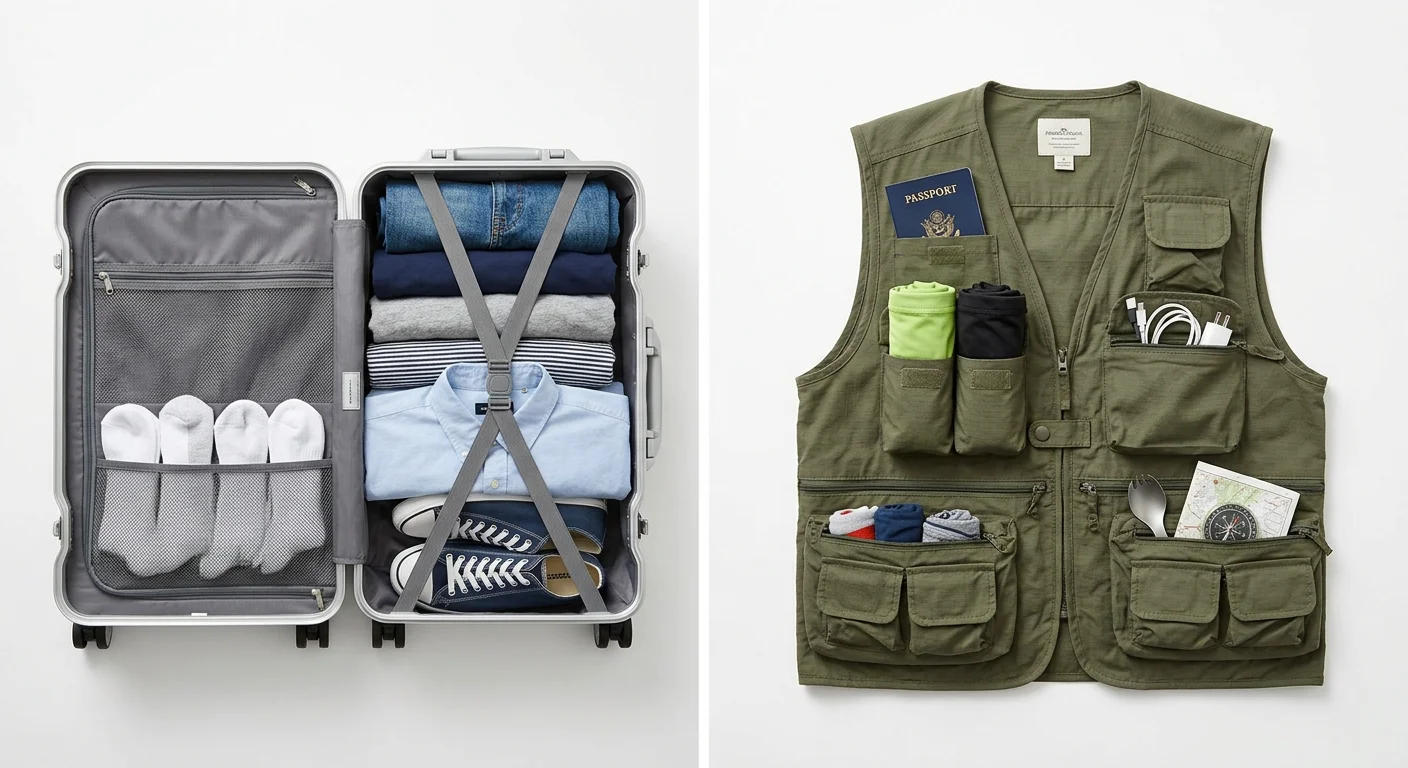
A vest and a carry-on solve the same problem. The approach, though, could not be more different. One is a structured box on wheels. The other is a network of small pouches stitched onto a shirt. Same destination. Opposite logic.
The numbers show the gap clearly:
Factor | Fishing Vest | Standard Carry-On |
|---|---|---|
Gate classification | Clothing (not counted) | Explicit baggage item |
Usable volume | ~5–15 L | 30–40 L |
One-time cost | £30–£185 | Varies |
Per-flight fee exposure | $0 | $30–$90+ (ULCC/basic economy) |
Load distribution | Shoulders and torso | Wheels or backpack harness |
In-seat access | Instant — reach into a pocket | Overhead bin, standing required |
Policy stability | Loophole-dependent | Accepted and standard |
That volume gap sits at 25–30% of a carry-on's capacity . That is the honest ceiling of what the vest strategy can deliver. It is not a replacement. It runs as a parallel system inside a legal gray zone airlines have not closed yet.
Think of it this way: the vest turns free clothing volume into cargo space . Airlines give every passenger the right to wear clothes. A 15-pocket vest at the gate converts that free allowance into 8–12 liters of extra cargo. Without the vest, that same cargo costs $30–$90 per flight to check or carry.
One real risk remains: the loophole is not permanent. Airlines already flag garments that look stuffed and stiff. Vest travel could grow large enough to cut into airline revenue. At that point, carriers — ultra-low-cost ones first — have a clear reason to reclassify loaded outerwear as an extra personal item. The cabin bag plays by rules everyone accepts. The vest is on borrowed time.
Conclusion
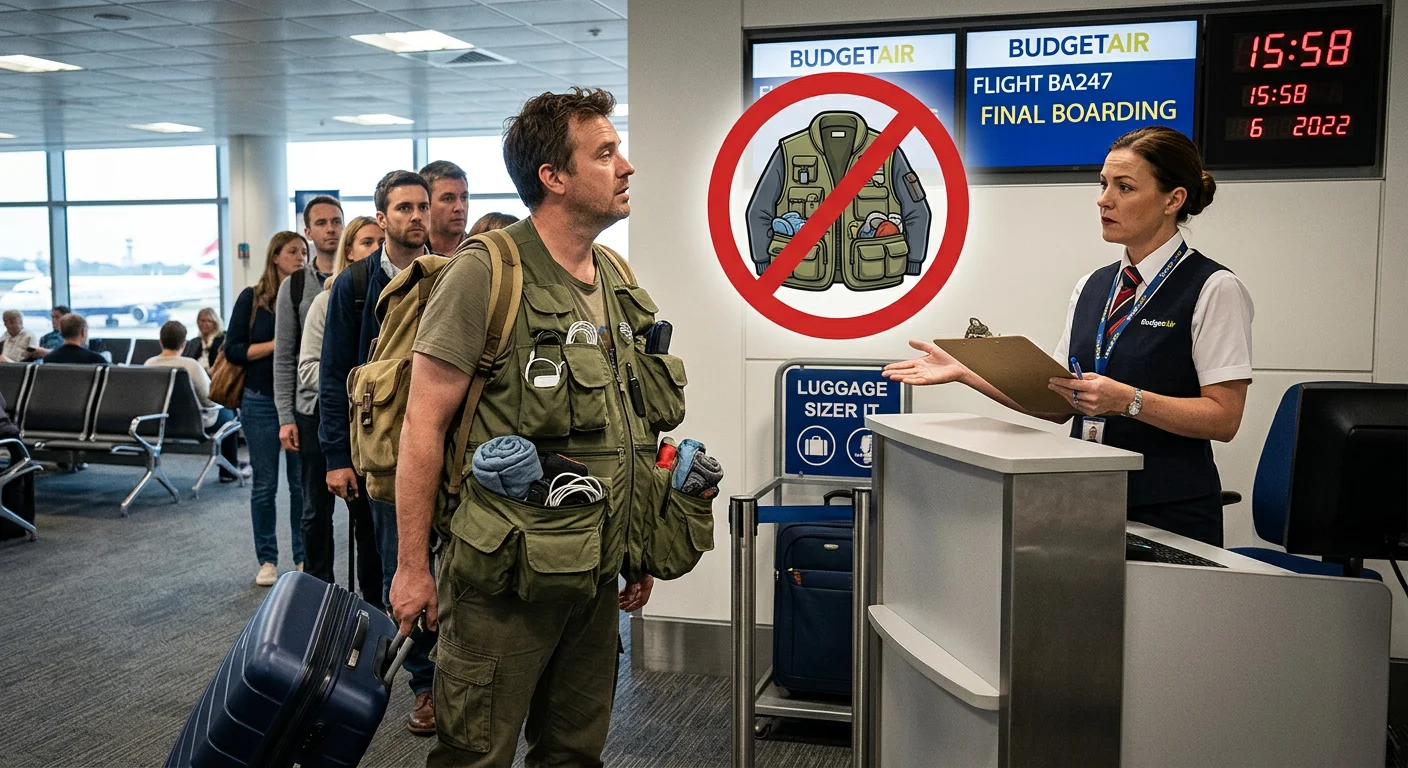
Can a fishing vest replace a carry-on bag for air travel? The short answer: sometimes it works great — and sometimes it fails completely.
It works when you pack light and fly domestic. You also need to be fine with looking like you're heading to a trout stream in Terminal B. But the plan falls apart fast. Go over ~20–25 liters of gear, run into a strict gate agent, or try to protect your laptop in a vest pocket — and you'll feel the difference.
This isn't a full replacement strategy. And while fishing vests are often available at a relatively low wholesale price of fishing vest, practicality matters far more than cost when choosing a travel setup.Think of it as an escape hatch — one that fits the right trip, the right airline, and the right packer.
So here's your real next step: don't dump your carry-on yet. Test the vest on a short weekend trip first. Load it up at home. Wear it around the block. Then ask yourself straight — is this comfortable, or am I just too deep into the idea to quit?
The best travel setup is simple. It's the one you can wear through a four-hour layover without losing your mind.