Finding women's fishing waders that fit shouldn't feel like a part-time job — but here we are. Most waders on the market were built around a male body, then quietly relabeled "unisex." That leaves women wrestling with gaping waistbands, awkward crotch length, and chest panels that hit in all the wrong places.For brands developing custom women's fishing waders, these fit issues are exactly where design starts — not where it ends.
Already bought a pair that bunched at your ankles more than it kept you dry? This guide is for you. Buying your first pair of women's waders and not sure where to start — breathable vs. neoprene, chest vs. hip, size Medium vs. size 10? You're in the right place too.
What follows is a real-fit, field-tested breakdown of the best fly fishing waders for women in 2026 — organized by the scenarios where fit matters most.
Best Women's Fishing Waders in 2026: Buyer's Guide
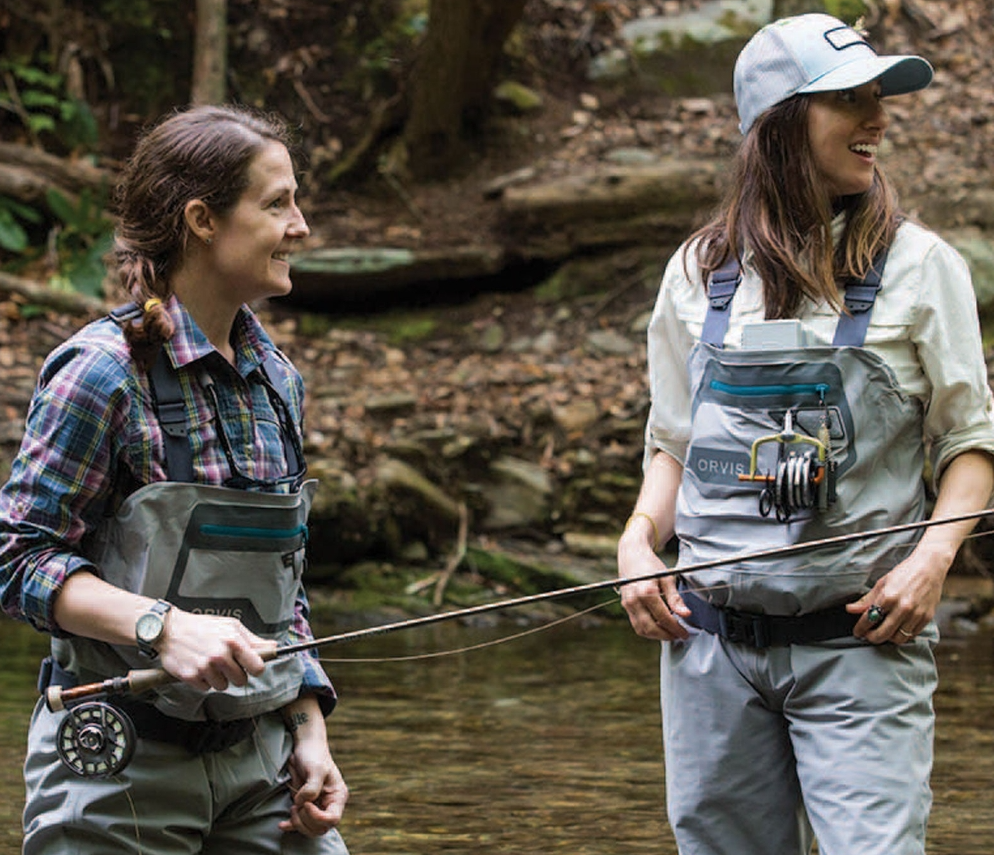
Forty-plus days of field testing — across Tennessee, Montana, Idaho, and British Columbia — brought this list down to four waders that work for women's bodies. No padding, no guesswork — the same evaluation standards used by women's fishing waders wholesalers when selecting scalable, low-return-rate products.
Award | Product | Price |
|---|---|---|
Best Overall | Patagonia Women's Swiftcurrent Expedition | $799 |
Best Fit | Miss Mayfly Moxie Wading Pant | $239 |
Best Value | Grundens Women's Bedrock Stockingfoot | $350 |
Most Comfortable | Orvis Women's Ultralight Waders | $379 |
Each pick had to pass three filters:
Hip-to-waist proportioning — does the cut match real women's frames, not a scaled-down men's pattern?
Inseam length — long enough for taller women, short enough for petite builds?
Layering room — can you fit thermals underneath? Not just claimed on a spec sheet, but confirmed in cold water.
Material matters too. Gore-Tex breathable waders lead the upper price tiers — and for good reason. You stay dry from the outside, and you don't overheat from the inside.
Pocket layout and zip-front access also split the field. Small details — but they’re exactly what experienced buyers look for when choosing the right women's fishing waders suppliers.
Pocket layout and zip-front access also split the field. The Simms G4Z and Grundens Boundary Zip stand out here. These details are what push a $239 pair past the return window — or send it back by Tuesday.
The sections ahead break each pick down by the exact scenario where it fits best.
Why Women's-Specific Waders Matter: Fit Problems with Men's and Unisex Models
Here's the uncomfortable truth: most waders labeled "unisex" are men's waders with a different tag — a gap that custom women's fishing waders manufacturers have spent years trying to correct through pattern redesign, not just resizing.
The cut is straighter. The shoulders are broader. The torso runs longer and roomier. That geometry works for a male frame. On a woman's body, it creates a string of fit failures. The waist gaps and won't cinch down. Fabric billows at the hips and thighs. The crotch length is built for a body that isn't yours.
That extra fabric isn't just annoying. It's a liability.
Loose material drags in current. It snags on submerged branches. It bunches between your legs with every step. Those friction points grind through the neoprene over time — turning a fit problem into a leak problem. Women who've worn men's inseam lengths describe the walk it forces as borrowing someone else's body. The fabric rubs. The blisters follow.
The inseam issue cuts both ways. Too long, and you're waddling through thigh-deep water with fabric folded against your knees. Too short, and your stride feels stiff, awkward, and draining.
Chest fit is the other pressure point. Men's waders don't account for breast volume or a narrower ribcage. Closures dig in. Folds bunch under layers. The rise sits in the wrong place entirely.
Women's-specific waders fix this with contoured waist suppression, wider hip panels, tapered legs, and adjustable straps built for varying torso lengths. That's not marketing language. It's the structural difference between waders that move with you and waders that fight you all day.
Women's Wader Types: Chest vs. Waist vs. Hip — Which Style Fits Your Fishing
The style you pick determines everything — something often refined through OEM/ODM women's fishing waders services where products are tailored for specific fishing environments and user profiles.Get it wrong and you're either soaked to the waist or sweating through a chest wader on a 70-degree June afternoon.
Three styles exist. Each one serves a purpose.
Chest Waders
These rise to your chest and stay there with suspenders. They're the workhorse option — built for deep river runs, cold water, and any situation where the bottom drops off without warning. The coverage is unmatched. The trade-off is bulk.
Go with chest waders for fly fishing fast-moving rivers or wading waist-deep pools. Depth unpredictable? These are your best bet. Cold weather makes them essential too. There's room to layer thermals underneath without squeezing out the insulation.
Waist-High Waders
Think waterproof pants. Coverage runs to your waist, held up by belt loops or suspenders. Your upper body breathes. That matters in late spring and early fall — temperatures can swing hard between morning and afternoon.
Pick waist waders for wading no deeper than mid-thigh. You get real mobility without committing to full chest coverage. They're a solid middle ground for lake fishing and moderate river conditions.
Hip Waders
These run from foot to upper thigh. Light, fast, and easy to pull off as you move between water and trail. Many models include reinforced knees — check for that feature on rocky terrain.
hip waders work best for shallow streams, ponds, and warm-weather spots where the water stays hip level or below. They're also the lowest-cost option. Less material means a lower price tag.
One sizing note: your wader coverage should reach 6–8 inches above your target waterline. That buffer is what keeps a stumble from turning into a disaster.
Material Guide: Breathable vs. Neoprene and What Keeps You Dry
Two materials dominate the wader market. One keeps you warm. One keeps you sane. Knowing which is which saves you from a miserable day on the water — or a very expensive return shipment.
Neoprene: Built for Cold, Not for Moving
Neoprene is synthetic rubber — the same material family as a wetsuit. The foam traps nitrogen bubbles inside. That trapped air creates insulation. The thicker the neoprene, the warmer you stay: 3mm handles mild cold, 5mm works for seriously cold water, 7mm is built for standing still in near-freezing conditions for hours.
The warmth is real. So is the trade-off.
Neoprene doesn't breathe. At all. Every bit of sweat your body produces stays on your skin. You stay waterproof from the outside and soaked from the inside. For stationary hunting or ice-cold duck blinds, that's a fair compromise. For active wading and fishing, it wears you down fast.
Breathable: The Three-Season Standard
Breathable waders — built on fabrics like Gore-Tex — run on a simple principle. Sweat vapor molecules are smaller than liquid water molecules. The membrane pushes vapor out and blocks liquid water from getting in. You stay dry from both directions.
That's a big deal. It's why breathable waders now cover 90%+ of fishing scenarios, from warm June afternoons to layered-up October river runs.
Lightweight waders for women in breathable fabrics move with your stride. No neoprene bulk pinching at your hips. No restricted knees mid-cast.
Which One Keeps You Dry?
Breathable | Neoprene | |
|---|---|---|
Warmth | Layer-dependent | Built-in insulation |
Sweat escape | ✓ Yes | ✗ None |
Weight | Light | Heavy |
Best season | 3-season (year-round with layers) | Cold water only |
Mobility | High | Restricted |
For most women fishing spring through fall, breathable waders win. Add merino wool socks in cool water and a base layer in cold water. That combo covers more conditions than neoprene handles across its full range.
Neoprene has one strong use case — extended cold-water exposure with minimal movement. Everything else, breathable takes it.
Women's Wader Sizing Guide: Cross-Brand Comparison by Height, Weight, and Hip Measurement
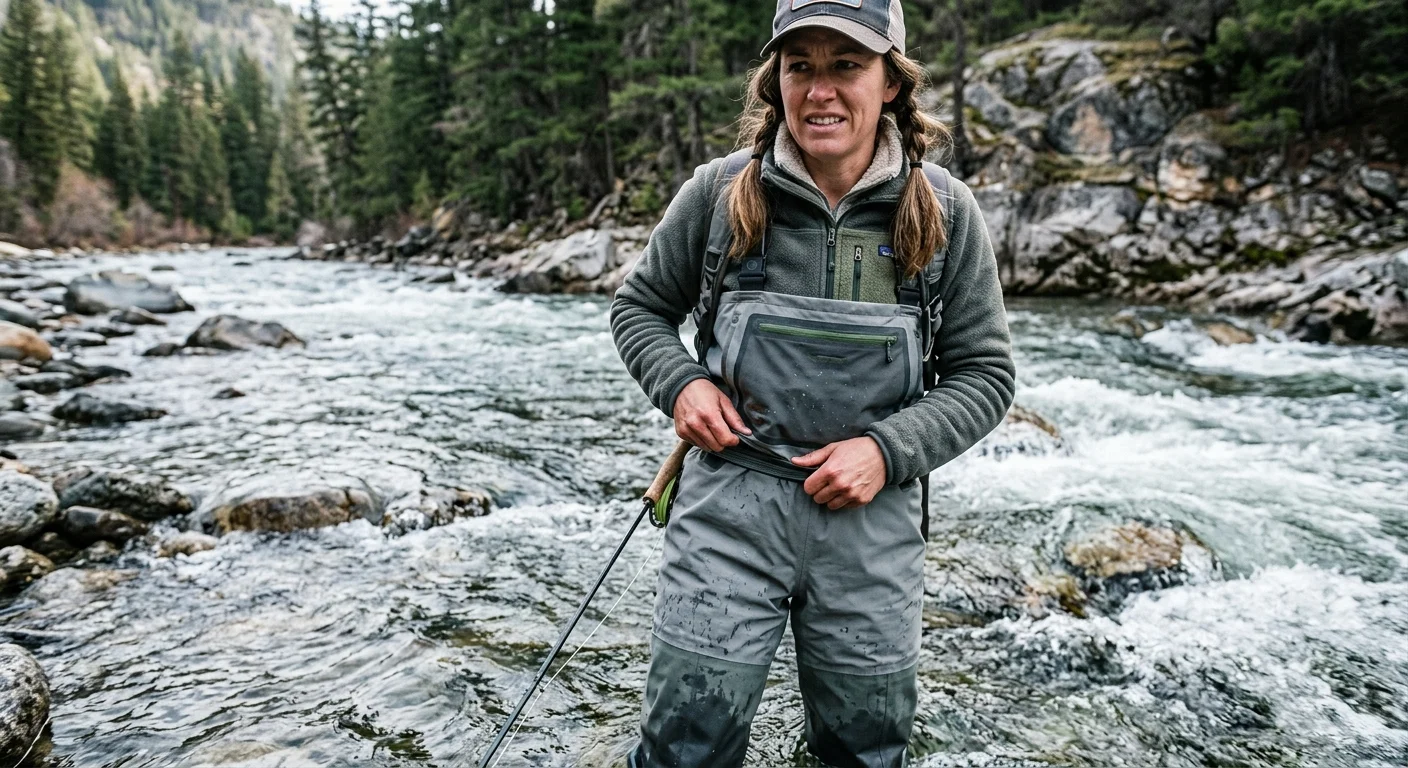
Most wader sizing charts were built without real women in mind. You've probably felt it — standing hip-deep in a river with your waistband riding up toward your ribcage.
Here's the fix: measure three numbers before you buy anything.
Hip circumference
Inseam length
Chest circumference
In that order of importance. Your hip measurement is the one that breaks most fits. Women's waders account for hip-to-waist differential, and each brand calculates that ratio its own way.
Grab a soft tape measure. Take your hip measurement at the fullest part of your seat — not your waist, not your hip bone. That number is your anchor.
How the Major Brands Size Differently
No two brands use the same size logic. Patagonia sizes by letter with a separate "Petite" cut. Redington splits their women's line into two distinct fits:
Willow — for straighter body profiles
Marilyn — for more pronounced hip-to-waist curves
So the same woman could be a different size depending on which Redington line she's shopping.
Patagonia Women's Sizing at a Glance
Size | Chest | Waist |
|---|---|---|
Petite | 32–33" | 25.5–26.5" |
X-Small | 34–35" | 27.5–28.5" |
Small | 36–37" | 29.5–30.5" |
Medium | 38.5–40" | 32.5–33.5" |
Large | 42" | 35.5" |
Redington Willow Fit (straighter cut)
Size | Bust | Hips | Inseam | Shoe |
|---|---|---|---|---|
S | 35–36" | 38–40" | 29–30" | 6–7 |
M | 37–38" | 40–42" | 30–31" | 7–8 |
M-Long | 37–38" | 40–42" | 32–34" | 9–10 |
L | 39–41" | 42–44" | 31–32" | 8–9 |
L-Long | 39–41" | 42–44" | 33–35" | 10–11 |
Redington Marilyn Fit (curvier cut)
Size | Bust | Hips | Inseam | Shoe |
|---|---|---|---|---|
6–8 | 39–40" | 39–40" | 29–30" | 6–7 |
8–10 | 40.5–41.5" | 41.5–42.5" | 30–31" | 7–8 |
8–10 Tall | 40.5–41.5" | 41.5–42.5" | 32–34" | 8–9 |
10–12 | 42–43" | 42–43" | 30–31" | 7–8 |
The Sizing Rule Nobody Puts on the Chart
Two sizes bracket your measurements? Size up on hips, not chest. A loose chest panel is easy to fix with suspender adjustments. A hip panel that's too narrow restricts your stride within the first 200 yards — and no adjustment fixes that mid-river.
Your hips run wider than your chest relative to standard sizing? Check if your hip measurement is more than 10" over your waist. The Redington Marilyn Fit is built for that exact ratio. Your proportions run straighter — closer to 8" or less hip-to-waist differential — the Willow Fit drapes cleaner through the thighs.
Inseam is the second variable most women get wrong.
Standard wader inseams run 30–31". Under 5'4"? That extra length folds at the knee and creates drag. Look for "Short" or "Petite" cuts. Redington's M-Short and XL-Short options run 30–32". They hold their shape on shorter frames without bunching.
One quick jeans-to-waders translation:
Size 8 jean → lands in a Redington M or Patagonia Small-Medium
Size 12 → maps to a Redington L or Patagonia Medium-Large
These aren't guaranteed — but they get you to the right row of the chart before you measure.
Best Waders for Petite Women (5'4" and Under) and Plus Size (16+)
The wader industry has a dirty little secret: "women's sizing" often means they shrunk the medium and called it a day. Petite women and plus-size women are an afterthought — and the market gap is wide enough to wade through.
That changes here.
For Petite Women (5'4" and Under)
The core problem isn't length. It's proportion collapse . A standard 30–31" inseam on a 5'3" frame doesn't just bunch at the ankle. It pulls the crotch seam downward, restricts your stride, and creates a fold of fabric at the knee that drags in current like a small anchor.
What to look for instead:
Inseam under 29" — non-negotiable. If the spec sheet doesn't list inseam, call the retailer.
Shortened torso rise — petite cuts should reduce the distance from crotch to shoulder strap, not just hem the legs.
Scaled boot sizing — Simms builds their women's booties around women's actual foot proportions. That matters for petite frames where standard sizing runs wide and loose.
Best picks for petite frames:
Orvis Women's Ultralight Waders ($379) come in a petite cut that fully redesigns the torso rise — not just a cropped leg. The chest panel sits lower. The straps cinch tighter. The hip-to-waist taper works on shorter frames without billowing through the seat. Orvis trims the petite option for comfort over coverage. You get less excess fabric fighting your movement at every step.
On a tighter budget? Redington's Short inseam options (the M-Short and XL-Short run 28–30") are the most reachable entry point for petite women under $200. The torso fit won't be as precise — but for a first pair, the inseam correction alone clears up the worst of the drag-and-bunch problem.
For Plus Size Women (Size 16+)
Size 16+ women don't just need more fabric. They need proportioned fabric — wider through the hips, longer through the rise, and strong enough at stress seams to hold up under real use.
Most brands stop at size 14 without much fanfare. A few don't.
Miss Mayfly ($239) has built their entire brand around women the fly fishing industry has ignored. Their Moxie Wading Pant extends into plus sizing with a hip-forward cut — wider seat, longer rise, and a waistband that accounts for a high hip-to-waist difference rather than gapping open at the back.
Simms women's-specific waders are worth a direct call for extended sizing. Simms designs around feminine proportions at every size. The hip panels and booties scale together. You're not cramming a size 16 body into a size 14 frame with a wider waistband tacked on.
Practical adjustment tips for plus-size fit:
1.Prioritize hip measurement above everything else. Hips at 46"+? Size to the hip. Then adjust the shoulder straps to compensate for a looser chest panel. Going the other way doesn't work.
2.Check the inseam-to-rise ratio. A wader long enough in the leg but too short in the rise will pull downward all day. That's more draining than wearing the wrong size altogether.
3.Reinforce stress seams on budget pairs. Pick up seam tape ($8 at any outdoor retailer). Apply it to inner thigh seams before the first wear. This extends the life of any wader that fits well everywhere except where your thighs meet.
The blunt summary: Petite women should filter first by inseam and torso rise — Orvis and Redington Short cuts are the clearest paths. Plus-size women should start with Miss Mayfly, then call Simms for extended availability. Neither group should settle for sizing down a men's model or buying two sizes up in a straight cut and hoping the extra fabric tucks somewhere useful. It won't.
Best Women's Waders by Budget
Price doesn't determine fit. But it does determine how much forgiveness you get when the fit isn't perfect.
Here's what each budget tier buys you — tested across real conditions, not pulled from a spec sheet.
Under $100: Get In the Water First
Frogg Toggs Hellbender Chest Waders ($89–99) are the right starting point for most women who aren't sure wading will stick. Lightweight, flexible, and built with enough structure to handle a real day on the water. For entry-level fly fishing in moving water, this is the pick.
Foxelli Chest Waders ($95) add an inner phone pocket and a better ergonomic cut. Small detail. Meaningful on a long day.
Hodgman Mackenzie Bootfoot ($65) is the floor. It gets you wet-proof. It doesn't get you much else.
At this price, you're buying access — not longevity. Seams will show stress within a season of regular use. Reinforce inner thigh seams with seam tape before your first wade. Eight dollars now saves you a replacement before fall.
$100–$300: Where Performance Starts Showing Up
The Orvis Clearwater Fishing Waders ($298) earned 40 days of field time across four states. They breathe well, fit women's builds without forcing it, and hold up at a price that won't hurt your wallet. For a first serious pair of breathable waders for women , this is the clearest decision in the guide.
The Frogg Toggs Hellbender also appears in this tier at $120. Same wader, better retailer pricing depending on where you shop. Find it under $130 and it's a solid steal for beginners.
$300–$800: The Gap Between Good and Excellent
Grundens Women's Bedrock Stockingfoot Wader ($350) is the value anchor at this level. Best dollar-per-performance ratio of everything tested.
Orvis Women's Ultralight Waders ($379) took the top comfort score. Fishing long days? Short frame that needs a trimmer torso rise? The Ultralight earns the extra $30 over the Bedrock.
Patagonia Women's Swiftcurrent Expedition Waders ($799) sit at the ceiling — and they earned it. Women-specific fit. Expedition-grade durability. This is the one pair in the guide that came back from 40-plus days without a single leak or seam complaint. Fish hard water all season and want one pair that lasts? This is the number.
The short version: Start with Frogg Toggs to test the hobby. Move to Orvis Clearwater once you're ready to commit. Jump to Patagonia for the last pair you'll need for a long time.
How to Make Your Women's Waders Last: Care and Maintenance
A $379 pair of waders treated right can outlast three seasons of hard use. The same pair neglected after a single saltwater trip? Done by fall.
Rinse after every session — no exceptions. Fresh water flushes out salt, fish slime, and oils. These break down your DWR layer from the outside in, and they do it faster than you'd expect.
Dry before storing. Hang them open in a ventilated space, out of direct sun. Inside and out. Give them a full 24 hours after any DWR reapplication.
Hand wash every 15–20 uses with a technical cleaner — Nikwax Tech Wash, Revivex, or STORM. Use cool water. Apply gentle pressure. Skip the machines, fabric softener, and dryer. One dryer cycle does more DWR damage than a full season of wading.
Restore DWR once water stops beading. Spray Gear Aid or Revivex onto damp fabric after washing. Air dry until bone dry.
Patch pinholes right away. A $12 repair kit takes 10 minutes. That's a much better deal than a soaked base layer mid-river in October.
Conclusion
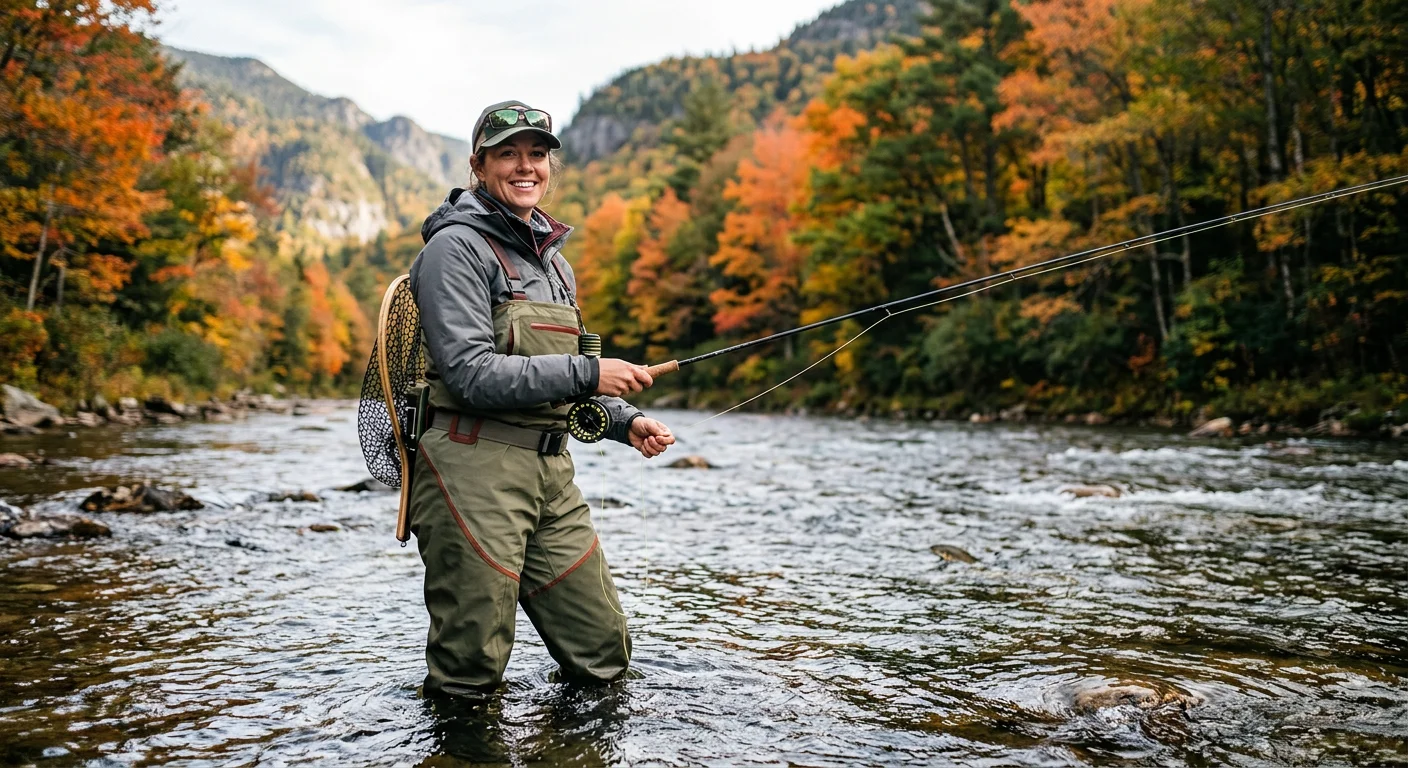
The right pair of women's waders shouldn't feel like a compromise. You shouldn't be stuck wearing gear that was never built for your body.
Here's what this guide comes down to: fit is everything. Not just comfort fit, but confidence fit . That means staying stable on slick rocks, staying warm in February runoff, and keeping your focus on the cast — not the gape at your waist. Petite and tired of rolling up inseams? There's a wader built for you. Plus-size angler who's been ignored by every "standard" sizing chart? There's one for you too. In 2026, the options are real — especially when working directly with custom women's fishing waders manufacturers who prioritize fit from the pattern stage.
Use the cross-brand sizing table. Match your hips, not your usual pants size. Then pick your budget tier and commit.
The best fishing of your life is waiting. It starts with gear that fits.