Dressing for a Canadian winter takes stubbornness. Dressing to fish through one? That's a whole different commitment. Punching holes in a frozen lake at dawn is brutal. Wading a half-iced river in late November is no joke either. The gear you wear isn't just about staying comfortable — it's about how long you stay out there.
The problem is simple. Most mainstream brands weren't built with Canadian anglers in mind.Whether you're shopping retail or researching custom fishing apparel for your own brand,
That's why we put together this guide to the top Canadian fishing apparel brands for cold weather anglers. These are four labels that get it — ice, wind, and the sheer grit it takes to keep casting long after everyone else has packed up and gone home.
1. Connec — Canadian-Designed Apparel Built for Variable Conditions
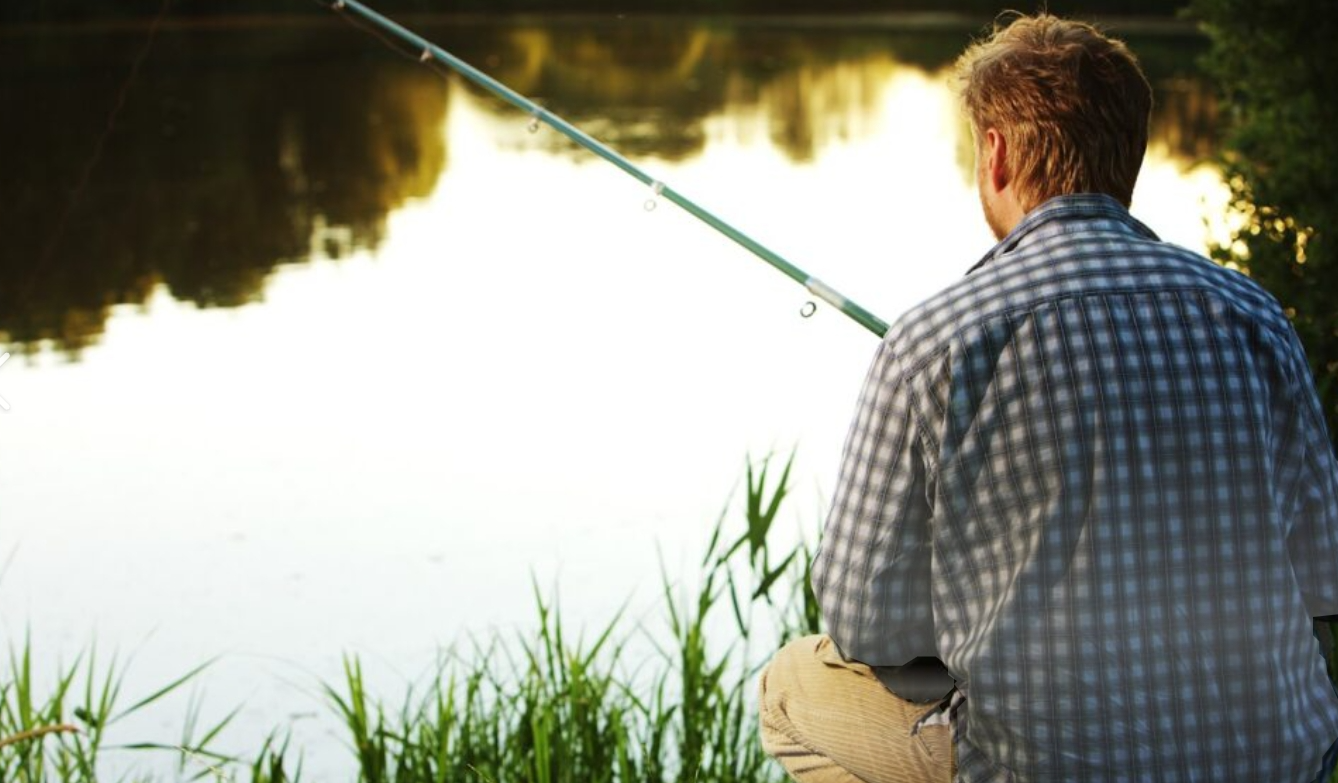
Quebec City is not known for mild winters. That's exactly why Connec Outdoors was built there.
Founded in 2018, Connec earned its place in the Canadian technical outdoor market by doing something most brands skip. They asked real hunters and anglers what they needed before designing a single seam. Their core principle — "put the outdoor person's needs at the front of the design process" — is simple to say. Living it means seven years of refining gear based on real feedback from real Canadian field use.
By 2025, the brand had captured 4% of Canada's technical hunting apparel market (Nielsen). For a seven-year-old independent label going up against established names, that's not a small number — that's real traction.Connec also demonstrates how a specialized fishing apparel manufacturer can develop products around real user feedback instead of simply adapting generic outdoor clothing for anglers.
A Layering System That Makes Sense
Connec stands out for cold-weather anglers because the system is complete. No gaps, no guessing. It covers the full range:
Base layer — lightweight moisture-wicking fabrics (150–220 g/m²) that pull sweat away before it chills you
Mid layer — insulating fleece or synthetic fill (200–300 g/m²), rated down to around -10°C for active movement
Barrier/shell layer — wind-resistant and water-repellent, built to handle static water pressure of 10,000–15,000 mm — enough for sustained wet snow and driving rain
The shell cut is worth calling out. Articulated sleeves and underarm gussets earn Connec a 4.8/5 mobility score on SAIL.ca . Reach for a rod tip or pivot for a cast — the jacket moves with you, not against you.
Who It's For
Connec was built around Quebec's forest deer and upland bird seasons. A morning starts at -8°C. By midday it's +6°C with rain. That's the environment this gear was made for. That same variable-condition logic carries straight into fishing:
Ice fishing (-15°C to -5°C): Full system layered — heavy base + fleece mid + windproof shell
Fall shore/stream angling (0–15°C): Light base + thin fleece + lightweight DWR shell
Lake fishing (5–20°C): Shell and soft mid layer only, splash resistance over insulation
Honest Pros and Cons
What works well:
- A complete layering system — you won't need to mix in pieces from other brands
- Mobility-first construction built for the demands of cold-weather fishing
- Local climate logic designed in from the start
Worth knowing:
- Manufacturing origin is not clearly disclosed. The brand is designed in Canada, but "Canadian brand" does not always mean "Made in Canada." Community forums have raised this point directly
- Pricing is close to Sitka territory. Shell jackets run around CAD 350–450 , mid layers CAD 180–300 , base layers CAD 70–110 . A full Connec system lands at CAD 500–850 depending on insulation weight
- Distribution is mostly through the Connec website and select retailers like SAIL. Try-before-you-buy is not always possible
The price tag is real. But buying one complete, cohesive system tends to cost less — in both money and frustration — than piecing together mismatched gear from three different brands across three different seasons.
2. Sportchief — Rooted in the Realities of Canadian Fishing
Some brands spend decades trying to earn the right to say they understand this country's outdoors. Sportchief has been doing it since 1946.
That's not a small thing. Many fishing apparel brands are still finding their footing. Sportchief has had close to 80 years to learn what Canadian anglers need. That means cool gray mornings on northern lakes. Sideways rain that hits without warning. The kind of wet-cold that seeps into bad gear within the first hour. SAIL puts it plainly: the brand is "rooted in the realities of fishing in this country." That's not marketing. It's an accurate description of what the gear is built around.
Built for Function, Not Fashion
Sportchief doesn't chase trends. The entire product focus stays on cold-weather and wet-weather fishing performance. You can feel that in the details.
A few features that stand out for serious cold-weather anglers:
Abrasion- and tear-resistant fabrics — the inside of a boat, the edge of a dock, and a rocky riverbank all put gear to the test. These fabrics hold up.
Waterproof zippers — you notice the difference at 7 a.m., when every other brand's zipper lets water in and this one doesn't.
Full waterproofing — not just water-resistant, not just DWR-coated. Sealed against sustained rain and spray.
Fishing-specific pocket layouts — hooks, pliers, and tackle go where they need to go. No digging through a general-purpose pocket built for hiking snacks.
The brand covers men, women, and children across hunting, fishing, and general outdoor use. Sizing and fit reflect real bodies doing real things outside — not an athletic silhouette built for a catalog photo.For businesses planning to launch similar cold-weather collections, these product features also provide useful benchmarks when evaluating OEM/ODM services for fishing apparel production.
Who It's For and What It Costs
Sportchief holds an interesting position in the Canadian market. It reads as functional and affordable compared to premium technical brands. But real buyer reports tell a more layered story. On Ontario OUT of DOORS forums, one buyer mentioned spending over CAD 1,000 on a parka, bibs, and matching pants set — and had no regrets. The thread made it clear: buyers see certain Sportchief pieces as high-quality, possibly Canadian-made, and worth the spend for serious cold-weather use.
At that price, full Sportchief cold-weather systems sit in insulated fishing bibs and thermal fishing jacket territory — right alongside other premium Canadian outdoor clothing brands. It's not a budget pick at that level. For an angler who plans to fish through a Canadian winter — not just around it — the durability and waterproofing specs make that price easier to justify.
Honest pros and cons:
What works:
- Close to eight decades of cold-climate product refinement
- Technical features built for on-water fishing conditions
- Available through SAIL and major Canadian outdoor retail channels — try-before-you-buy is a real option
Worth knowing:
- Fabric weight and insulation ratings aren't always listed upfront — ask in-store before you commit
- Full cold-weather systems can exceed CAD 1,000 , which may surprise buyers who expect "affordable" pricing across the board
- The brand leans functional over fashionable — you won't find gear that moves from the boat to the coffee shop
For anglers who want waterproof fishing clothing that holds up after a full season of hard use, Sportchief is one of the most credible names in the Canadian market. The track record speaks for itself.
3. Hooké — Where Fishing Culture Meets Outdoor Performance
Hooké started as a storytelling company. The jackets came later.
That's not a criticism — it's the whole point. This Quebec-based brand built its reputation through fishing films, river photography, and community stories. It did all that before selling a single shell layer. The gear is an extension of the culture, not the other way around. For a certain kind of angler, that distinction matters a great deal.
More Than a Label on a Jacket
The Pro Program shows you who Hooké is building for. It's not open to influencers with large followings. It's not a loyalty rewards scheme. Submit an application and you hear back within five business days. The one real requirement: you work in fishing, river guiding, or river-based adventure. Fly fishing guides, outdoor photographers, expedition leaders — those are the people this brand serves.
That focus shapes everything. The jacket cuts, the color palette, the whole aesthetic — earthy tones, vintage workwear silhouettes, the kind of thing that looks right in a campfire photo and on the water.It's also a good reminder that successful brands compete through positioning and community, not simply by offering the lowest prices through a Canadian fishing apparel wholesaler.
Cold Weather Coverage
Quebec winters are not gentle. River valleys at -10°C, wet snow, wind off the water — cold-weather performance isn't optional here. Hooké's layering system is built around a clear structure that serious cold-weather anglers will recognize:
Base layer — merino wool or synthetic, 150–200 g/m², moisture management as the first line of defense
Mid layer — mid-to-heavyweight fleece or light insulated jacket (250–350 g/m²), rated for active use down to around -5°C
Shell layer — waterproof-breathable construction, hydrostatic head ratings in the 10,000–20,000 mm range, built to handle driving sleet and spray
Ice fishing or deep winter wading calls for the full three-layer setup. Shoulder-season river fishing between 0–10°C works well with a fleece mid layer and a light shell. You keep your movement clean for casting and don't overheat.
Who It's For
Here's the honest breakdown. You're chasing the best technical specs at the lowest cost-per-warmth? There are brands with harder numbers and less focus on aesthetics. Hooké lands at 60–70% function, 30–40% lifestyle — a real gap from a pure technical label. That's not a flaw. It's a deliberate choice, and it serves a specific angler well.
You're a fly fishing guide who wants your team looking sharp on a five-day river trip. Or a fishing photographer whose gear shows up in every frame. Or someone who sees fishing as a way of life, not just a hobby. Hooké fits that mindset in a way most technical brands don't bother with.
Pricing and Where to Buy
Category | Price Range (CAD) |
|---|---|
Technical shell / insulated jacket | $250 – $450 |
Fleece / soft-shell mid layer | $120 – $220 |
Shirts and casual tops | $80 – $150 |
Hats, caps, accessories | $30 – $45 |
Hooké sells direct through hooke.com , with global shipping available. Canadian buyers can also find select pieces at Quebec outdoor retailers and fly fishing specialty shops. Pro Program members get professional discounts — in the 20–40% range for verified applicants.
Price-sensitive? The best times to buy are late spring, late fall, and Black Friday . Site-wide discounts during those windows can bring technical outerwear down to mid-tier price territory.
What works:
- Brand identity that connects beyond the gear — strong draw for guides, creators, and lifestyle-driven anglers
- Cold-weather layering system built for Quebec's demanding river and lake conditions
- Pro Program delivers real value for working professionals in the fishing industry
Worth knowing:
- The cultural angle means this isn't the brand for anglers focused on pure spec-sheet performance at minimum cost
- International buyers need to budget for shipping (around 10–20% of order value) plus any customs duties
- Try-before-you-buy options are limited outside Quebec — do your sizing research before placing an order
4. Whitewater Fishing — Purpose-Built Cold Weather Gear for Serious Anglers
There's a specific kind of cold on the Great Lakes in January. It's not just air temperature. It's wind-driven slush hitting your jacket at 7 a.m. while you drill your fourth hole of the morning. Whitewater Fishing built their cold-weather line around that moment.
The Great Lakes Pro Insulated Jacket and matching Bibs are not repurposed ski gear with a fish logo stitched on. They're a purpose-designed suit for hardwater and cold-water anglers who need real numbers behind their gear.
The Numbers That Matter
The Great Lakes Pro Jacket carries a 30,000 mm hydrostatic head rating . That means fully taped seams, 100% windproof construction, and a 3-layer ripstop nylon shell. For context: most fishing rain jackets sit at 10,000–20,000 mm. Thirty thousand is a different category. This jacket handles sustained wet snow, slush spray, and long exposure that breaks lesser gear by noon.
Breathability sits at 13,000 g/m²/24h — upper-middle range, tuned for cold-weather exertion. Hole-hopping, jigging, long walks across ice. You move, you sweat, the jacket manages it.
The shell is 4-way stretch nylon . That sounds like a small detail — until a stiff outer layer fights your casting arm all morning. This one won't. The bibs match the jacket spec point for point: same 30K waterproof rating, same windproof barrier, same stretch shell. You also get full-length side zips for venting and a high-rise cut that covers you bent over a hole.
Insulation runs on synthetic down-alternative fill (~80 g on the jacket, matched on the bibs). Synthetic matters here. Natural down loses its loft when wet. Synthetic holds it. On an ice sheet or a late-November lake, your gear will get damp. Synthetic fill keeps working anyway.While many buyers compare products primarily by wholesale price of fishing apparel, Whitewater Fishing shows that verified waterproof ratings, insulation performance, and cold-weather durability often provide much greater long-term value than choosing the cheapest option.
How to Layer It for Sub-Freezing Conditions
For serious cold — say, −10°C to −20°C — run a full three-layer system:
Base layer: Synthetic or merino (~200 g), top and bottom. This wicks sweat away before it chills you.
Mid layer: An insulated jacket (60–100 g synthetic fill) or heavy fleece on top. Insulated pants or heavier-weight base leggings on the bottom.
Outer: Great Lakes Pro Jacket and Bibs over everything. Open the side vents moving between spots. Close everything down once you're stationary.
The logic is simple. The jacket's 80 g shell insulation isn't designed to carry the full warmth load at extreme temps on its own. Your mid layer does the heavy thermal lifting. The outer layer blocks what the cold tries to push through.
Where It Sits Against the Competition
Brand | Waterproof | Breathability | Cold-Weather Design Focus |
|---|---|---|---|
Whitewater Great Lakes Pro | 30,000 mm | 13,000 g/m²/24h | Great Lakes / ice fishing, full suit |
Striker Ice (typical) | 5,000–10,000 mm | 5,000–10,000 g/m² | Strong insulation + flotation |
Simms cold-weather shell | 20,000–28,000 mm | 15,000–20,000 g/m² | Layering-oriented technical shells |
Aftco insulated jacket | 10,000–20,000 mm | Mid-range | Coastal rain + cold balance |
Whitewater's 30K rating is the headline differentiator. Simms pulls ahead on breathability for high-output technical fishing. Striker brings heavier insulation and flotation. What Whitewater delivers is a complete integrated suit — jacket and bib, matched specs, built for the Great Lakes hardwater environment. It's not a shell that started life as ski or hiking gear and got repurposed.
Pricing and Who It's For
Great Lakes Pro Insulated Jacket: ~USD $220–$300
Great Lakes Pro Insulated Bibs: ~USD $220–$280
Full jacket + bib system: ~USD $400–$550
Complete 3-layer system (add quality base and mid layers): ~USD $550–$800
That's a serious investment. It makes sense for one type of angler: someone fishing Great Lakes, northern reservoirs, or ice more than ten days a season, who needs proven barrier performance and doesn't want to rebuild their kit in year two. On a tighter budget? Start with the bibs. Pair them with a quality mid layer. You still get Whitewater's cold-weather shell performance on the days it counts most — without buying the full system upfront.
Brand Comparison at a Glance: Which One Is Right for You?
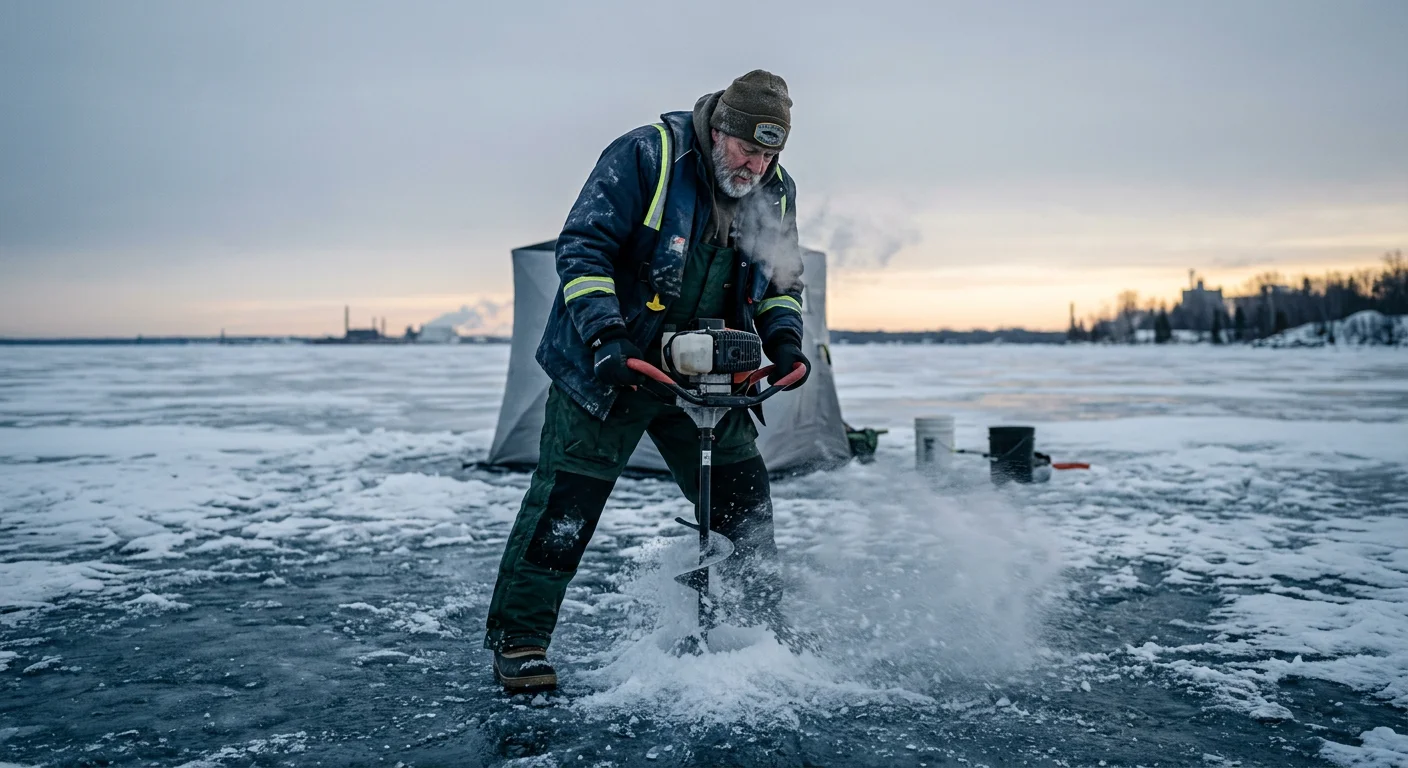
Four brands. Four very different answers to the same hard question: what do you wear at −15°C with six hours still ahead of you?
Here's the breakdown.
Brand | Best For | Cold-Weather Focus | Full Layering System? | Price Range (Outer Layer) |
|---|---|---|---|---|
Connec | Variable conditions, Quebec-style temperature swings | High — designed for −10°C active use | Yes — complete base/mid/shell system | CAD $350–450 (shell) |
Sportchief | Serious on-water fishing, multi-season durability | High — 80 years of cold-climate refinement | Yes — full cold-weather fishing system | CAD $400–600+ (shell/bib) |
Hooké | Fly fishing guides, lifestyle-driven anglers, river culture | High — built for Quebec river winters | Yes — merino/fleece/waterproof shell | CAD $250–450 (shell) |
Whitewater Fishing | Great Lakes ice fishing, hardwater conditions | Very high — 30,000 mm waterproof rating, purpose-built suit | Yes — matched jacket + bib system | USD $220–300 (jacket) |
Pick Your Scenario
You fish hard in extreme cold — think −20°C, wind off the ice, half a day on foot between spots.
Whitewater's Great Lakes Pro system was built for this. The 30,000 mm waterproof rating is not a marketing number. It's what separates gear that works from gear that quits by 10 a.m. Start with the bibs if budget is tight. Add the jacket when you're ready.
You fish year-round across shifting conditions — warm mornings, cold afternoons, rain that shows up without warning.
Connec's layering system was built for that kind of day. The articulated shell moves with you. The mid layer fills the temperature gap. You won't need to piece together gear from three different brands.
You want something that lasts a decade of serious use and holds up to every kind of wet.
Sportchief. Full stop. Eighty years of cold-climate product development is not a coincidence. A full system may push past CAD $1,000 — but buyers who've gone that route report zero regrets.
You're a guide, a river photographer, or someone who treats fishing as a way of life — not just a weekend hobby.
Hooké. The Pro Program exists for working professionals. The gear fits every context — on the water, at the fire, in the frame.
A Note on Budget
You don't have to buy everything at once. Every brand here works as a strong foundation. Start with the piece that covers your biggest gap. That's the outer layer for most people. Build the rest of the system around it over time.
A quality bib paired with a mid-weight fleece you already own will outperform a cheap three-piece set grabbed in a rush before the season opens.
The warmest gear is the gear you trust. That trust builds one season at a time.
Conclusion
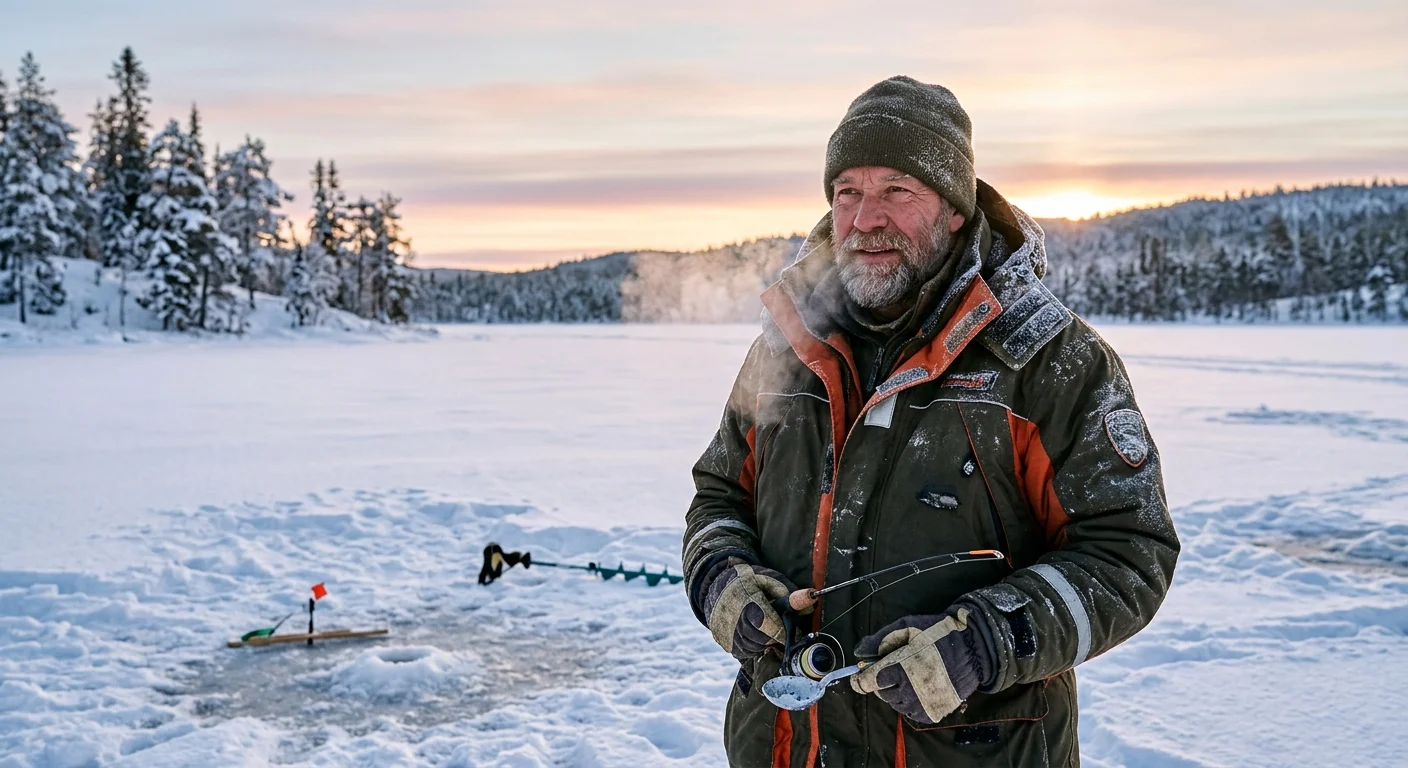
Cold weather doesn't have to mean sacrificing comfort. You shouldn't have to settle for gear that wasn't built for Canadian winters.
These four brands each bring something different to the table:
Connec — adaptable layering systems
Sportchief — tough, no-fuss durability
Hooké — a strong cultural identity
Whitewater — construction built with purpose
Big international names don't offer what these brands do. Each one carries a real understanding of what it means to fish in this country, in these conditions.
The right cold weather angling gear does more than keep you warm. It keeps you out on the water longer. You move without restriction. You come home having had a good time — not just survived the cold.
So take another look at the brands on this list before the temperature drops and the ice sets in. Your perfect layering system is out there. Chances are, someone designed it north of the 49th parallel.
Ready to gear up? Explore Canadian-made fishing wear built for real conditions at runfishapparel.com .